When small business owners explore SBA financing, one of the first questions they ask is: how much can I actually borrow? The answer varies more than most people expect. Average SBA loan sizes shift significantly depending on your industry, business type, loan program, and how long you have been in operation. This guide breaks down the data so you can walk into the application process with realistic expectations and a competitive edge.
Understanding average SBA loan sizes by business type is not just useful for planning - it also helps you benchmark your request against what lenders typically approve for businesses like yours. Whether you are a restaurant owner, a contractor, or a healthcare provider, knowing the numbers puts you in a stronger position.
Quick Fact: According to SBA data, the average SBA 7(a) loan in fiscal year 2023 was approximately $479,685 - but that number spans an enormous range from microloans under $50,000 to multi-million dollar approvals for large commercial projects.
In This Article
What Are SBA Loans?
SBA loans are small business financing products backed by the U.S. Small Business Administration. The SBA does not lend money directly to businesses. Instead, it provides a government guarantee on loans made by approved banks, credit unions, and non-bank lenders. That guarantee - typically covering 75 to 85 percent of the loan - reduces the lender's risk and makes it possible to extend larger amounts at lower rates to businesses that might not otherwise qualify for conventional financing.
The SBA's guarantee program is one of the most powerful financing tools available to American small businesses. Because the federal government backs a significant portion of the loan, participating lenders are more willing to approve borrowers with shorter credit histories, less collateral, or newer businesses. SBA loans also tend to carry longer repayment terms than conventional loans, which keeps monthly payments manageable and preserves working capital.
There are several major SBA loan programs, each designed for different business needs and funding amounts. The 7(a) program is the most widely used and covers a broad range of purposes including working capital, equipment, real estate, and debt refinancing. The 504 program focuses specifically on long-term fixed assets like commercial real estate and heavy machinery. The SBA Microloan program serves businesses that need smaller amounts - typically under $50,000 - and is administered through nonprofit intermediary lenders.
Explore Your SBA Loan Options Today
Crestmont Capital connects businesses with SBA and alternative financing options. Get matched with the right program in minutes.
Apply Now →Average SBA Loan Sizes by Program
The SBA offers multiple loan programs, and the typical funding amounts differ substantially between them. Here is what the data shows for each major program.
The SBA 7(a) loan is the flagship program and handles the widest variety of business needs. The maximum loan amount is $5 million. In fiscal year 2023, the SBA approved approximately 57,000 7(a) loans totaling over $27 billion. The average loan size was approximately $479,000. However, that average is skewed upward by large loans in manufacturing, commercial real estate, and healthcare. Most small businesses - particularly in service industries - borrow between $150,000 and $500,000 through this program.
The SBA 504 loan is structured specifically for major fixed-asset purchases. It involves two components: a bank loan covering approximately 50 percent of the project cost and an SBA-backed debenture covering 40 percent, with the borrower providing 10 percent as a down payment. The maximum SBA debenture is generally $5.5 million (or up to $16.5 million for energy-efficient manufacturing projects). The average 504 loan size tends to be significantly higher than 7(a) loans, typically falling in the $500,000 to $2.5 million range when both components are combined.
The SBA Microloan program provides loans of up to $50,000 through nonprofit intermediary lenders. The average microloan is approximately $14,000. These loans primarily serve startups, women-owned businesses, minority-owned businesses, and very small service businesses with minimal capital needs.
The SBA Express loan is a streamlined 7(a) variant with faster processing and a maximum loan amount of $500,000. Average Express loan sizes tend to be lower, typically between $100,000 and $250,000, because they attract borrowers who prioritize speed over maximum funding amounts.
| SBA Program | Max Loan Amount | Average Loan Size | Best For |
|---|---|---|---|
| SBA 7(a) | $5 million | ~$479,000 | Working capital, equipment, real estate |
| SBA 504 | $5.5M+ debenture | $700K - $2.5M combined | Commercial real estate, heavy equipment |
| SBA Microloan | $50,000 | ~$14,000 | Startups, very small businesses |
| SBA Express | $500,000 | $100K - $250K | Fast funding needs, revolving credit |
SBA Loan Sizes by Business Type
Industry plays a significant role in determining how much a business typically borrows through the SBA. Capital needs vary enormously across sectors, and so do lender expectations regarding what constitutes an appropriate loan amount.
Construction and Contracting
Construction businesses are among the largest SBA borrowers by average loan size. The capital requirements for equipment, bonding, materials, and crews are substantial. Average SBA 7(a) loans for construction and contracting businesses typically range from $350,000 to $1.5 million. General contractors and specialty trade contractors often borrow at the higher end of the spectrum when they are scaling operations, purchasing heavy equipment, or financing a large project's upfront costs. The SBA 504 program is also popular in this sector for real estate purchases such as warehouses and equipment yards.
Healthcare and Medical Practices
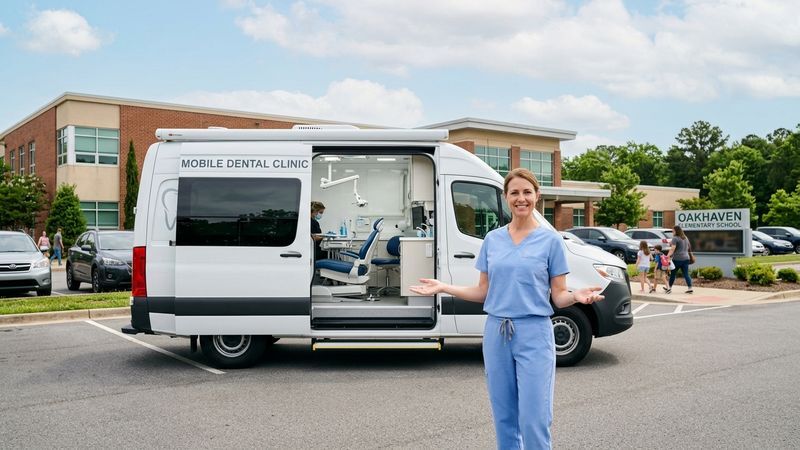
Healthcare is one of the strongest performing sectors in SBA lending. Medical practices, dental offices, veterinary clinics, and specialty care facilities frequently borrow through the 7(a) program to fund build-outs, equipment purchases, acquisitions, and working capital. Average SBA loan sizes for healthcare businesses range from $400,000 to $2 million. Specialty medical facilities and surgical centers tend to borrow on the higher end due to expensive specialized equipment. Dental practices typically see average loans between $300,000 and $800,000 for equipment purchases and practice acquisitions.
Restaurant and Food Service
The restaurant industry is one of the most active SBA borrowing sectors by volume, though average loan sizes are more modest than in healthcare or construction. SBA 7(a) loans for restaurants typically average between $150,000 and $500,000. Quick-service restaurants (QSRs) and fast casual concepts typically borrow at the lower end for equipment and leasehold improvements. Full-service restaurants and multi-location concepts can see loans reaching $750,000 or higher, particularly when real estate is involved through the 504 program.
Retail and E-commerce
Retail businesses generally borrow less through SBA programs than capital-intensive industries. Average SBA loan sizes for retailers fall between $100,000 and $400,000, with the most common use cases being inventory financing, leasehold improvements, and point-of-sale technology upgrades. E-commerce businesses tend to borrow toward the lower end of this range, primarily using SBA funds for inventory, marketing, and fulfillment infrastructure.
Manufacturing
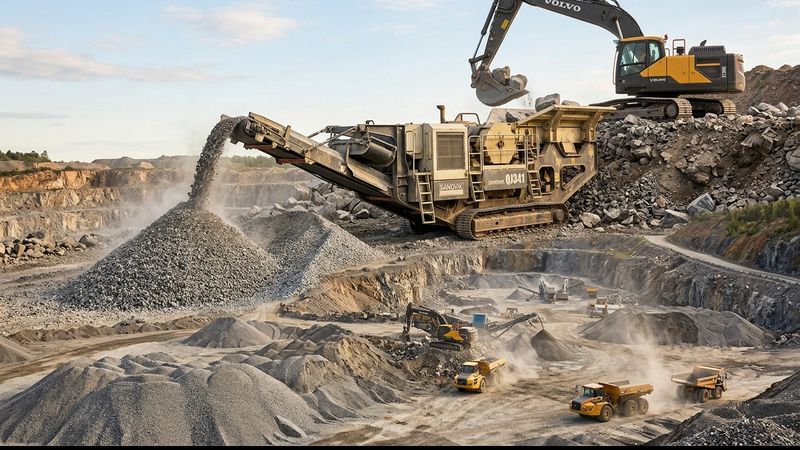
Manufacturing companies are among the largest SBA borrowers in absolute dollar terms. The sector requires significant capital for equipment, facilities, and raw materials. Average SBA 7(a) and 504 loans for manufacturers range from $500,000 to $3 million or more. Food and beverage manufacturers, metal fabricators, and plastics companies frequently utilize the 504 program for plant expansions and machinery acquisitions. Working capital loans in manufacturing tend to be larger as well, reflecting the extended cash conversion cycles typical in the sector.
Professional Services
Law firms, accounting practices, consulting firms, and marketing agencies represent a growing SBA borrower segment. Capital needs are generally lower than in equipment-intensive industries. Average SBA loan sizes for professional services firms fall between $75,000 and $350,000. Common uses include office buildouts, technology upgrades, acquisitions of competing practices, and working capital to bridge payment delays from clients.
Transportation and Logistics
Trucking companies, freight brokers, and logistics providers use SBA loans primarily to finance fleet expansion and equipment upgrades. Average SBA 7(a) loans for transportation businesses typically fall between $200,000 and $1.2 million. A single commercial truck can cost $150,000 to $200,000 new, so fleet expansion loans quickly accumulate into the high six figures. Larger logistics companies with warehouse facilities may combine 7(a) and 504 financing to cover both fleet and real estate simultaneously.
Service Businesses
Service businesses - including cleaning companies, landscaping firms, home repair contractors, and similar operations - tend to borrow at the lower end of the SBA spectrum. Average loan sizes for service businesses range from $75,000 to $350,000. Many service businesses leverage SBA financing for equipment, vehicles, marketing, and working capital to smooth seasonal revenue gaps. The SBA Express program is particularly popular in this segment due to its faster processing and lower documentation burden.
By the Numbers
SBA Loan Program - Key Statistics 2026
$5M
Maximum SBA 7(a) loan amount
57K+
SBA 7(a) loans approved in FY2023
$479K
Average 7(a) loan size in FY2023
$27B+
Total SBA 7(a) lending in FY2023

Factors That Influence SBA Loan Size
The average figures above represent broad industry patterns, but your specific loan amount will depend on a range of factors that lenders and the SBA evaluate as part of the underwriting process.
Revenue and Cash Flow
Lenders look at your business's revenue and cash flow first. SBA guidelines require that your loan payments be "covered" by your operating income, meaning your business must generate enough cash flow to service the new debt comfortably. As a general rule, lenders want to see that your annual net income or cash flow, after adding back depreciation and owner compensation, exceeds your projected debt service payments by a meaningful margin. Businesses with higher revenue and stronger cash flow can qualify for larger loan amounts.
Collateral Availability
The SBA requires lenders to take available collateral when approving loans above $25,000. This does not mean you need collateral to get a loan - the SBA explicitly states that loans should not be declined solely for lack of collateral - but it does affect your approval terms and the lender's comfort with larger amounts. Businesses with real estate, equipment, or other hard assets to pledge can often secure higher loan amounts at better terms.
Credit History
Both your personal credit score and your business credit profile matter. The SBA 7(a) program typically requires a minimum personal credit score in the 650 to 680 range, though many lenders prefer 700 or above. A strong credit history demonstrates responsible debt management and reduces perceived risk. Borrowers with excellent credit can often qualify for larger loans and are more likely to receive the SBA's preferred lender processing, which speeds up approval.
Time in Business
Most SBA lenders prefer businesses with at least two years of operating history. Newer businesses can still qualify - particularly through the SBA microloan program or with a strong business plan and experienced ownership team - but they typically access smaller amounts at tighter terms. Businesses with five or more years of consistent performance often qualify for maximum loan amounts and the most favorable terms available.
Purpose of the Loan
What you plan to use the funds for matters significantly. SBA loans for real estate acquisition or major equipment purchases tend to be larger because there is tangible collateral backing the loan. Loans for working capital or general business purposes tend to be smaller. Lenders also want to see that the loan purpose aligns with a clear business need - not personal expenses or speculative investments.
Not Sure Which Financing Option Fits?
Crestmont Capital's advisors will assess your business and identify the right loan type - SBA, equipment financing, or alternative lending - based on your actual numbers.
Get a Free Assessment →SBA Loans vs. Alternative Financing
SBA loans are powerful tools, but they are not always the fastest or most accessible option. Many businesses - especially those that need capital quickly or cannot meet the SBA's documentation requirements - turn to alternative lenders for funding. Understanding how SBA loans compare to these options helps you make the right decision for your situation.
The primary advantage of SBA loans is the combination of larger amounts and lower interest rates. SBA 7(a) loan interest rates are capped by the SBA and typically range from prime plus 2.75 to 4.75 percent depending on the loan amount and term. In 2025 and 2026, that has translated to rates generally in the 10 to 13 percent range. While that may sound high compared to conventional bank rates from a few years ago, it remains well below what most alternative lenders charge - which can run from 20 to 50 percent or higher for merchant cash advances and short-term loans.
The drawback of SBA loans is time and paperwork. The full application process for a 7(a) loan can take 30 to 90 days or longer, depending on the lender, your documentation completeness, and whether you qualify for expedited processing. For businesses that need funds in days rather than weeks, alternative financing is often a better fit. Crestmont Capital offers fast business loans and same-day business loans for businesses that cannot wait on the SBA timeline.
Alternative lenders can also approve businesses that the SBA might decline - newer businesses, lower credit scores, thin revenue history, or businesses in industries the SBA considers higher risk. Bad credit business loans from alternative lenders can fund businesses that do not meet SBA credit thresholds, while short-term business loans provide flexible capital with less paperwork and faster turnaround.
Pro Tip: Many businesses use SBA loans and alternative financing in combination. A short-term loan or business line of credit can cover immediate needs while you wait for a larger SBA loan to process. Crestmont Capital can help you structure both simultaneously.
Key SBA Lending Statistics for 2026
The SBA releases annual data on its lending programs that gives a clear picture of how borrowing activity breaks down across sectors and demographics. Here are the most relevant statistics for business owners considering SBA financing in 2026.
According to SBA.gov, the 7(a) program approved over $27 billion in loans in fiscal year 2023 - the most recent full-year data available. California, Texas, Florida, and New York consistently rank as the states with the highest SBA loan volume. Together these four states account for roughly 35 to 40 percent of all SBA 7(a) lending nationally.
By borrower revenue size, businesses with annual revenues between $500,000 and $5 million represent the largest share of SBA borrowers. This makes sense: these are businesses that have moved beyond the startup phase but have not yet scaled to the point where conventional bank financing becomes freely available. They also have enough operating history to qualify for the SBA's documentation requirements and enough revenue to demonstrate debt repayment capacity.
The industries with the highest volume of SBA approvals consistently include accommodation and food services, healthcare, professional services, and construction. According to data published by the U.S. Census Bureau, these four sectors collectively account for nearly half of all SBA-backed loan activity when measured by number of approved loans rather than dollar volume.
SBA loan default rates are significantly lower than those for alternative lending products. The historical default rate for SBA 7(a) loans runs approximately 2 to 4 percent in normal economic conditions, according to reporting from Reuters. This reflects the rigorous underwriting process and the fact that SBA borrowers tend to be established businesses with demonstrable repayment capacity.
How Crestmont Capital Helps
Crestmont Capital is a direct business lender rated number one in the country. We work with small business owners across every industry to identify the right financing product for their specific situation - whether that is an SBA loan, equipment financing, a business line of credit, or a working capital loan that funds faster than the SBA process allows.
Our advisors understand the nuances of SBA lending by industry and can help you determine whether your business is positioned for a strong SBA application or whether alternative financing will better serve your current needs. We also understand that many businesses need capital in both the short and long term, and we can structure solutions that address both timeframes simultaneously.
For businesses that want to pursue SBA financing, we help prepare applications that are complete, accurate, and positioned for approval. For businesses that need faster funding, we offer direct lending products including small business loans, long-term business loans, and SBA loan guidance that moves on your timeline, not the SBA's.
We also have deep expertise in industry-specific financing. Whether you operate in healthcare, construction, food service, transportation, or retail, our team understands the capital needs of your industry and can match you with financing options sized appropriately for your business type and growth stage.
Real-World Scenarios
Scenario 1: Restaurant Owner Expanding to a Second Location
A full-service restaurant in Nashville with $1.2 million in annual revenue wants to open a second location. The buildout and equipment costs are estimated at $450,000. The owner has been in business for four years, has a 710 personal credit score, and the restaurant is profitable. This borrower is a strong candidate for a SBA 7(a) loan in the $400,000 to $450,000 range - close to or at the industry average for food service. Timeline: approximately 45 to 60 days for approval and funding.
Scenario 2: HVAC Contractor Purchasing New Fleet Vehicles and Equipment
A residential HVAC company in Phoenix with $2.8 million in revenue needs $600,000 to add three new service trucks and updated HVAC equipment. The owner has six years in business and solid credit. This falls within the average SBA loan range for construction and trades businesses. A 7(a) loan at this amount would carry a 10-year term, keeping monthly payments affordable while preserving cash flow.
Scenario 3: Medical Practice Acquiring a Competing Practice
A family medicine practice in Atlanta with $1.5 million in revenue is acquiring a competing practice for $950,000. The acquisition includes patient goodwill, equipment, and a lease assignment. Healthcare practice acquisitions are among the most common SBA loan use cases, and $950,000 is well within the average range for this industry. SBA lenders are familiar with medical practice acquisitions and often have streamlined processes for these transactions.
Scenario 4: Manufacturing Company Expanding Production Capacity
A metal fabrication company in Ohio needs $1.8 million to purchase a new CNC machining center and expand its production floor. The company has $4.5 million in revenue, strong margins, and has been operating for 12 years. This is a textbook SBA 504 scenario: a large fixed-asset purchase by an established manufacturer. The SBA 504 structure would apply a bank loan of approximately $900,000, an SBA debenture of $720,000, and a 10 percent borrower equity contribution of $180,000.
Scenario 5: Service Business Bridging a Cash Flow Gap
A commercial cleaning company with $800,000 in annual revenue needs $125,000 to cover payroll and supplies during a slow season before a major contract payment arrives in 90 days. The SBA is not the right tool here - the timeline is too slow and the documentation burden too high for a short-term need. An alternative working capital loan from Crestmont Capital would fund within days and can be structured with flexible repayment aligned to the incoming contract payment.
Scenario 6: Retail Boutique Financing Inventory Expansion
A specialty retail boutique in Denver with $650,000 in annual revenue needs $90,000 to stock up for the holiday season. This amount is below the SBA's sweet spot for 7(a) loans and would fit better in the microloan program or as an alternative short-term loan. The SBA Express loan - with its faster processing - could work, but an alternative lender can fund this amount in 24 to 48 hours without the SBA's documentation requirements.
Frequently Asked Questions
What is the average SBA loan amount for a small business?
The average SBA 7(a) loan was approximately $479,685 in fiscal year 2023. However, this figure varies significantly by industry and loan purpose. Microloans average around $14,000, SBA Express loans typically range from $100,000 to $250,000, and SBA 504 loans for real estate and equipment can range from $500,000 to several million dollars.
Which industry borrows the most through the SBA?
By loan volume, accommodation and food services (restaurants and hotels) consistently rank among the top SBA borrowing sectors. By total dollar amount, manufacturing, healthcare, and commercial real estate represent the largest segments due to their higher average loan sizes.
What credit score do I need for an SBA loan?
Most SBA lenders require a minimum personal credit score of 650 to 680. Many preferred lenders look for 700 or higher to qualify for the best terms and to access SBA's preferred lender program (PLP), which allows faster processing. Your business credit profile also matters, though personal credit carries more weight for smaller loans.
How long does it take to get an SBA loan?
Traditional SBA 7(a) loans take 30 to 90 days or more from application to funding, depending on the lender and completeness of your documentation. SBA Express loans can be processed in 36 hours for lender approval, though funding still takes additional time. If you need capital in days rather than weeks, alternative business loans may be a better fit.
What is the maximum SBA loan amount I can borrow?
The maximum SBA 7(a) loan amount is $5 million. The SBA 504 loan can exceed this for certain projects, with the SBA debenture component reaching $5.5 million or up to $16.5 million for qualified manufacturing and energy projects. The SBA Express loan cap is $500,000, and SBA microloans max out at $50,000.
Can a startup get an SBA loan?
Yes, startups can qualify for SBA loans, but it is more challenging and loan amounts will typically be lower. The SBA microloan program is most accessible for startups. For larger SBA 7(a) loans, lenders strongly prefer at least two years of operating history. Startups can improve their chances by having strong personal credit, relevant industry experience, a detailed business plan, and meaningful equity contribution.
What is the difference between an SBA 7(a) and SBA 504 loan?
The SBA 7(a) is a general-purpose loan used for working capital, equipment, real estate, acquisitions, and debt refinancing. The SBA 504 is structured specifically for major fixed-asset purchases - primarily commercial real estate and large equipment - and involves a two-lender structure with the SBA backing 40 percent of the project through a certified development company. The 504 typically offers lower fixed rates on the SBA portion but is more restrictive in use.
Do SBA loans require collateral?
The SBA requires lenders to obtain available collateral for loans above $25,000, but it does not require lenders to decline loans solely because collateral is insufficient. Lenders will take what is available - equipment, real estate, accounts receivable - but the lack of collateral alone should not prevent approval if your cash flow and credit are strong. Personal guarantees from owners with 20 percent or more ownership are typically required.
What documents do I need for an SBA loan application?
A standard SBA 7(a) application requires business and personal tax returns for the past two to three years, current business financial statements (profit and loss, balance sheet), a business plan or loan purpose statement, business licenses and formation documents, and personal financial statements for all owners with 20 percent or more ownership. Some lenders also require bank statements, a business debt schedule, and a business valuation for acquisition loans.
Are SBA loan interest rates fixed or variable?
SBA 7(a) loans can be fixed or variable. Variable rate 7(a) loans are tied to the prime rate plus a margin set by the lender within SBA guidelines. Fixed rate 7(a) loans are more common for smaller amounts and shorter terms. SBA 504 loans offer a fixed interest rate on the SBA debenture portion, which is one of the program's most attractive features for long-term real estate and equipment financing.
What are the typical repayment terms for SBA loans?
Repayment terms depend on loan purpose. SBA 7(a) loans for real estate can extend up to 25 years. Equipment loans carry terms up to 10 years. Working capital loans are typically 5 to 7 years. SBA 504 loans offer 10, 20, or 25-year terms on the SBA debenture portion. Longer terms mean lower monthly payments, which is one of the primary advantages of SBA financing over short-term alternative loans.
Can I use an SBA loan to buy a business?
Yes. Business acquisitions are one of the most common uses of SBA 7(a) loans. The SBA funds full acquisitions, partial buyouts, and partner buyouts. For acquisitions, lenders typically require a business valuation, three years of the target business's financials, a purchase agreement, and evidence that the acquisition will generate sufficient cash flow to service the debt.
What happens if I default on an SBA loan?
If you default on an SBA loan, the lender first pursues available collateral and personal guarantors. The SBA then reimburses the lender for the guaranteed portion and takes over collection. This can result in seizure of business and personal assets, damage to personal credit, and potential legal judgment. If you are struggling to make payments, contact your lender immediately - many offer deferment or modification programs before a default occurs.
How does my industry affect my SBA loan terms?
Industry affects both the amount you can borrow and the terms you receive. Capital-intensive industries like manufacturing, healthcare, and construction typically qualify for larger amounts because the assets being purchased serve as collateral and the businesses generate strong cash flow. Higher-risk industries - hospitality, entertainment, cannabis - may face more scrutiny or reduced loan amounts. The SBA also maintains a list of ineligible businesses that cannot participate in SBA programs at all, including speculative real estate ventures and businesses earning revenue primarily from passive activities.
Is there an alternative to the SBA if I need faster funding?
Yes. Alternative lenders like Crestmont Capital offer small business loans, lines of credit, equipment financing, and working capital loans that fund in as little as 24 to 48 hours. While interest rates are typically higher than SBA loans, alternative lenders have more flexible credit requirements, less documentation, and dramatically faster turnaround. Many businesses use alternative financing for immediate needs and pursue SBA loans for larger, long-term capital needs simultaneously.
How to Get Started
Complete our quick application at offers.crestmontcapital.com/apply-now - takes just a few minutes.
A Crestmont Capital advisor will review your needs, assess your qualifications, and identify the right financing option - SBA, alternative, or a combination of both.
Receive your funds and put them to work - whether you need capital for equipment, expansion, acquisition, or working capital, Crestmont delivers.
Conclusion
Average SBA loan sizes by business type vary dramatically based on your industry, capital needs, and how the loan will be used. Restaurant businesses typically borrow $150,000 to $500,000. Healthcare practices often see approvals between $400,000 and $2 million. Manufacturing companies can access $500,000 to $3 million or more for major equipment and facility needs. Service businesses generally borrow at the lower end of the spectrum, typically $75,000 to $350,000.
What matters most is not matching the industry average exactly but presenting a loan request that is sized appropriately for your specific business, backed by solid financials, and aligned with a clear plan for how the capital will create return. The SBA loan programs are powerful tools when used correctly. Understanding the typical loan sizes for your business type gives you a realistic starting point - and a benchmark against which to measure your own application.
If you are ready to explore your SBA or alternative financing options, Crestmont Capital is here to help. We work with businesses across every industry to structure financing that fits both your needs and your budget. Reach out today and let us help you find the capital to grow.
Disclaimer: The information provided in this article is for general educational purposes only and is not financial, legal, or tax advice. Funding terms, qualifications, and product availability may vary and are subject to change without notice. Crestmont Capital does not guarantee approval, rates, or specific outcomes. For personalized information about your business funding options, contact our team directly.