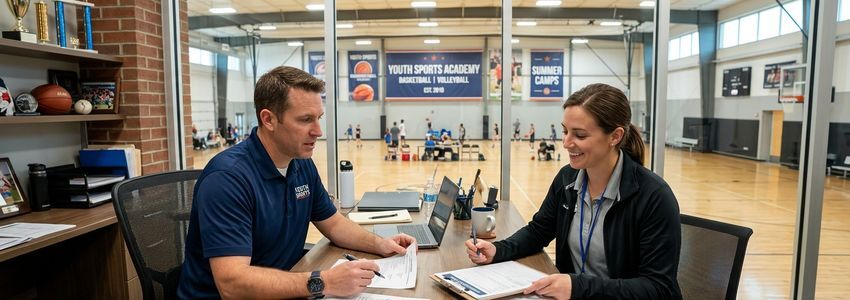
Running a youth sports organization is rewarding work - but it comes with real operational costs that don't pause between seasons. Whether you operate a multi-sport training academy, a youth lacrosse league, a gymnastics club, or a baseball development program, you need reliable capital to hire qualified coaches, purchase equipment, rent or build out facility space, and market your programs to local families. A youth sports business loan gives you the financial flexibility to fund these needs without draining your cash reserves or sacrificing program quality.
This guide covers everything youth athletic program owners need to know about securing the right financing - from loan types and qualification requirements to real-world use cases and how Crestmont Capital can help you get funded quickly.
In This Article
- What Is a Youth Sports Business Loan?
- Key Benefits of Youth Sports Financing
- How Youth Sports Business Loans Work
- Types of Financing for Youth Athletic Programs
- What Can You Finance?
- Who Qualifies for a Youth Sports Business Loan?
- How Crestmont Capital Helps Youth Sports Businesses
- Real-World Financing Scenarios
- Comparing Your Financing Options
- Frequently Asked Questions
- How to Get Started
What Is a Youth Sports Business Loan?
A youth sports business loan is a form of commercial financing specifically used by businesses that provide athletic training, coaching, or organized sports programs to children and teenagers. These include organizations like travel baseball academies, youth soccer clubs, private gymnastics training centers, swim schools, basketball training programs, youth wrestling clubs, lacrosse leagues, and multi-sport youth development facilities.
Like any small business loan, youth sports financing provides capital that owners can deploy across their core operational needs - payroll, equipment, facility costs, insurance, and marketing. The difference is that lenders familiar with sports businesses understand the seasonal revenue patterns, program enrollment cycles, and specialized equipment requirements that define this industry.
Youth sports is a massive market in the United States. According to the Small Business Administration, access to working capital is consistently ranked as one of the top growth challenges for small businesses across every industry - and youth sports programs are no exception. Enrollment fees cover ongoing costs, but capital investment for expansion, new equipment, or facility improvements almost always requires outside financing.
Industry Snapshot: The U.S. youth sports industry generates an estimated $19 billion annually, with families spending an average of $883 per child per year on youth sports participation, according to industry research. Demand for organized youth athletic programming continues to grow - and well-funded programs consistently outperform undercapitalized ones in enrollment, retention, and reputation.
Key Benefits of Youth Sports Financing
Access to reliable capital transforms how youth sports businesses operate. Rather than waiting months to save up enough to replace aging equipment or add a new program, financing lets you move decisively and invest in growth when the timing is right.
Here are the primary benefits youth sports business owners gain from the right financing:
- Expand program offerings: Add new sports, age groups, or skill-level tracks without waiting for enrollment revenue to accumulate
- Upgrade or replace equipment: Field equipment, training gear, protective pads, and specialty apparatus depreciate quickly - financing lets you maintain professional-grade quality
- Hire and retain qualified coaches: Competitive coaches expect competitive pay - working capital loans help you build and keep a strong coaching staff
- Manage seasonal cash flow gaps: Many programs run hot during fall and spring seasons but slow in summer or winter - financing bridges the gap
- Invest in facility improvements: Better practice spaces, upgraded lighting, new turf, or climate control improvements all drive enrollment and retention
- Fund tournament travel and logistics: Travel teams need buses, hotel blocks, entry fees, and uniforms - capital lets you commit early and negotiate better rates
- Market to new families: Digital advertising, local sponsorships, and community outreach campaigns build enrollment - and they cost money upfront
Ready to Fund Your Youth Sports Program?
Crestmont Capital offers fast, flexible financing designed for athletic program owners. No obligation - apply in minutes.
Apply Now →How Youth Sports Business Loans Work
Youth sports business loans function like most commercial small business loans - you apply, provide documentation about your business, get approved, receive funds, and repay over a set term with interest. The specific mechanics depend on the loan type you choose, your revenue profile, and how quickly you need capital.
Most lenders evaluate youth sports businesses based on monthly revenue, time in business, and creditworthiness. Alternative lenders like Crestmont Capital also factor in the overall health and trajectory of the business - not just raw credit scores - which is important for programs that have strong enrollment but may carry seasonal revenue dips or have less than two years of operating history.
Repayment is typically structured as fixed monthly payments or, in the case of revenue-based financing, a percentage of monthly revenue. The right structure depends on your cash flow patterns.
Quick Guide
How Youth Sports Business Financing Works - At a Glance
Submit a brief application with basic business info - no lengthy paperwork or in-person meetings required.
A Crestmont Capital advisor reviews your program's revenue and goals to recommend the best loan type and terms.
Review your offer with clear terms - loan amount, rate, and repayment schedule - no hidden fees or surprises.
Funds arrive in your business account - often within 24 to 48 hours of approval. Deploy capital immediately.
Types of Financing Available for Youth Athletic Programs
There is no single "youth sports business loan" product - the term refers to several financing structures that can all be applied to running or growing a youth athletic program. The best option depends on how much you need, how quickly you need it, and how your program generates revenue.
Term Loans
A term loan provides a lump sum of capital repaid over a fixed period - typically 12 to 60 months. This works well for large, defined purchases like facility renovations, sports flooring, scoreboard systems, or major equipment investments where you know exactly how much you need. Interest rates are generally lower than short-term alternatives, and fixed payments make budgeting straightforward.
Business Line of Credit
A business line of credit is a revolving credit facility that you draw from as needed and repay continuously. This is ideal for youth sports programs that face variable costs - you only pay interest on what you actually use. A line of credit is particularly useful for covering payroll during the off-season, prepaying facility deposits, or handling emergency equipment repairs without disrupting cash flow.
SBA Loans
SBA loans are government-backed loans with competitive interest rates and longer repayment terms - up to 10 years for working capital and up to 25 years for real estate. The SBA 7(a) loan program is particularly well-suited for youth sports businesses that want to finance facility construction or purchase, major equipment, or long-term growth initiatives. The tradeoff is that the approval process takes longer than alternative lending - often 60 to 90 days.
Equipment Financing
Equipment financing lets you acquire sports equipment, training tools, and facility gear while preserving cash. The equipment itself typically serves as collateral, which makes these loans easier to qualify for than unsecured loans. Youth sports businesses can use equipment loans to finance everything from pitching machines and agility ladders to gymnastics apparatus, scoreboard systems, and timing equipment.
Working Capital Loans
Working capital loans provide short-term capital for operational expenses - payroll, supplies, utility bills, insurance premiums, and day-to-day costs. These loans typically have shorter terms (6 to 18 months) and faster approval timelines. For youth sports programs that need a quick cash injection between enrollment seasons, working capital financing is often the fastest path to funding.
Revenue-Based Financing
Revenue-based financing lets you borrow against your program's future revenue. Repayment is structured as a percentage of monthly income rather than fixed payments - which means lower payments during slower months and higher payments when enrollment is strong. This flexibility makes it well-suited for youth sports programs with predictable seasonal cycles.
Pro Tip: Many youth sports businesses use a combination of loan types - for example, a term loan for a major facility upgrade paired with a line of credit for seasonal working capital. Crestmont Capital's advisors can help you structure financing that aligns with your program's revenue timing and growth goals.
What Can You Finance with a Youth Sports Business Loan?
Youth sports programs have significant and diverse capital needs. Here is a breakdown of what business owners commonly finance:
Athletic Equipment and Training Gear
Youth athletic programs need a continuous supply of quality equipment - helmets, pads, balls, bats, nets, goals, resistance bands, agility equipment, and more. Equipment wears out, gets lost, or becomes outdated as youth programs grow. Financing allows programs to maintain professional-grade equipment without depleting operating cash.
Facility Construction, Renovation, and Leasehold Improvements
Renting or building out a dedicated training space is one of the most significant investments a youth sports business can make. Financing covers construction costs, flooring installation, wall padding, climate control systems, locker room buildouts, field lighting, and turf installation. Indoor training facilities often require $200,000 to over $1 million in upfront investment - making financing essential.
Coaching and Staff Payroll
Qualified coaches are the backbone of any youth sports program. Retaining certified coaches with competitive compensation - especially during the off-season when program revenue slows - requires reliable access to working capital. Many programs use financing to carry payroll through slow enrollment periods rather than reducing staff hours or losing experienced coaches to competitors.
Tournament and Travel Costs
Travel leagues and competitive programs incur substantial travel expenses - transportation, accommodations, tournament registration fees, and uniforms. These costs often need to be paid months before families pay enrollment deposits. Financing helps programs commit to competitive schedules and secure the best rates on group travel arrangements.
Marketing and Program Promotion
Building enrollment requires active marketing - digital advertising, social media campaigns, local sponsorships, school outreach programs, and tryout events. These marketing investments often pay back quickly in new registrations, but they require upfront capital. Programs that invest in marketing consistently grow enrollment faster than those that rely solely on word of mouth.
Technology and Management Software
Modern youth sports programs rely on registration platforms, scheduling software, payment processing tools, video analysis systems, and communication platforms. These technology investments improve operational efficiency and the overall experience for players and parents - and most can be financed as part of a working capital or equipment loan.
Insurance Premiums
Commercial general liability insurance, directors and officers insurance, and participant accident coverage are typically paid annually. For many small programs, a single insurance premium can represent a significant cash flow disruption. Financing helps programs maintain adequate coverage without jeopardizing operating funds.
Finance the Equipment and Facilities Your Athletes Deserve
From coaching staff to training facilities, Crestmont Capital helps youth sports businesses fund every phase of growth.
Get Your Financing Options →Who Qualifies for a Youth Sports Business Loan?
Qualification criteria vary by lender and loan type, but here are the general benchmarks most lenders use when evaluating youth sports business loan applications:
- Time in business: Most traditional lenders require at least 1-2 years of operating history. Alternative lenders like Crestmont Capital work with programs as young as 6 months old in some cases.
- Monthly revenue: Lenders typically want to see consistent monthly revenue that demonstrates the program is actively enrolling athletes. Requirements range from $5,000/month for short-term loans up to $25,000/month or more for larger facilities.
- Credit score: Many alternative lenders work with business owners who have personal credit scores as low as 550-580, while SBA lenders generally prefer 680+.
- Business bank statements: 3-6 months of bank statements showing regular deposits are the most common documentation requirement.
- Business registration: Your program should be registered as an LLC, S-Corp, C-Corp, or other formal entity - sole proprietorships may face additional scrutiny.
Youth sports businesses that operate as nonprofits face a different lending landscape. Most commercial lenders focus on for-profit businesses, though some community development lenders and credit unions offer financing to nonprofit sports organizations. For-profit youth sports academies, training centers, and private leagues typically have the widest range of financing options available.
For programs with limited credit history or seasonal revenue dips, exploring options from providers familiar with the sports industry - including sports performance business financing specialists - can open doors that traditional bank lending would not.
How Crestmont Capital Helps Youth Sports Businesses
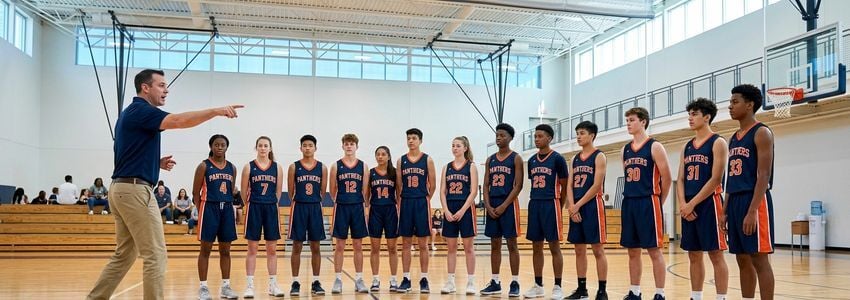
Crestmont Capital is a national business lender that has worked with athletic programs, training centers, sports facilities, and youth organizations across the country. Rather than applying rigid underwriting criteria that were built for retail or service businesses, Crestmont's advisors understand the specific financial patterns of sports businesses - including seasonal enrollment cycles, equipment depreciation, and the upfront investment required to launch or expand a program.
Here is what sets Crestmont Capital apart for youth sports program owners:
- Fast approval decisions: Many youth sports business owners receive a decision within 24 hours of submitting an application - critical when a facility lease is about to be signed or equipment needs to be ordered before the season starts
- Flexible loan structures: Crestmont works with programs ranging from small seasonal leagues to large multi-sport training facilities, tailoring loan amounts and repayment terms to match each business's actual cash flow
- No prepayment penalties on most products: If enrollment surges and you want to pay off your loan early, you shouldn't be penalized - and most Crestmont products allow this
- Multiple loan types under one roof: Whether you need a term loan for a facility renovation, a line of credit for seasonal payroll, or equipment financing for new training gear, Crestmont offers all of these - so you're not shopping across multiple lenders
- Dedicated advisor support: A real person reviews your application and can discuss the right financing strategy for your program's specific goals
Programs that have already taken out an initial loan for their sports complex often return to Crestmont when they need additional capital for expansion, staffing, or new program development - because the experience of working with an advisor who understands sports businesses is difficult to replicate at a traditional bank.
Fast Funding When Seasons Don't Wait: Youth sports programs operate on strict seasonal timelines. A late equipment delivery or delayed facility opening can cost an entire season's enrollment. Crestmont Capital's 24-48 hour funding timelines ensure your program stays on schedule.
Real-World Financing Scenarios for Youth Sports Programs
Understanding how financing works in practice is often more useful than reading about terms and rates in the abstract. Here are six realistic scenarios illustrating how youth sports business owners use financing:
Scenario 1: Launching an Indoor Training Academy
A former collegiate basketball coach wants to open a dedicated youth skills training center in a mid-size market. After finding a 6,000-square-foot warehouse space, he estimates $180,000 in leasehold improvements - hardwood flooring, court markings, ball storage, lighting, and HVAC. He takes an SBA 7(a) loan with a 10-year term, giving him low monthly payments while he builds enrollment. Within 18 months, his facility is running at full capacity with a waitlist for weekend training sessions.
Scenario 2: Expanding a Travel Baseball Program
A youth baseball organization that has run rec leagues for five years decides to launch a competitive travel program. To do it right, they need 15 complete uniform sets, batting equipment, a pitching machine, and tournament registration deposits for a full 30-game summer schedule - totaling roughly $45,000. A working capital loan with a 12-month repayment term covers the costs upfront, and repayment aligns with the strong enrollment revenue the summer season generates.
Scenario 3: Bridging the Off-Season Payroll Gap
A gymnastics training center runs strong programs September through May, but summer enrollment drops significantly when families take vacations. The owner has three full-time coaches she wants to retain year-round rather than losing them to competitors. She establishes a business line of credit during the busy season and draws on it during June and July to maintain payroll continuity - then pays it back quickly as fall enrollment opens.
Scenario 4: Upgrading Facility Safety Equipment
A youth wrestling club that has operated in a school gymnasium for years is moving into its own dedicated space. The new location needs wrestling mats, wall padding, a scoreboard, and locker room improvements - approximately $75,000 total. An equipment financing loan secured against the equipment itself provides fast approval and preserves the owner's cash reserves for marketing the new location and hiring an additional coach.
Scenario 5: Launching a New Sport Program
A multi-sport youth athletic company sees strong demand from parents for a lacrosse program in their market. Adding a new sport requires sticks, helmets, gloves, goals, balls, and field rental for a full season - about $30,000 in startup costs for the new program before the first enrollment check clears. A short-term working capital loan funds the launch, and the owner begins taking registrations immediately with equipment already on order.
Scenario 6: Building Out a Permanent Home Field
A youth soccer organization that has rented city park fields for eight years has an opportunity to lease a private field with an option to buy. Making the property worthy of competitive matches requires artificial turf installation, goal posts, player benches, and a small equipment storage building - a $320,000 investment. The organization combines an SBA 504 loan (for real property improvements) with a small working capital line for ongoing operational needs, creating a sustainable financial structure that supports long-term growth.
Comparing Your Youth Sports Financing Options
Not all financing products are created equal. Here is a comparison of the most common loan types available to youth sports businesses:
| Loan Type | Best For | Typical Amount | Speed | Term |
|---|---|---|---|---|
| Term Loan | Facility improvements, large equipment | $25K - $500K+ | 1-5 days | 1-5 years |
| SBA Loan | Long-term facility/real estate investment | $50K - $5M | 60-90 days | 10-25 years |
| Line of Credit | Seasonal payroll, variable expenses | $10K - $250K | 1-3 days | Revolving |
| Equipment Financing | Training gear, athletic equipment, tech | $5K - $500K | 1-3 days | 2-7 years |
| Working Capital Loan | Short-term operational needs, off-season coverage | $10K - $150K | Same day - 2 days | 6-18 months |
According to CNBC's small business reporting, alternative lenders now provide the majority of working capital financing to small businesses - outpacing traditional bank lending for loans under $250,000. Youth sports program owners benefit from this shift because alternative lenders typically offer faster decisions, more flexible terms, and a broader acceptance of seasonal revenue patterns that traditional banks often penalize.
Forbes notes that the availability of online business financing has particularly helped small sports and recreation businesses access capital that was previously only available to larger organizations. As noted in Forbes Advisor's small business loan guide, entrepreneurs should compare offers from multiple lenders and understand the full cost of capital before committing to any financing product.
Frequently Asked Questions
What is a youth sports business loan?
A youth sports business loan is any form of commercial financing used by a for-profit business that operates youth athletic programs, coaching academies, training centers, or organized youth leagues. These loans can be used for equipment purchases, facility improvements, payroll, marketing, tournament expenses, and working capital - essentially any legitimate business operating expense.
What types of youth sports businesses can apply?
Eligible businesses include youth sports academies and training centers (basketball, baseball, gymnastics, swimming, soccer, lacrosse, wrestling, volleyball, football, and more), travel league organizations, multi-sport youth development programs, private coaching businesses, sports performance training facilities, and youth athletic clubs. The business must be a for-profit entity - nonprofit organizations typically need to seek different financing channels such as grants or nonprofit-specific lenders.
How much can I borrow for my youth sports program?
Loan amounts vary widely based on the lender, loan type, and your business's revenue and credit profile. Short-term working capital loans typically range from $10,000 to $150,000. Term loans for equipment or facility improvements typically range from $25,000 to $500,000 or more. SBA loans can go up to $5 million for qualified borrowers. Your lender will assess your monthly revenue, debt obligations, and business history to determine an appropriate loan amount.
What credit score do I need to qualify?
Credit score requirements depend on the lender and loan type. Traditional banks and SBA lenders typically require a personal credit score of 680 or higher. Alternative lenders like Crestmont Capital often work with business owners who have scores as low as 550-580, placing more weight on business revenue, cash flow, and overall business health. A stronger credit score typically unlocks better interest rates and longer repayment terms.
How long does the approval process take?
Approval timelines vary significantly by loan type. Working capital loans and lines of credit from alternative lenders like Crestmont Capital can be approved and funded within 24 to 48 hours. Equipment financing typically takes 1 to 3 business days. SBA loans involve a more thorough underwriting process and typically take 60 to 90 days from application to funding. If you have an urgent need - such as a facility lease signing or pre-season equipment order - a fast alternative lender may be your best option.
Can I get a loan if my program is seasonal?
Yes. Alternative lenders understand that youth sports businesses operate with seasonal revenue patterns. Rather than penalizing seasonal fluctuations, experienced lenders evaluate your average annual revenue, your peak season performance, and your overall cash flow patterns. Revenue-based financing and lines of credit are particularly well-suited for seasonal programs because repayments flex with your revenue rather than requiring fixed payments regardless of enrollment volume.
What documents do I need to apply?
Most alternative lenders require a simple application with basic business information (business name, type, revenue) plus 3-6 months of business bank statements. Larger loans or SBA applications may require profit and loss statements, a business plan, tax returns, and a description of how the funds will be used. The lighter the documentation requirement, the faster the decision - and Crestmont Capital is known for keeping the process simple for established youth sports programs.
Can I use the loan to pay coaching staff?
Yes. Working capital loans and lines of credit can be used for payroll and staff compensation. This is one of the most common uses of youth sports business financing - covering coaching salaries, part-time assistant coaches, administrative staff, and seasonal contractors during periods when enrollment revenue is lower. Maintaining a stable, experienced coaching team year-round typically produces better program outcomes and stronger long-term enrollment.
Is collateral required for a youth sports business loan?
Not always. Unsecured working capital loans and lines of credit typically do not require specific collateral - they are approved based on your business's revenue and creditworthiness. Equipment financing uses the equipment itself as collateral. SBA loans and larger term loans may require business assets or a personal guarantee. If collateral is a concern, ask your lender about unsecured options - many youth sports programs qualify for unsecured financing based on their revenue history alone.
How do interest rates for youth sports business loans compare to other industries?
Interest rates for youth sports businesses are generally similar to rates for other small businesses in the recreation and service sector. Rates depend on the loan type, the lender, your credit profile, and your business's revenue history. SBA loans typically offer the lowest rates (7-11%), while alternative lenders offer faster funding at slightly higher rates (12-30% annual percentage rate). The right lender will help you understand the true cost of borrowing and choose the product that best matches your business's financial profile.
Can a new youth sports program get a loan?
Programs with less than 6 months of operating history face more limited financing options - most lenders require at least some revenue history. Programs with 6 to 12 months of history have access to working capital and equipment financing from alternative lenders. Programs with 1-2+ years of consistent revenue history have the broadest range of financing available, including SBA loans and larger term loans. If your program is truly in startup mode, equipment financing using specific collateral or a line of credit tied to an existing business may be your best path.
Can I use financing to purchase land or build a dedicated sports complex?
Yes. SBA 504 loans are specifically designed for real estate acquisition and facility construction - making them well-suited for youth sports programs looking to purchase land, construct a building, or make major long-term improvements to a permanent facility. Commercial real estate financing is also available through private lenders. These are larger, longer-term loans that typically require stronger financial documentation and longer approval timelines, but they provide the most cost-effective path to owning your program's home facility.
What happens if enrollment drops and I struggle to repay?
If you face repayment difficulty, contact your lender proactively - most lenders prefer to work out a modified repayment plan rather than move to default. Revenue-based financing automatically adjusts payments to reflect lower revenue months. Lines of credit offer maximum flexibility since you only pay interest on what you've drawn. When evaluating financing options, choose terms that give you breathing room during slow enrollment periods - this is one of the most important factors for youth sports program owners to consider before signing any loan agreement.
How does equipment financing work for sports gear?
Equipment financing for sports gear works by using the purchased equipment as collateral for the loan. You apply with a quote or invoice from the equipment vendor, and the lender typically finances 80-100% of the purchase price. You receive the equipment immediately, begin using it in your programs, and make fixed monthly payments over the loan term (usually 2 to 5 years). At the end of the term, you own the equipment outright. This structure preserves your working capital while giving you access to professional-grade gear immediately.
What is the difference between a youth sports business loan and a personal loan for my sports program?
A business loan is issued to your business entity (LLC, corporation, etc.) and is based primarily on your business's revenue and financial health. A personal loan is issued based on your personal credit and income. Business loans typically offer higher loan amounts, longer terms, and lower rates than personal loans for the same purpose. Business loans also help you build business credit, which improves your access to capital over time. For any youth sports program operating as a formal business entity, a business loan is almost always the better financing choice.
How to Get Started
Complete our quick application at offers.crestmontcapital.com/apply-now - takes just a few minutes and requires no commitment.
A Crestmont Capital advisor will review your program's revenue, goals, and timing to recommend the right financing structure - whether that's a term loan, working capital line, equipment financing, or SBA loan.
Receive your funds - often within 24 to 48 hours of approval - and start investing in the equipment, facilities, and coaches that set your program apart.
Conclusion
A youth sports business loan is one of the most effective tools available to athletic program owners who want to invest in growth without sacrificing operational stability. Whether you need $25,000 to stock a travel team with new equipment or $500,000 to renovate a dedicated training facility, the right financing puts your goals within reach - and allows you to focus on developing the next generation of athletes rather than worrying about cash flow gaps.
The youth sports industry is competitive. Programs that invest in quality coaches, modern equipment, and well-maintained facilities consistently attract more families, retain athletes longer, and build the kind of reputation that sustains growth year after year. Financing makes that level of investment possible without waiting years to accumulate enough internal capital.
Crestmont Capital has helped youth sports businesses across the country secure the capital they need to grow confidently. If you're ready to take your athletic program to the next level, our team is ready to help you find the right youth sports business loan for your specific situation - with fast decisions, transparent terms, and a process built for busy program operators.
Take Your Youth Sports Program to the Next Level
Apply today and get a decision in as little as 24 hours. Crestmont Capital - the #1 business lender in the U.S.
Apply Now →Disclaimer: The information provided in this article is for general educational purposes only and is not financial, legal, or tax advice. Funding terms, qualifications, and product availability may vary and are subject to change without notice. Crestmont Capital does not guarantee approval, rates, or specific outcomes. For personalized information about your business funding options, contact our team directly.