
 (800) 949-0401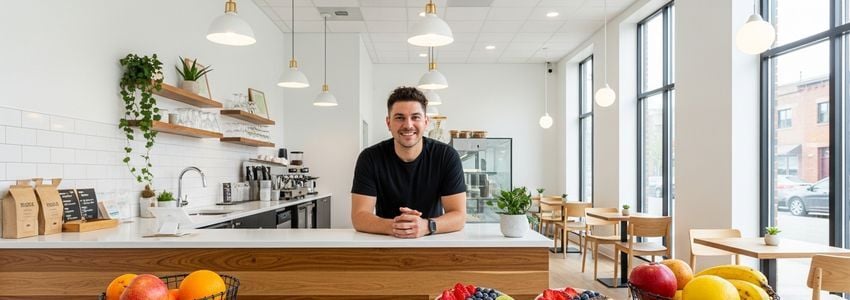
SoBol Franchise Loan: The Complete Financing Guide for SoBol Franchise Owners
If you are exploring the sobol franchise opportunity as a path to business ownership in the booming acai bowl and health food sector, securing the right financing is one of the most critical steps you will take. This comprehensive guide covers everything you need to know about SoBol franchise costs, financing options, and how Crestmont Capital can help you get funded and open your doors.
In This Article
About SoBol Franchise
SoBol is a rapidly expanding acai bowl franchise founded in 2015 on Long Island, New York. The brand has built a loyal following by offering nutritious, customizable acai bowls, smoothies, and healthy snacks in a bright and welcoming cafe environment. With a mission centered on bringing clean, delicious, and energizing food to communities across the United States, SoBol has positioned itself as one of the premier health food franchise opportunities available today.
The SoBol concept taps into several powerful consumer trends. Demand for plant-based and health-forward food options continues to surge across all demographics. Millennials and Gen Z consumers in particular are actively seeking brands that align with their wellness values, and SoBol delivers on that promise with every bowl. The brand's signature acai bowls feature fresh fruit, granola, and superfood toppings that are both visually appealing and nutritionally dense.
For prospective franchise owners, SoBol offers a number of meaningful advantages:
- Simple Operations: The SoBol menu does not require complex cooking equipment or elaborate kitchen infrastructure. This streamlines the build-out process and reduces staffing complexity, making it easier to manage day-to-day operations.
- Low Food Waste: The fresh ingredients used in acai bowls can be tightly managed, helping franchisees maintain strong food cost margins compared to more complex restaurant concepts.
- Flexible Real Estate Options: SoBol locations can be opened in a variety of retail environments, including strip malls, inline retail centers, and college campuses, giving franchisees flexibility in site selection.
- Strong Brand Identity: SoBol's vibrant aesthetic, social media-friendly presentations, and health-forward mission make it a compelling lifestyle brand with strong organic marketing potential.
- Proven Support System: The franchisor provides initial training, marketing support, and ongoing operational guidance to help franchisees build successful locations from day one.
According to industry data from Forbes, the health food and wellness industry continues to outpace traditional food service categories in growth, making franchises like SoBol increasingly attractive investment opportunities. As the brand expands into new markets, early franchisees have the opportunity to establish dominant positions in their local communities.
Ready to Finance Your SoBol Franchise?
Get fast, flexible financing from the #1 business lender in the U.S. No obligation - apply in minutes.
Apply Now ->SoBol Franchise Costs and Investment Requirements
Understanding the full financial picture before you begin the franchise application process is essential. The total investment required to open a SoBol franchise can vary based on location, market, build-out condition, and other local factors. Here is a detailed breakdown of the key cost components prospective franchisees should plan for:
Initial Franchise Fee: $25,000 - $40,000
The initial franchise fee is a one-time payment made to SoBol upon signing your franchise agreement. This fee grants you the right to operate under the SoBol brand name, access to proprietary systems, and participation in the initial training program. The franchise fee is typically non-refundable.
Total Initial Investment: $200,000 - $450,000
The total estimated investment range accounts for all costs associated with opening a new SoBol location. Key line items within this total include:
- Leasehold Improvements and Build-Out: Transforming a raw or second-generation retail space into a fully functioning SoBol location typically represents the largest single expense. Depending on local construction costs and site conditions, this can range from $100,000 to $250,000.
- Equipment and Fixtures: Commercial blenders, refrigeration units, point-of-sale systems, display cases, and furniture make up a significant portion of the startup budget. This category typically runs $50,000 to $100,000 and can often be financed separately through equipment financing.
- Initial Inventory: Stocking your location with acai, fresh fruit, granola, toppings, and packaging materials before opening typically requires $5,000 to $15,000.
- Signage and Decor: Exterior and interior signage consistent with SoBol brand standards costs approximately $5,000 to $20,000 depending on location and landlord requirements.
- Grand Opening Marketing: A dedicated marketing budget to launch your location with awareness campaigns, social media promotions, and local outreach can range from $5,000 to $15,000.
- Working Capital: A critical reserve to cover operating costs during the initial ramp-up period. Most lenders and franchise advisors recommend budgeting three to six months of operating expenses as working capital.
Ongoing Royalty Fee: 6% of Gross Sales
Franchisees pay a royalty fee of 6% of gross sales on an ongoing basis. This fee supports the continued development of the SoBol brand, proprietary systems, and corporate support infrastructure.
Marketing Fee: 2% of Gross Sales
In addition to the royalty, franchisees contribute 2% of gross sales to a national marketing fund. This pooled resource funds brand-level advertising campaigns that benefit all franchise locations.
Key Stat: The acai berry market in the United States is projected to grow at a compound annual growth rate exceeding 12% through 2030, making health food franchises like SoBol an increasingly compelling investment in a high-growth category.
Understanding these costs thoroughly before applying for financing will help you build a stronger loan application and demonstrate to lenders that you have a realistic and well-researched plan. Lenders respond favorably to applicants who can speak fluently about their investment requirements and projected cash flows.
Financing Options for Your SoBol Franchise
Once you have a clear picture of your total investment requirement, the next step is to identify the right mix of financing products to fund your SoBol location. Most franchisees use a combination of personal capital and debt financing to meet the total project cost. Here are the primary financing options available:
SBA 7(a) Loans
The SBA loans program, and the 7(a) loan in particular, is the most popular and widely used financing tool for franchise startups in the United States. SBA 7(a) loans are not direct government loans. Instead, the U.S. Small Business Administration provides a guarantee to participating lenders, which reduces their risk and allows them to offer more favorable terms to borrowers who might not qualify for conventional financing alone.
Key advantages of SBA 7(a) loans for SoBol franchisees include:
- Long Repayment Terms: SBA 7(a) loans can have repayment terms of up to 10 years for working capital and equipment, and up to 25 years if commercial real estate is included. Longer terms mean lower monthly payments, which is critical for managing cash flow during the startup phase.
- Lower Down Payments: SBA loans generally require an equity injection of 10% to 20% from the borrower, which is lower than many conventional loan requirements of 25% to 30%.
- Competitive Interest Rates: The SBA sets maximum allowable interest rates on its guaranteed loans, helping keep borrowing costs accessible for small business owners.
- Comprehensive Use of Funds: A single SBA 7(a) loan can cover the franchise fee, build-out costs, equipment, initial inventory, and working capital, simplifying the financing structure.
More information on SBA loan programs is available at SBA.gov.
Conventional Business Term Loans
Conventional small business loans from banks and credit unions offer another financing path for well-qualified borrowers. These loans typically require stronger credit profiles, more extensive documentation, and larger down payments than SBA loans, but can offer competitive rates for borrowers who meet the criteria. Conventional term loans are repaid in regular installments over a fixed period and provide predictable payment schedules that support budget planning.
Equipment Financing
One of the most efficient ways to manage your SoBol startup budget is to separate the equipment purchase from your primary loan. Equipment financing allows you to fund blenders, refrigeration units, POS systems, and other tangible assets using the equipment itself as collateral. This often makes it easier to qualify and can preserve your primary loan capacity for the build-out and working capital. Equipment financing terms typically range from 24 to 84 months.
Business Line of Credit
A business line of credit is a flexible, revolving form of financing that gives you access to a pool of capital you can draw from as needed. While a line of credit is not typically used for the initial large investment, it is an invaluable tool once your location is open. It allows you to manage cash flow fluctuations, cover unexpected expenses, fund seasonal marketing campaigns, and handle payroll during slow periods without depleting your operating reserves.
Long-Term Business Loans
For franchisees seeking extended repayment flexibility, long-term business loans offer terms that can stretch well beyond what standard bank products provide. These loans are particularly useful when the total project investment is higher and lower monthly payments are needed to ensure adequate cash flow during the growth phase.
Fast Business Loans
If a great location becomes available quickly and you need to move fast, fast business loans can provide funding in days rather than weeks. While these products may carry somewhat higher rates, they offer speed that traditional bank financing cannot match. They are best used for short-term bridge situations while longer-term financing is arranged.
Quick Guide
How SoBol Franchise Financing Works - At a Glance
Review the Franchise Disclosure Document (FDD), understand total investment ($200K-$450K), and confirm territory availability in your target market.
Submit your loan application with a business plan, credit profile, and detailed investment breakdown to qualified lenders.
Receive loan approval, sign the franchise agreement with SoBol, and secure your retail location.
Complete SoBol's training program, launch your location, and start building your local customer base and brand presence.
For a broader overview of franchise financing strategies, our comprehensive guide on franchise business loans covers everything from SBA programs to alternative financing options.
How to Qualify for a SoBol Franchise Loan
Lenders evaluate franchise loan applications using a set of core criteria. Understanding what they look for before you apply allows you to prepare a stronger application and increase your chances of approval. Here are the primary qualification factors for SoBol franchise financing:
Personal Credit Score
Your personal credit score is one of the first data points lenders examine. For SBA loans, most lenders require a minimum FICO score of 680. For conventional loans with the most favorable terms, scores of 720 or higher are generally expected. If your credit score needs improvement, addressing outstanding issues and reducing debt utilization before applying can meaningfully strengthen your profile.
Down Payment and Liquid Capital
No lender will finance 100% of a franchise project. You will need to demonstrate that you have sufficient liquid capital to make an equity injection. Most lenders require a down payment of 10% to 20% for SBA loans and 20% to 30% for conventional loans. This cash contribution demonstrates your commitment to the business and reduces the lender's risk exposure. Liquid capital can include savings, checking accounts, money market accounts, and liquid investment accounts.
Net Worth and Financial Stability
Lenders also evaluate your overall net worth, which is the sum of your assets minus your liabilities. A strong personal balance sheet gives lenders confidence that you have the financial resilience to weather the early stages of a new business. For most franchise loans in the $200,000 to $450,000 range, lenders typically expect a personal net worth of at least $300,000 to $500,000.
Business Plan and Financial Projections
A well-prepared business plan is essential. It should include an executive summary, a detailed description of your planned SoBol location, a local market analysis, your management background and relevant experience, and conservative three- to five-year financial projections. Lenders use your projections to assess whether the business will generate sufficient cash flow to service the debt. Be thorough, realistic, and specific.
Industry or Management Experience
While prior food service experience is not always required, it is a significant advantage. Demonstrating that you have managed teams, overseen a P&L, or operated in a customer-facing business environment reduces the perceived risk for lenders. If you lack direct restaurant experience, highlighting transferable management skills from other industries can still make a compelling case.
Collateral
Many lenders will seek collateral to secure the loan. This can include business assets such as equipment and leasehold improvements, as well as personal assets like real estate. SBA loans have specific collateral requirements, though collateral limitations will not automatically disqualify a borrower from consideration.
See How Much You Qualify For
Our franchise financing specialists will assess your profile and match you with the best loan options for your SoBol investment.
Apply Now ->How Crestmont Capital Helps SoBol Franchise Owners
Crestmont Capital is the #1 small business lender in the United States, and we have helped hundreds of franchise owners across the country secure the capital they need to open and grow their businesses. We understand that financing a franchise is different from a standard business loan. It requires knowledge of the franchise model, familiarity with FDD documentation, and relationships with lenders who specialize in this asset class.
Here is how we make the SoBol financing process easier and more effective for our clients:
Franchise Expertise: Our team understands health food franchise concepts inside and out. We know how to present the SoBol business model to lenders in a way that highlights its strengths, including its scalable menu, low operational complexity, and strong consumer demand. This expertise is similar to our deep experience with other health-focused concepts covered in our franchise financing guide.
Broad Lender Network: Rather than working with a single bank, Crestmont Capital has access to a network of SBA Preferred Lenders, regional banks, credit unions, and alternative capital providers who specialize in franchise financing. We match your specific financial profile and project to the lenders most likely to approve and fund your loan quickly.
Personalized Loan Structuring: Every SoBol franchise situation is unique. We work with you to analyze your total investment, available capital, and cash flow projections to build a financing structure that makes sense. Whether that means a single SBA 7(a) loan covering the full project or a combination of an equipment loan and working capital facility, we build the right solution for your circumstances.
Application Preparation Support: Our advisors help you assemble the complete documentation package that lenders require, including the personal financial statement, business plan, financial projections, franchise agreement, and use-of-funds breakdown. A complete and professionally organized application package significantly reduces processing time and increases approval odds.
Speed and Efficiency: In franchise markets, timing matters. The best retail locations do not wait. Our streamlined process and deep lender relationships allow us to move applications through underwriting faster than working through traditional bank channels alone. We are committed to getting you funded so you can focus on building your SoBol business.
Real-World Financing Scenarios
To illustrate how SoBol franchise financing works in practice, consider the following real-world scenarios. Each represents a different type of prospective owner and financing path:
Scenario 1: The Health and Wellness Enthusiast
Maria is a fitness instructor who has built a loyal community and wants to create a complementary business. She has a 720 credit score, $60,000 in personal savings, and $30,000 in a Roth IRA. Her total projected investment for a SoBol location in a busy suburban strip mall is $280,000. Maria works with Crestmont Capital to secure a $220,000 SBA 7(a) loan using her $60,000 in savings as the equity injection. The 10-year repayment term keeps her monthly payments at a manageable level, allowing her to invest in marketing and team development during the critical launch period.
Scenario 2: The Corporate Professional Transitioning to Entrepreneurship
James is a marketing director who wants to leave corporate life and build a business of his own. He has a 750 credit score, $80,000 in savings, and significant home equity. His projected SoBol investment is $350,000. Working with Crestmont Capital, James structures his financing as a $270,000 SBA 7(a) loan combined with a $30,000 equipment financing facility for his blenders and refrigeration units. The combined approach maximizes his borrowing capacity while keeping his personal cash reserve intact for the initial operating phase.
Scenario 3: The Experienced Restaurant Operator
Priya operates two successful fast-casual restaurant locations and wants to diversify her portfolio with a health-focused concept. She has an 800 credit score, strong business financials, and an established banking relationship. Her SoBol investment is projected at $400,000. Her lender is able to offer a conventional commercial loan at competitive rates given her demonstrated track record. Priya uses her business cash flow as part of the equity injection and secures favorable terms that reflect her operational credibility.
Scenario 4: The First-Time Franchise Owner with Retirement Assets
David is 47 years old and has accumulated $250,000 in a 401(k) account through years of corporate employment. He wants to transition into business ownership using his retirement savings. Using a Rollover for Business Startups (ROBS) structure, David is able to access $90,000 from his retirement account tax-free and penalty-free to use as his equity injection. He then secures a $230,000 SBA 7(a) loan for the balance of his $320,000 SoBol project, giving him full funding without liquidating personal savings accounts.
Loan Comparison: Which Financing Option Is Right for You?
Different loan products serve different needs. This comparison helps you understand how the most common franchise financing options stack up:
| Loan Type | Best For | Down Payment | Repayment Terms | Approval Speed |
|---|---|---|---|---|
| SBA 7(a) Loan | First-time franchise owners, full project funding | 10-20% | Up to 10-25 years | 60-90 days |
| Conventional Term Loan | Strong credit, existing business relationships | 20-30% | 3-10 years | 30-60 days |
| Equipment Financing | Purchasing equipment separately | 0-20% | 24-84 months | 7-30 days |
| Business Line of Credit | Ongoing working capital management | N/A | Revolving | 7-30 days |
| Merchant Cash Advance | Short-term cash needs, flexible repayment | N/A | 3-18 months | 1-5 days |
Pro Tip: Most SoBol franchise owners will find the SBA 7(a) loan program to be the most favorable option for their initial investment. The combination of lower down payment requirements, longer repayment terms, and comprehensive use of funds makes it uniquely well-suited for new franchise startups. According to CNBC, SBA loans remain one of the most important capital access tools for small business owners in the United States.
Ready to Get Funded?
Take the first step toward your SoBol franchise today. Apply in minutes and get connected with a financing specialist.
Apply Now ->Frequently Asked Questions
How much does it cost to open a SoBol franchise? +
The total investment for a SoBol franchise typically ranges from $200,000 to $450,000. This includes the initial franchise fee, leasehold improvements, equipment, initial inventory, marketing, and working capital reserves. Specific costs vary based on location, market, and site conditions.
What is the SoBol franchise fee? +
The SoBol initial franchise fee typically ranges from $25,000 to $40,000. This is a one-time, upfront fee paid upon signing the franchise agreement. It grants you the right to operate under the SoBol brand and access to their training and support systems.
What financing options are available for a SoBol franchise? +
The primary financing options include SBA 7(a) loans, conventional business term loans, equipment financing, business lines of credit, and ROBS (Rollover for Business Startups) for those using retirement funds. Most franchisees use a combination of personal equity and one or more loan products to fund their total project cost.
What credit score do I need to get a SoBol franchise loan? +
Most lenders, particularly for SBA loans, require a minimum personal credit score of 680. For conventional loans with the most favorable interest rates and terms, a score of 720 or higher is generally preferred. Higher credit scores typically result in better terms and faster approval timelines.
How much money do I need to put down for a SoBol franchise loan? +
Lenders typically require an equity injection of 10% to 20% of the total project cost for SBA loans. For a $300,000 SoBol project, that means having $30,000 to $60,000 in cash available for the down payment. Conventional loans may require 20% to 30%. This down payment can come from personal savings, retirement accounts (via ROBS), or gifts from family.
Can I use an SBA loan to open a SoBol franchise? +
Yes, SBA 7(a) loans are an excellent option for SoBol franchise financing. They can cover the franchise fee, build-out, equipment, inventory, and working capital in a single loan with favorable terms. SBA loans feature longer repayment periods and lower down payment requirements than most conventional options, making them particularly well-suited for new franchise startups.
How long does it take to get approved for a franchise loan? +
SBA loan approvals typically take 60 to 90 days from application submission to funding. Working with a financing partner like Crestmont Capital who knows the process and has established lender relationships can help move your application through underwriting more efficiently. Equipment financing and alternative lending products can close in as little as 7 to 30 days.
What ongoing fees does SoBol charge franchisees? +
SoBol franchisees pay an ongoing royalty fee of 6% of gross sales and a marketing fund contribution of 2% of gross sales. These fees support the continued development of the brand, national marketing initiatives, and the corporate support infrastructure that benefits all franchisees.
What training and support does SoBol provide? +
SoBol provides franchisees with an initial training program covering operations, customer service, food preparation, and business management. Ongoing support includes marketing assistance, supply chain access, and operational guidance from the corporate team. This support system is designed to help franchisees replicate the successful SoBol experience in new markets.
Is the SoBol franchise profitable? +
Profitability for a SoBol franchise depends on location, market size, traffic volume, and operational execution. Review the financial performance representations in SoBol's Franchise Disclosure Document (FDD) for benchmarks from existing locations. Health food franchise concepts generally benefit from strong margins on fresh ingredients and repeat customer loyalty.
How much working capital should I budget for my SoBol franchise? +
Most lenders and franchise advisors recommend budgeting three to six months of operating expenses as working capital. This reserve allows you to cover payroll, rent, utilities, inventory replenishment, and unexpected costs during the initial period before your location reaches breakeven. Underestimating working capital needs is one of the most common financial mistakes new franchise owners make.
What are the SoBol franchise renewal terms? +
Franchise renewal terms are outlined in the Franchise Disclosure Document. Most franchise agreements include renewal options subject to the franchisee being in good standing and meeting performance standards. Review the FDD carefully with a franchise attorney before signing to fully understand your renewal rights and any associated fees.
Can I sell my SoBol franchise? +
Yes, franchisees can typically sell their SoBol location to a qualified buyer, subject to SoBol's approval of the new owner and adherence to the transfer process outlined in the franchise agreement. A well-performing location with strong financials is a marketable business asset that can generate a meaningful return on your investment.
How do I apply for a SoBol franchise loan with Crestmont Capital? +
Applying is simple and takes just a few minutes. Visit our application page at offers.crestmontcapital.com/apply-now, provide basic information about your project and financial profile, and a Crestmont Capital franchise financing specialist will contact you to discuss your options. There is no obligation and the process starts with a soft credit inquiry that does not impact your credit score.
Why should I choose Crestmont Capital for my SoBol franchise financing? +
Crestmont Capital is the #1 small business lender in the United States. We specialize in franchise financing and have deep relationships with SBA Preferred Lenders and other capital providers who understand the franchise model. Our team handles the complexity of the loan process so you can focus on preparing to open your SoBol location. We work fast, communicate clearly, and are committed to getting you funded on the best possible terms.
How to Get Started
Complete our quick application at offers.crestmontcapital.com/apply-now - takes just a few minutes.
A Crestmont Capital advisor will review your franchise financing needs and match you with the best option for your SoBol investment.
Receive your funds, sign your SoBol franchise agreement, and open your doors to customers ready for delicious acai bowls.
Opening a SoBol franchise is an exciting entrepreneurial opportunity in one of the fastest-growing segments of the food and beverage industry. The combination of a compelling health-focused brand, streamlined operations, and strong consumer demand creates a solid foundation for a sustainable business. The most important step after committing to the SoBol opportunity is securing the right financing. Whether you pursue an SBA 7(a) loan, equipment financing, or a combination of products, working with a knowledgeable financing partner can make the difference between a smooth path to opening and months of frustration navigating the lending landscape alone. Crestmont Capital is here to guide you every step of the way, from your initial application through funding and beyond.
Disclaimer: The information provided in this article is for general educational purposes only and is not financial, legal, or tax advice. Funding terms, qualifications, and product availability may vary and are subject to change without notice. Crestmont Capital does not guarantee approval, rates, or specific outcomes. For personalized information about your business funding options, contact our team directly.








