
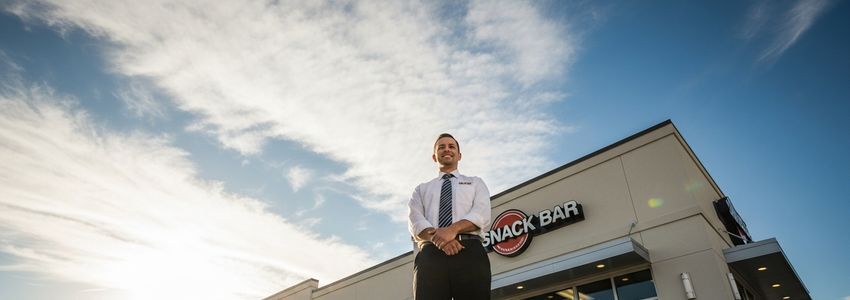
Starting a snack bar franchise is one of the most accessible and rewarding ways to enter the food and beverage industry. Whether you are looking to open a snack bar in a shopping mall, sports arena, school campus, movie theater, or standalone retail location, the demand for quick, affordable snacks has never been stronger. But like any franchise opportunity, getting started requires capital - and that is where a snack bar franchise loan becomes essential.
From covering franchise fees and equipment purchases to securing a lease and stocking inventory, the upfront costs of launching a snack bar franchise can range from $50,000 to well over $500,000 depending on the brand and location. Understanding your financing options and working with the right lender can make the difference between a dream deferred and a business that opens its doors on schedule.
At Crestmont Capital, we specialize in helping small business owners and franchise entrepreneurs access the capital they need to get started and grow. In this guide, we cover everything you need to know about snack bar franchise loans - from startup costs and qualification requirements to the types of funding available and how to apply.
In This Article
- What Is a Snack Bar Franchise?
- Snack Bar Franchise Costs and Investment
- Financing Options for Snack Bar Franchise Owners
- How Crestmont Capital Helps
- Who Qualifies for Franchise Financing
- Types of Loans Available
- Real-World Scenarios
- How to Apply
- How to Get Started
- Frequently Asked Questions
- Conclusion
What Is a Snack Bar Franchise?
A snack bar franchise is a licensed food service business that operates under an established brand name, serving quick bites, beverages, and light meals in high-traffic locations. Unlike full-service restaurants, snack bars focus on fast service, limited menus, and compact footprints - making them ideal for non-traditional venues like gyms, amusement parks, stadiums, hospitals, schools, and shopping centers.
Snack bar franchises span a wide range of concepts. Some specialize in popcorn and candies, others focus on pretzels, smoothies, hot dogs, nachos, or specialty beverages. Well-known snack bar concepts include Auntie Anne's Pretzels, Wetzel's Pretzels, Doc Popcorn, Kona Ice, and similar portable or kiosk-based food brands. Many of these franchises operate in venues where consumers are already present and looking for a quick treat - driving high transaction volumes with relatively low operating overhead.
The snack bar franchise model appeals to first-time business owners because of its lower complexity compared to full restaurants. There is typically no need for a full kitchen, wait staff, or extensive seating area. This simplicity translates into lower startup costs and a faster path to profitability, which is why lenders and investors view snack bar franchises as relatively lower-risk food service investments.
According to the U.S. Small Business Administration, franchise businesses benefit from built-in brand recognition, established operating systems, and franchisor support - all of which reduce the risk for new entrepreneurs and make them more attractive candidates for business financing.
Snack Bar Franchise Costs and Investment
One of the most important questions prospective franchise owners ask is: how much does a snack bar franchise cost? The answer varies widely depending on the brand, location, and format. Here is a breakdown of the typical costs involved:
Initial Franchise Fee
Most snack bar franchises charge an initial franchise fee ranging from $10,000 to $50,000. This fee grants you the right to operate under the brand name and access the franchisor's training, systems, and support. For smaller kiosk-based concepts, the fee may be on the lower end, while larger brands with more resources and support may charge more.
Equipment and Buildout
Depending on whether you are opening a kiosk, cart, inline unit, or full snack bar, equipment and construction costs can range from $20,000 to $200,000 or more. Equipment typically includes cooking appliances, refrigeration units, display cases, point-of-sale systems, and brand-specific fixtures. Kiosk models tend to have lower equipment costs than inline or end-cap store locations.
Real Estate and Lease Deposits
Many snack bar franchises operate in leased spaces within larger venues. Lease costs depend heavily on the location - a kiosk in a premium mall may cost $3,000 to $10,000 per month, while a smaller community center snack bar may lease for much less. Deposits and upfront lease payments can add $10,000 to $50,000 to your startup costs.
Inventory and Supplies
Initial inventory for a snack bar typically ranges from $5,000 to $25,000 depending on the menu and volume expected. This includes food products, packaging, cleaning supplies, and other consumables needed to begin operations.
Working Capital
Most franchisors recommend having 3 to 6 months of working capital on hand when you open. For a snack bar franchise, this typically means having $15,000 to $75,000 in reserve to cover payroll, rent, utilities, and unexpected expenses while the business builds its customer base.
Total Investment Range
All-in, the total investment to open a snack bar franchise typically ranges from $50,000 to $500,000+, with the median falling between $100,000 and $250,000 for a well-positioned inline or mall-based concept. Kiosk and cart models can come in at the lower end, while larger footprint or premium-location units will push costs higher.
Ready to Finance Your Snack Bar Franchise?
Get fast, flexible franchise financing from the #1 business lender in the U.S.
Apply NowFinancing Options for Snack Bar Franchise Owners

The good news for aspiring snack bar franchise owners is that there are multiple financing options available, each suited to different financial situations and funding needs. Here is an overview of the most common financing routes:
SBA Loans
The SBA loan program offers some of the most competitive interest rates and longest repayment terms available to small business owners. SBA 7(a) loans can be used to finance franchise fees, equipment, real estate improvements, and working capital. Loan amounts can go up to $5 million, with repayment terms of up to 10 years for working capital and up to 25 years for real estate. SBA loans are partially guaranteed by the federal government, which reduces risk for lenders and makes them more accessible to borrowers with moderate credit.
Conventional Business Term Loans
Traditional term loans from banks and alternative lenders provide a lump sum of capital that is repaid over a fixed period with regular payments. For snack bar franchises, term loans are commonly used to cover startup costs, buildout, and equipment. Repayment terms typically range from 1 to 7 years, and interest rates vary based on credit profile, collateral, and the lender's risk assessment.
Equipment Financing
Since snack bar franchises are equipment-heavy businesses, equipment financing is a natural fit. This type of financing uses the equipment itself as collateral, which often makes it easier to qualify for and allows you to preserve cash flow for other startup needs. Equipment loans typically cover 80-100% of the equipment's value.
Business Lines of Credit
A business line of credit gives franchise owners ongoing access to funds that can be drawn as needed and repaid on a revolving basis. This is particularly useful for managing seasonal cash flow fluctuations, covering unexpected repairs, or funding inventory restocks. Lines of credit offer flexibility that term loans do not.
Franchisor Financing
Some snack bar franchise brands offer in-house financing programs or have established relationships with preferred lenders. These programs may offer more flexible qualification criteria since the franchisor has a vested interest in helping qualified candidates open units. Always ask your franchisor about available financing assistance during the discovery process.
Rollover for Business Startups (ROBS)
ROBS is a strategy that allows entrepreneurs to use retirement funds such as a 401(k) or IRA to fund a new business without incurring early withdrawal penalties or taxes. While complex and requiring professional setup, ROBS can be an effective way for qualified individuals to self-fund a snack bar franchise. According to Forbes, ROBS transactions are legal and increasingly popular among franchise investors.
How Crestmont Capital Helps
Crestmont Capital has earned its reputation as the #1 business lender in the U.S. by delivering fast approvals, flexible terms, and personalized service that big banks simply cannot match. Our team understands the unique financial needs of franchise owners and has helped thousands of small business owners across the country secure the funding they need to launch and grow.
Here is what sets Crestmont Capital apart:
- Fast Approvals: Our streamlined application process means you can get a decision in as little as 24 to 48 hours - far faster than traditional bank timelines that can take weeks or months.
- Flexible Products: Whether you need a term loan, equipment financing, or a line of credit, we offer a full suite of products tailored to franchise businesses.
- Bad Credit Options: We work with business owners across the credit spectrum. If your credit score is less than perfect, our bad credit business loans may still provide the funding you need.
- SBA Expertise: Our team specializes in SBA loans, helping franchise owners navigate the application process and maximize their chances of approval.
- Dedicated Support: Every client gets a dedicated funding advisor who guides them through the entire process from application to funding.
Whether you need small business loans for startup costs, fast capital to seize a time-sensitive opportunity, or equipment financing to kit out your snack bar, Crestmont Capital has a solution. Our fast business loans are designed for entrepreneurs who cannot afford to wait.
According to CNBC, small business owners increasingly turn to alternative lenders because of the speed and flexibility they offer compared to traditional banks. Crestmont Capital is at the forefront of this shift, providing the kind of responsive, entrepreneur-focused funding that today's franchise owners demand.
By the Numbers
Snack Bar Franchise - Key Statistics
$50K
Minimum Startup Investment
$500K+
Maximum Total Investment
8%+
Annual Industry Growth Rate
24 hrs
Crestmont Capital Approval Time
$5M
Maximum SBA Loan Amount
560+
Minimum Credit Score (Some Programs)
Who Qualifies for Franchise Financing
One of the most common concerns among aspiring franchise owners is whether they will qualify for a business loan. The qualification requirements vary by loan type and lender, but here is a general overview of what most lenders look for:
Credit Score
For traditional bank loans and SBA loans, lenders typically prefer a personal credit score of 680 or higher. However, alternative lenders like Crestmont Capital work with borrowers who have scores as low as 560 in some programs. A higher credit score will generally result in better rates and terms, so it is worth taking steps to improve your credit before applying if time allows.
Time in Business
For startup franchise financing, lenders focus less on time in business (since you are new) and more on your personal financial history, industry experience, and the strength of the franchise brand. For existing snack bar operators looking to expand, having 1 or more years of business history significantly improves your options.
Annual Revenue
For established businesses, most lenders want to see at least $100,000 in annual revenue. For startups, the focus shifts to projected revenue based on the franchise's track record and your location's potential. Many lenders will ask for a business plan and financial projections as part of the application.
Down Payment
Most franchise loans require a down payment of 10% to 30% of the total project cost. SBA loans, for example, typically require at least 10% equity injection from the borrower. Having a larger down payment can improve your approval odds and result in lower interest rates.
Collateral
Many business loans are secured by collateral such as equipment, real estate, or other business assets. Equipment loans are self-collateralizing (the equipment serves as collateral), while SBA loans may require a personal guarantee and/or lien on business assets.
Industry Experience
Lenders like to see relevant experience in food service, retail, or business management. If you have previous experience in the food and beverage industry or have managed a business before, highlight this in your application. Franchisors often provide training that counts in lenders' eyes as reducing operational risk.
Ready to Finance Your Snack Bar Franchise?
Get fast, flexible franchise financing from the #1 business lender in the U.S.
Apply NowTypes of Loans Available for Snack Bar Franchises
There is no one-size-fits-all loan for snack bar franchise owners. The right financing depends on your specific needs, credit profile, and timeline. Here is a detailed breakdown of the most common loan types:
SBA 7(a) Loans
The SBA 7(a) is the most popular government-backed small business loan program. It can be used for virtually any business purpose including franchise fees, equipment, working capital, and real estate. Loan amounts range from $50,000 to $5 million, with repayment terms of up to 10 years for most purposes. Interest rates are tied to the prime rate plus a lender spread, making them highly competitive. Learn more about SBA loans at Crestmont Capital.
SBA 504 Loans
SBA 504 loans are specifically designed for major fixed-asset purchases like commercial real estate and large equipment. If you plan to purchase your own snack bar building or a significant piece of equipment, a 504 loan may offer lower down payment requirements and longer repayment terms than conventional financing. Loan amounts can reach $5.5 million for manufacturers and energy-efficient projects.
Equipment Financing Loans
Equipment loans are tailored to the purchase of specific business equipment. For snack bar franchises, this typically means cooking equipment, refrigeration units, display cases, espresso machines, popcorn poppers, and POS systems. Because the equipment serves as collateral, these loans often have more lenient credit requirements and faster approval timelines. Explore equipment financing options.
Business Lines of Credit
A revolving line of credit gives you flexible access to funds when you need them. Ideal for managing seasonal fluctuations, unexpected costs, or short-term cash flow gaps. Lines of credit typically range from $10,000 to $500,000 and can be drawn and repaid repeatedly. Interest is only paid on the amount drawn. A business line of credit is one of the most versatile tools in a franchise owner's financial toolkit.
Short-Term Business Loans
For franchise owners who need capital quickly - perhaps to secure a prime location before a competitor does - short-term business loans offer rapid funding with repayment terms of 3 to 18 months. These loans typically have higher interest rates than long-term products but offer unmatched speed. Crestmont Capital's fast business loans can fund in as little as 24 hours.
Merchant Cash Advances
For established snack bar operators with consistent card sales, merchant cash advances (MCAs) provide an advance against future revenue. Repayment is made through a percentage of daily credit/debit card sales, which means payments adjust with your revenue. MCAs are among the fastest funding options available, though they carry higher effective costs than traditional loans.
Real-World Financing Scenarios
To illustrate how snack bar franchise financing works in practice, here are four real-world scenarios that capture the range of situations franchise owners face:
Scenario 1: First-Time Franchisee Opening a Mall Kiosk
Maria has worked in retail for 10 years and wants to open a pretzel franchise kiosk in a local shopping mall. The total startup cost is $120,000, including a $25,000 franchise fee, $60,000 in equipment and buildout, $15,000 in inventory, and $20,000 in working capital. Maria has a 690 credit score and $15,000 in savings.
Solution: Maria applies for an SBA 7(a) loan through Crestmont Capital. With her strong credit and industry experience, she qualifies for $108,000 (90% of the project cost) with her $12,000 injection bringing the total equity to 10%. She secures a 7-year term at a competitive rate and opens her kiosk within 60 days of applying.
Scenario 2: Expanding to a Second Location
David owns a successful popcorn franchise at an entertainment complex and wants to open a second unit at a nearby sports arena. His first location generates $280,000 in annual revenue. He needs $180,000 for the new unit but wants to preserve cash flow in his existing business.
Solution: David qualifies for a conventional business term loan based on his established revenue and operating history. Crestmont Capital structures a 5-year term loan at a favorable rate, using his existing equipment as collateral. He opens the second location without disrupting the cash flow of his first unit.
Scenario 3: Equipment Upgrade for an Existing Snack Bar
Sarah owns a smoothie franchise and needs to replace aging blending equipment that has been causing reliability issues and slowing down her service times. The new equipment costs $45,000 and she needs it fast to avoid losing revenue during the busy summer season.
Solution: Sarah applies for an equipment financing loan through Crestmont Capital. Because the equipment itself serves as collateral, the approval process is fast and straightforward. She receives funding within 48 hours and gets the new equipment installed before the peak season hits.
Scenario 4: Seasonal Cash Flow Management
James runs a snack bar franchise at a seasonal tourist destination. Business is strong from May through September but slows considerably in the winter months. He needs $30,000 to cover payroll and rent during the slow season without drawing down his savings.
Solution: James establishes a business line of credit with Crestmont Capital. He draws funds during the slow months to cover operating costs and repays the balance when summer revenues pick back up. The revolving structure means he only pays interest on what he uses, and the line renews automatically for future seasons.
How to Apply for a Snack Bar Franchise Loan
Applying for a snack bar franchise loan does not have to be complicated. Here is a step-by-step guide to the application process:
Step 1: Determine Your Funding Needs
Before applying, get clear on how much capital you need and what it will be used for. Work with your franchisor to get an accurate estimate of total startup costs, including the franchise fee, equipment, buildout, inventory, and working capital. Having a clear picture of your needs will help you select the right loan product and amount.
Step 2: Check Your Credit
Pull your personal credit report from all three bureaus (Equifax, Experian, TransUnion) and check for any errors or issues that could affect your approval. If your score is below 680, consider taking 3 to 6 months to improve it before applying. Paying down existing debt and disputing inaccuracies can both improve your score meaningfully.
Step 3: Gather Your Documents
Most lenders will ask for a combination of the following documents:
- Personal and business tax returns (last 2-3 years if available)
- Personal financial statement
- Franchise disclosure document (FDD)
- Signed franchise agreement
- Business plan and financial projections
- Bank statements (last 3-6 months)
- Government-issued ID
- Details on collateral (if applicable)
Step 4: Compare Lenders and Products
Not all lenders are created equal. Compare rates, terms, fees, and approval timelines before committing. Alternative lenders like Crestmont Capital typically offer faster approvals and more flexible terms than traditional banks, especially for franchise startups without extensive operating history.
Step 5: Submit Your Application
Once you have chosen a lender, submit your application along with all required documentation. Crestmont Capital's online application takes just minutes to complete. Our team reviews applications quickly and follows up within 24 to 48 hours with a decision or a request for additional information.
Step 6: Review and Accept Your Offer
When you receive a loan offer, review all terms carefully before accepting. Pay close attention to the interest rate, repayment term, origination fees, prepayment penalties (if any), and any covenants or requirements. If anything is unclear, ask your funding advisor to explain it.
Step 7: Receive Funding and Launch
Once you accept the offer and complete any final paperwork, funds are typically disbursed within 1 to 5 business days. With capital in hand, you can finalize your lease, order equipment, complete buildout, stock inventory, and prepare for opening day.
How to Get Started
Complete our quick application at offers.crestmontcapital.com/apply-now. It takes less than 10 minutes and requires no hard credit pull to get started.
A dedicated Crestmont Capital funding advisor will review your application, discuss your needs, and match you with the best financing product for your snack bar franchise.
Once approved, receive your funds in as little as 24 hours. Use the capital to secure your location, purchase equipment, and launch your snack bar franchise with confidence.
Frequently Asked Questions
How much does it cost to open a snack bar franchise?
The total cost to open a snack bar franchise typically ranges from $50,000 to $500,000 or more, depending on the brand, location, and format. Kiosk and cart models tend to have lower startup costs, while inline or end-cap store units in premium locations will cost more. Major cost components include the franchise fee ($10,000 to $50,000), equipment and buildout ($20,000 to $200,000), lease deposits, inventory, and working capital reserves.
Can I get a loan to open a snack bar franchise with bad credit?
Yes, it is possible to get franchise financing even with less-than-perfect credit. Crestmont Capital offers bad credit business loans and works with borrowers who have credit scores as low as 560 in some programs. Equipment financing and merchant cash advances also tend to have more lenient credit requirements. However, improving your credit score before applying will result in better rates and terms.
What is the best loan for a snack bar franchise startup?
For most snack bar franchise startups, an SBA 7(a) loan is the best option due to its competitive interest rates, long repayment terms, and flexibility in how funds can be used. Equipment financing is ideal specifically for purchasing cooking and display equipment. A business line of credit is great for managing working capital and cash flow. The best loan for your situation will depend on your credit profile, timeline, and specific funding needs.
How long does it take to get approved for a franchise loan?
Approval timelines vary by loan type and lender. Alternative lenders like Crestmont Capital can approve applications in as little as 24 to 48 hours. SBA loans typically take 30 to 90 days due to the government guarantee process. Equipment loans and lines of credit through alternative lenders can also be approved quickly - often within a few business days. If speed is a priority, working with Crestmont Capital rather than a traditional bank will significantly reduce your wait time.
Do I need collateral to get a snack bar franchise loan?
It depends on the loan type. Equipment loans are self-collateralizing because the equipment you purchase serves as security for the loan. SBA loans may require a personal guarantee and/or a lien on business assets. Some unsecured business loans and lines of credit do not require physical collateral but may require a personal guarantee. Crestmont Capital can help you find loan products that match your collateral situation.
Can the SBA loan cover the franchise fee?
Yes, SBA 7(a) loans can be used to cover the initial franchise fee, as well as equipment, real estate improvements, working capital, and other startup costs. The SBA maintains a franchise registry of brands it has pre-approved for financing, which can streamline the process. Many snack bar franchise brands are on the SBA registry, but check with your lender or the SBA to confirm your specific brand's status.
What credit score do I need for a snack bar franchise loan?
Requirements vary by lender and loan type. Traditional banks and SBA loans generally prefer a credit score of 680 or higher. Alternative lenders like Crestmont Capital work with credit scores as low as 560 for certain products. A higher credit score will give you access to better interest rates and more loan options. If your score is below the preferred threshold, consider taking steps to improve it before applying or exploring products specifically designed for lower credit profiles.
How much of a down payment do I need for a franchise loan?
Down payment requirements typically range from 10% to 30% of the total project cost. SBA loans require at least a 10% equity injection from the borrower, meaning if your total startup cost is $150,000, you would need to contribute at least $15,000. Conventional business loans may require 20% to 30% down. The higher your down payment, the lower your monthly payments and the better your loan terms are likely to be.
Are snack bar franchises profitable?
Snack bar franchises can be very profitable, particularly those located in high-traffic venues. Kiosk and cart models benefit from low overhead costs relative to full-service restaurants, and many snack bar products have high profit margins. Location, brand recognition, and operational efficiency are the key drivers of profitability. Industry data suggests that well-run snack bar franchises in premium locations can achieve profit margins of 15% to 30% or more, though results vary widely.
What documents do I need to apply for a snack bar franchise loan?
Common documents required for a franchise loan application include: personal and business tax returns (last 2-3 years), personal financial statement, franchise disclosure document (FDD), signed or draft franchise agreement, business plan with financial projections, bank statements (last 3-6 months), government-issued ID, and details on any collateral. Having these documents ready before you apply will help speed up the process.
Can I use a business line of credit for franchise startup costs?
A business line of credit can be used to cover certain startup costs, particularly working capital needs and smaller purchases. However, for large upfront costs like franchise fees, major equipment, and buildout, a term loan or SBA loan is typically more appropriate because it provides a larger lump sum with a longer repayment period. Many franchise owners use a combination - a term loan for startup costs and a line of credit for ongoing working capital management.
Does Crestmont Capital work with first-time franchise owners?
Yes, Crestmont Capital works with first-time franchise owners and understands the unique challenges of launching a new franchise business. We help new entrepreneurs navigate the loan process, identify the best financing products for their situation, and structure funding that supports a strong launch. Our team is experienced with franchise financing and can guide you from application through funding.
What are current interest rates for snack bar franchise loans?
Interest rates for franchise loans vary based on the loan type, lender, and your credit profile. SBA 7(a) loan rates are typically prime plus 2.25% to 4.75%, which fluctuates with the Federal Reserve's prime rate. Conventional business term loans from alternative lenders can range from 7% to 30% depending on risk factors. Equipment loans generally range from 4% to 15%. For the most accurate rates for your specific situation, apply with Crestmont Capital and receive a personalized quote.
How do I choose the right snack bar franchise to invest in?
Choosing the right snack bar franchise involves evaluating several factors including: brand strength and recognition, total investment cost versus potential revenue, the franchisor's support and training programs, available territory and location options, the franchise's track record and existing franchisee satisfaction, and your personal interests and operational strengths. Carefully review the Franchise Disclosure Document (FDD) and speak with existing franchisees before making a decision. Consulting with a franchise attorney is also advisable.
Is a snack bar franchise a good investment in 2024 and beyond?
Snack bar franchises continue to be a strong investment opportunity for entrepreneurs who choose the right brand and location. The snack food and convenience food market has shown consistent growth, driven by changing consumer preferences toward quick, on-the-go food options. According to Bloomberg, the global snack food market is projected to reach hundreds of billions in value over the coming decade. With lower overhead than full restaurants and strong consumer demand, snack bar franchises offer a compelling risk-to-reward profile for small business investors.
Ready to Finance Your Snack Bar Franchise?
Get fast, flexible franchise financing from the #1 business lender in the U.S.
Apply NowConclusion
Opening a snack bar franchise is a fantastic way to enter the food service industry with lower risk and startup costs compared to a full-service restaurant. Whether you are drawn to the simplicity of a mall kiosk, the excitement of a sports venue snack bar, or the consistent traffic of a school or hospital location, the right franchise opportunity combined with the right financing can set you up for long-term success.
The key to securing the funding you need is partnering with a lender who understands the franchise business model and can move quickly. At Crestmont Capital, we have helped thousands of franchise owners across the country access the capital they need to turn their business dreams into reality. From SBA loans and equipment financing to fast short-term loans and flexible lines of credit, we have the products and expertise to structure a financing solution that fits your unique situation.
According to Bloomberg, small business lending is evolving rapidly, with alternative lenders playing an increasingly important role in filling the gap left by traditional banks. Crestmont Capital is proud to be at the forefront of this evolution, providing the speed, flexibility, and personalized service that today's franchise entrepreneurs deserve.
Do not let financing be the obstacle between you and your snack bar franchise goals. Apply today and let Crestmont Capital help you get funded, get open, and get growing.
Disclaimer: The information provided in this article is for general educational purposes only and is not financial, legal, or tax advice. Funding terms, qualifications, and product availability may vary and are subject to change without notice. Crestmont Capital does not guarantee approval, rates, or specific outcomes. For personalized information about your business funding options, contact our team directly.



