Roofing franchise business loans give franchise owners the capital they need to launch, grow, and scale their operations in one of the most resilient sectors of the construction industry. Whether you are acquiring a roofing franchise territory, purchasing trucks and equipment, or covering the cost of a new crew during your busiest season, business financing is often the key that unlocks your growth. This guide covers everything roofing franchise owners need to know about securing funding in 2026.
In This Article
- What Are Roofing Franchise Business Loans?
- Why Roofing Franchisees Need Financing
- Types of Loans for Roofing Franchise Owners
- How Roofing Franchise Financing Works
- Qualification Requirements
- How Crestmont Capital Helps
- Real-World Scenarios
- Comparing Your Financing Options
- Frequently Asked Questions
- How to Get Started
What Are Roofing Franchise Business Loans?
Roofing franchise business loans are financing products specifically used by franchisees who operate under an established roofing brand. These loans can cover a wide range of business needs, from paying an initial franchise fee to purchasing vehicle fleets, funding payroll during slow seasons, or investing in marketing to grow your customer base.
Unlike traditional business loans for independent contractors, roofing franchise owners often benefit from their brand's reputation when seeking financing. Lenders view established franchise systems as lower-risk because they come with proven business models, built-in training systems, and ongoing franchisor support. This can translate directly into better loan terms and higher approval rates for qualified franchisees.
The roofing industry itself is one of the most stable segments of residential and commercial construction. According to industry data from the U.S. Census Bureau, the construction sector consistently represents a significant portion of American GDP, and roofing services remain in strong demand across all economic cycles. Storms, aging housing stock, and new commercial development all drive steady business for roofing franchisees.
Industry Insight: The U.S. roofing industry generates over $50 billion in annual revenue, with franchise-backed contractors holding an increasing share of the market. Franchisees benefit from established brand recognition that independent roofers often spend years building.
Why Roofing Franchisees Need Business Financing
Launching and scaling a roofing franchise requires substantial upfront capital. Even experienced contractors find that transitioning to a franchise model introduces new financial demands that can strain cash flow if not managed carefully. Understanding where and why roofing franchisees typically need funding helps you plan your financing strategy before problems arise.
The most common capital needs for roofing franchise owners include:
- Franchise fees and territory rights: Initial franchise fees can range from $20,000 to over $80,000 depending on the brand, and that is often before you factor in the cost of securing an exclusive territory.
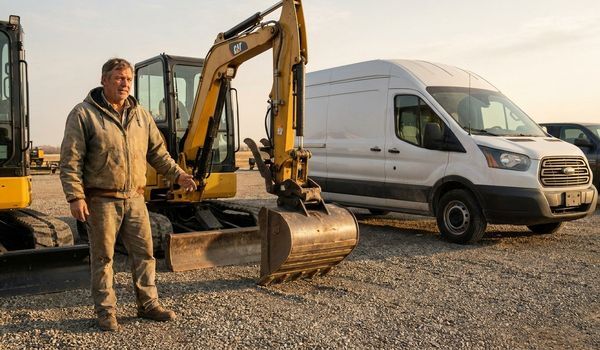
- Vehicle and equipment purchases: A professional roofing operation requires trucks, trailers, ladders, safety equipment, nail guns, shingle removal tools, and more. Building a fleet capable of running multiple crews can easily exceed $200,000.
- Working capital: Roofing is a seasonal business in many regions, and maintaining payroll, insurance, and overhead during slow months requires a cash buffer.
- Marketing and lead generation: Franchisors often require franchisees to invest in local advertising, digital marketing, and community presence as part of brand standards.
- Staffing and training: Hiring and training skilled crews is both costly and time-intensive. Financing helps you onboard faster without depleting your operating reserves.
- Expansion into additional territories: Once you establish your first territory, many roofing franchise brands offer the opportunity to purchase additional service areas at favorable rates for existing franchisees.
Each of these needs represents a legitimate use of business financing, and lenders who understand the roofing franchise model are well-positioned to help franchisees access the capital they need at competitive rates.
Ready to Finance Your Roofing Franchise?
Get fast, flexible funding tailored for franchise owners. Apply in minutes with no obligation.
Apply Now →Types of Loans Available for Roofing Franchise Owners
Roofing franchise owners have access to a broad range of financing products, from traditional bank loans to alternative lending options that prioritize speed and flexibility. Here is a breakdown of the most common loan types used by roofing franchisees in 2026.
SBA Loans for Roofing Franchises
SBA loans are among the most sought-after financing options for franchise businesses. The SBA 7(a) loan program offers loan amounts up to $5 million with terms of up to 10 years for working capital and up to 25 years for commercial real estate. These loans carry competitive interest rates and are partially guaranteed by the federal government, making them lower-risk for lenders.
Many roofing franchise brands appear on the SBA's Franchise Directory, which streamlines the approval process because the franchisor's Franchise Disclosure Document (FDD) has already been reviewed. If your franchise brand is SBA-approved, you may qualify for faster processing and more favorable terms.
Equipment Financing for Roofing Companies
Equipment financing is one of the most practical and commonly used tools for roofing franchise owners. Rather than depleting your cash reserves to buy trucks, trailers, and specialized tools, equipment loans let you spread the cost over time while the equipment earns revenue from day one.
With equipment financing from Crestmont Capital, roofing franchisees can fund:
- Pickup trucks, work vans, and flatbed trailers
- Roofing shingle lifts and material hoists
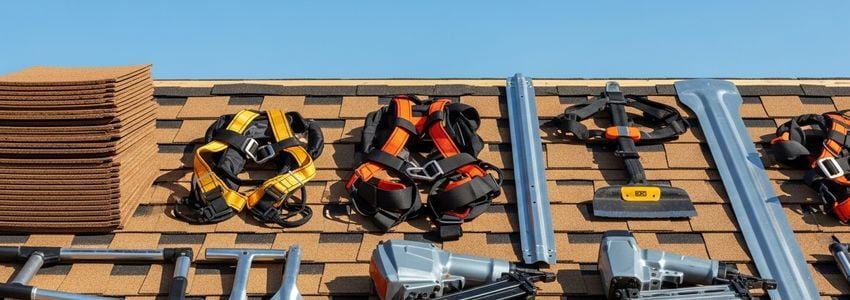
- Safety harness systems, ladders, and scaffolding
- Pneumatic nail guns and other power tools
- Software systems for estimating, scheduling, and invoicing
Equipment loans are secured by the equipment itself, which makes them easier to qualify for than unsecured financing. Terms typically range from 2 to 7 years, and interest rates reflect the asset quality and borrower creditworthiness.
Business Lines of Credit
A business line of credit functions like a credit card for your business - you draw funds as needed and only pay interest on what you use. For roofing franchise owners, this is particularly valuable for managing cash flow gaps between job completion and customer payment, or for covering payroll during a stretch of rainy weather that delays installs.
Lines of credit typically range from $10,000 to $500,000 and can be revolving, meaning the credit replenishes as you pay it down. This flexibility makes them ideal for handling the unpredictability of residential and commercial roofing work.
Short-Term Business Loans
When a major job opportunity arises and you need materials, additional crew, or equipment fast, short-term business loans can bridge the gap quickly. These loans typically fund within 24 to 72 hours and require less documentation than traditional bank loans.
Short-term loans are best used for specific, time-sensitive needs rather than long-term capital investments, as they generally carry higher interest rates than SBA or term loans.
Working Capital Loans
Working capital loans provide unrestricted funds that roofing franchise owners can deploy however they see fit - materials, payroll, marketing, or administrative overhead. These unsecured loans are typically based on the business's revenue and cash flow history rather than collateral.
Franchise Financing Programs
Some roofing franchise brands maintain preferred lender relationships or in-house financing programs designed specifically for their franchisees. These programs may offer more flexible qualification requirements or lower documentation burdens because the lender already understands the franchise model's economics.
By the Numbers
Roofing Franchise Industry at a Glance
$56B+
Annual U.S. roofing industry revenue
15-20%
Typical net profit margin for roofing franchises
$50K+
Average initial franchise investment needed
24-72 hrs
Typical funding speed through Crestmont Capital
How Roofing Franchise Financing Works
The financing process for roofing franchise owners follows a fairly straightforward path, whether you are working with a traditional bank or an alternative lender. Understanding how it works helps you prepare the right documentation and set realistic expectations for timelines and terms.
Step 1 - Assess Your Capital Needs
Before applying for any loan, calculate exactly how much you need and what you plan to spend it on. Lenders will ask for a detailed breakdown, and having a clear use-of-funds plan demonstrates financial sophistication and improves your chances of approval. Break your needs into categories: equipment, vehicles, working capital, marketing, and personnel.
Step 2 - Gather Your Financial Documentation
Most lenders will require some combination of the following:
- Personal and business tax returns (last 2-3 years)
- Bank statements (last 3-6 months)
- Franchise Disclosure Document (FDD)
- Business plan or financial projections
- Equipment quotes or vendor invoices (for equipment loans)
- Profit and loss statements
Step 3 - Compare Lenders and Loan Products
Not all lenders treat franchise businesses the same way. Some specialize in franchise financing and have streamlined processes, while others may require more documentation because they are unfamiliar with the franchise model. Comparing multiple options helps you find the best combination of rate, term, and speed.
Step 4 - Submit Your Application
Once you have selected a lender and loan product, submit your application along with the required documentation. Alternative lenders like Crestmont Capital can often process applications and provide funding decisions within 24 to 72 hours, while SBA loans may take 30 to 90 days for full approval.
Step 5 - Receive and Deploy Funds
After approval, funds are typically deposited directly into your business bank account. For equipment loans, the lender may pay the vendor directly. Once funds are received, you can immediately deploy capital toward your planned use case and begin generating returns.
Qualification Requirements for Roofing Franchise Loans
Qualification requirements vary significantly depending on the type of loan and the lender. However, most financing options for roofing franchise owners look at a combination of the following factors.
Credit Score
For SBA loans, most lenders prefer a personal credit score of 680 or above. For equipment financing and alternative business loans, requirements are more flexible - Crestmont Capital regularly works with borrowers who have credit scores in the 600-650 range when other factors are strong. If your credit needs improvement, visit our guide on small business loans for credit-building strategies.
Time in Business
Established roofing franchise owners with 1 or more years of operation have access to the broadest range of financing options. Newer franchisees or those in the startup phase can still access equipment financing and franchise-specific programs, though requirements and rates will reflect the additional risk.
Annual Revenue
Most working capital and business line of credit products require at least $100,000 to $150,000 in annual revenue. Higher revenue typically unlocks larger loan amounts and better terms. Roofing franchisees who have operated for a full season or more often have the revenue history needed to qualify for substantial financing.
Franchise Brand and FDD
Lenders familiar with franchise financing will review your franchise's FDD to understand the system's economics, the franchisor's financial stability, and any transfer restrictions or approval requirements. SBA-approved franchise brands offer an additional layer of credibility with lenders.
Collateral
Equipment loans use the equipment as collateral. SBA loans may require a lien on business assets. Working capital and line of credit products may be unsecured for qualified borrowers. Real estate-backed business owners can sometimes use commercial property as additional collateral to access lower rates.
Pro Tip: Even if your personal credit is not ideal, strong business revenue and a signed franchise agreement with a reputable brand can dramatically improve your approval odds with the right lender. Focus on presenting a complete application with all required documents to maximize your chances.
How Crestmont Capital Helps Roofing Franchise Owners
Crestmont Capital is one of the top-rated business lenders in the United States, specializing in fast, flexible financing for small and mid-size businesses including roofing franchise owners. Our team understands the unique financial dynamics of the roofing industry - the seasonality, the equipment demands, the crew management challenges, and the opportunity that comes with owning a proven franchise brand.
We offer roofing franchise owners access to multiple financing products under one roof, including equipment financing, working capital loans, business lines of credit, and SBA loan assistance. Our application process is straightforward, our funding timeline is fast, and our team works proactively to match each borrower with the product that best fits their specific situation.
Many roofing franchise owners find that our process is dramatically simpler than going through a traditional bank. We do not require extensive collateral packages or months of back-and-forth. We evaluate your overall business health and franchise performance, and we move quickly to get you the capital you need.
Roofing franchise owners who have worked with Crestmont Capital have used our financing to:
- Purchase truck fleets and equipment for launching new territories
- Fund payroll and material costs during peak storm season surge
- Finance marketing campaigns that doubled their inbound lead volume
- Acquire additional franchise territories at critical growth moments
- Bridge cash flow gaps when large commercial invoices sat unpaid for 60-90 days
For more on our approach to franchise financing, check out our complete guide on franchise business loans.
Grow Your Roofing Franchise Faster
Crestmont Capital offers tailored financing for roofing franchise owners. No obligation - see your options today.
Get Funded →Real-World Scenarios: How Roofing Franchise Owners Use Financing
Understanding how other roofing franchise owners have applied financing can help you identify the right strategy for your own situation. The following scenarios illustrate common use cases across different stages of franchise ownership.
Scenario 1: Launching a New Territory After Signing the Franchise Agreement
A franchisee signs with a national roofing brand and needs to raise $180,000 within 60 days to pay the franchise fee, purchase an initial truck and equipment package, and fund two months of operating expenses while building the customer base. The franchisee applies for a combination of equipment financing for the vehicles and an SBA 7(a) loan for the franchise fee and working capital. Total funding is secured within 45 days, and the franchisee opens for business on schedule.
Scenario 2: Scaling Up After a Major Storm Event
A roofing franchise owner in the Midwest lands over $400,000 in storm restoration contracts following a severe hail season. To complete the work before homeowners' insurance deadlines expire, the owner needs materials, additional crew members, and equipment rentals immediately. A short-term working capital loan of $75,000 provides the bridge financing needed to purchase materials upfront, with repayment coming from the job deposits and insurance proceeds over the following 60 days.
Scenario 3: Adding a Second Truck and Crew
An established roofing franchisee with two years of operation has consistently exceeded revenue projections and wants to scale by adding a second crew. Equipment financing covers the cost of a new truck and tool package - approximately $65,000 - with monthly payments structured to align with the additional revenue the second crew is expected to generate. The franchisee maintains a healthy cash position and avoids disrupting working capital.
Scenario 4: Surviving a Slow Winter Season
A roofing franchise owner in a northern state experiences a dramatic drop in new installation work during the winter months. A business line of credit drawn to $40,000 covers payroll for the core crew, insurance premiums, and vehicle payments until spring activity resumes. The line is fully repaid within the first six weeks of the spring season.
Scenario 5: Acquiring a Second Franchise Territory
After three successful years with her first territory, a franchisee receives an offer from the franchisor to acquire an adjacent territory at a reduced fee. The acquisition requires $95,000 upfront. Using the equity built through strong business performance, she secures a term loan at favorable rates, enabling the expansion while maintaining her existing operation's cash flow.
Scenario 6: Investing in Technology and Software
A roofing franchise owner invests in drone inspection technology and estimating software to differentiate from competitors and close more bids. The $25,000 equipment purchase is financed over 36 months, and the improved close rate on bids more than covers the loan payments within the first quarter of use.
Comparing Roofing Franchise Financing Options
| Loan Type | Typical Amount | Speed | Best For |
|---|---|---|---|
| SBA 7(a) Loan | $50K - $5M | 30-90 days | Franchise acquisition, expansion |
| Equipment Financing | $10K - $500K | 1-5 days | Trucks, trailers, tools |
| Business Line of Credit | $10K - $500K | 1-3 days | Cash flow gaps, seasonal needs |
| Working Capital Loan | $25K - $250K | 24-72 hours | Payroll, materials, marketing |
| Short-Term Loan | $10K - $150K | Same day - 48 hours | Emergency needs, time-sensitive |
For a deeper look at how different financing products compare, see our article on roofing business loans, which covers independent contractors and franchise owners alike.
Key Takeaway: Most roofing franchise owners benefit from having multiple financing tools available simultaneously. An equipment loan for your trucks, a line of credit for cash flow management, and a term loan for expansion projects can all coexist and serve different strategic purposes within your business.
Frequently Asked Questions
What credit score do I need for a roofing franchise business loan?
Most traditional lenders and SBA programs prefer a personal credit score of 680 or above. However, alternative lenders like Crestmont Capital can work with scores as low as 600 when your business revenue, franchise brand, and overall financial profile are strong. Having a signed franchise agreement with a reputable brand is itself a positive signal to lenders.
Can I get a roofing franchise business loan if I am just starting out?
Yes. New roofing franchise owners often qualify for equipment financing and SBA startup loans even without established business revenue. The franchisor's track record, your personal credit and financial history, and the strength of your business plan all factor into the lender's decision. Some franchise brands also maintain lender relationships that offer favorable terms for new franchisees.
How much can I borrow as a roofing franchise owner?
Loan amounts depend on your business financials, credit profile, and the type of loan. Equipment loans can range from $10,000 to several hundred thousand dollars. Working capital loans typically range from $25,000 to $250,000. SBA 7(a) loans go up to $5 million. Most established roofing franchise owners with one or more years in operation can access meaningful capital in the $50,000 to $500,000 range.
How fast can I get funding for my roofing franchise?
Speed depends on the loan type. Alternative lenders like Crestmont Capital can fund working capital loans and equipment financing within 24 to 72 hours of approval. SBA loans require significantly more time, often 30 to 90 days, but offer lower rates and longer terms. For urgent needs, short-term loans and lines of credit are your fastest options.
Do I need collateral to get a roofing franchise loan?
Not always. Equipment financing uses the equipment itself as collateral, making it easier to qualify. Working capital loans and business lines of credit can be unsecured for qualified borrowers with solid revenue history. SBA loans may require a lien on business assets and a personal guarantee. Your specific collateral requirements will depend on the loan type, amount, and lender.
Can I use a business loan to pay the roofing franchise fee?
Yes. SBA 7(a) loans are commonly used to fund franchise fees, as the SBA specifically allows this use of proceeds for eligible franchise brands. Term loans and working capital loans can also be used for franchise fees depending on the lender's policies. Always confirm with your lender that franchise fee financing is permitted under your loan agreement.
What documents do I need to apply for a roofing franchise loan?
Typical documents include your last 2-3 years of personal and business tax returns, 3-6 months of bank statements, the franchise Disclosure Document, a business plan or financial projections, and any equipment quotes if applying for equipment financing. Having these ready before you apply significantly speeds up the process.
Is roofing a good industry to get a franchise loan for?
Yes. Roofing is considered a strong lending target because of the industry's consistent demand and relatively high profit margins. Every home and commercial building requires periodic roof maintenance and eventual replacement, which creates a steady and recession-resistant revenue stream. Lenders familiar with the construction sector generally view established roofing franchisees favorably.
Can I get a business loan if my roofing franchise is seasonal?
Absolutely. Seasonal businesses are common in the roofing industry, and lenders who work with contractors understand this. A business line of credit is particularly well-suited for seasonal roofing operations because you can draw funds when activity slows and repay during your peak season. Showing 12-24 months of bank statements that reflect your seasonal revenue pattern helps lenders structure an appropriate product for your business.
What interest rates can I expect on a roofing franchise business loan?
Interest rates vary based on loan type, credit profile, and business financials. SBA 7(a) loans typically carry rates ranging from prime plus 2.25% to prime plus 4.75%. Equipment financing rates generally fall between 6% and 18%. Working capital and short-term loans may carry higher rates due to their flexibility and speed, often in the 15% to 35% range. Stronger credit and revenue profiles qualify for the lowest rates.
How does franchising with an established brand help me get a better loan?
Established franchise brands signal lower risk to lenders because they come with proven business models, built-in training, ongoing support, and recognizable marketing. Many brands appear on the SBA's Franchise Directory, which streamlines the SBA loan approval process. Lenders also recognize that franchisees benefit from a network of fellow owners and performance benchmarks that independent contractors lack.
Can I use equipment financing for used trucks and tools?
Yes. Most equipment lenders, including Crestmont Capital, finance both new and used equipment. The age and condition of the equipment will affect the terms - older equipment may require a larger down payment or shorter loan term. Used truck and tool financing is common among roofing franchise owners looking to minimize costs while still building out their fleet.
What happens if I need more capital mid-season?
A revolving business line of credit gives you ongoing access to capital without the need to apply for a new loan each time a need arises. Once approved, you can draw from the line, repay it, and draw again - all within your approved credit limit. For roofing franchise owners managing multiple jobs simultaneously, a line of credit provides the financial flexibility to scale up rapidly when opportunities appear.
Are there any grants available for roofing franchise owners?
True grants for roofing franchise businesses are rare. Most government grant programs target non-profit organizations, research institutions, or specific underserved communities. Minority-owned, women-owned, and veteran-owned roofing franchise operators may have access to specific programs offered through the SBA or state economic development agencies. For most roofing franchisees, loans remain the primary and most accessible source of growth capital.
How do I choose between a bank and an alternative lender for my roofing franchise loan?
Traditional banks typically offer the lowest interest rates but require excellent credit, extensive documentation, and may take weeks to months for approval. Alternative lenders like Crestmont Capital offer faster approvals, more flexible criteria, and a wider range of products - but rates may be somewhat higher. The best choice depends on how quickly you need funds, the strength of your credit profile, and how much time you can invest in the application process. Many roofing franchise owners use both: SBA loans for long-term capital needs and alternative lenders for short-term operational financing.
Don't Wait - Capital Is Available Now
Join thousands of franchise owners who trust Crestmont Capital for fast, reliable business financing. Apply in minutes.
Apply Now →How to Get Started
Complete our quick application at offers.crestmontcapital.com/apply-now - takes just a few minutes and requires no obligation.
A Crestmont Capital advisor will review your roofing franchise's financials and match you with the right financing product and terms.
Receive your funds - often within 24 to 72 hours - and deploy them toward growing your roofing franchise operation.
Conclusion
Roofing franchise business loans provide franchise owners with the capital needed to launch territories, build equipment fleets, manage seasonal cash flow, and scale into additional markets. The roofing industry's strong fundamentals, combined with the inherent advantages of the franchise model, make roofing franchisees well-positioned borrowers across a wide range of financing products.
Whether you need an equipment loan for trucks, an SBA loan for your initial franchise fee, or a flexible line of credit to handle seasonal fluctuations, roofing franchise business loans give you the financial tools to operate and grow with confidence. Crestmont Capital stands ready to help roofing franchise owners across the country access the capital they need to build thriving businesses.
Apply today and take the next step toward growing your roofing franchise on solid financial footing.
Ready to Fund Your Roofing Franchise?
Crestmont Capital helps roofing franchise owners access fast, flexible financing. Apply now and get a decision in hours, not weeks.
Apply Now →Disclaimer: The information provided in this article is for general educational purposes only and is not financial, legal, or tax advice. Funding terms, qualifications, and product availability may vary and are subject to change without notice. Crestmont Capital does not guarantee approval, rates, or specific outcomes. For personalized information about your business funding options, contact our team directly.