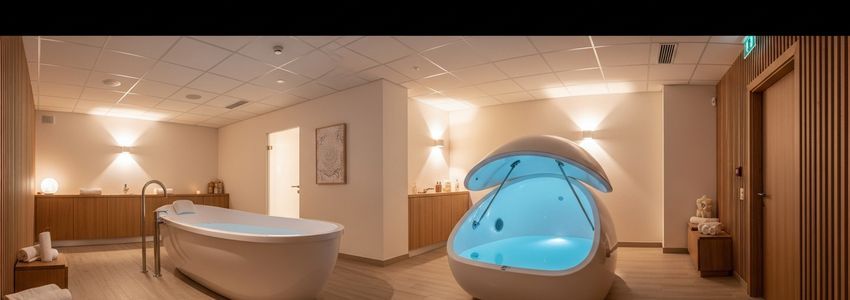
Securing the right float therapy business loans is a critical step in launching, expanding, or upgrading a float center in the rapidly growing wellness industry. Whether you're planning to purchase your first sensory deprivation tank or build out a multi-pod luxury spa, understanding your financing options is essential for turning your vision into a profitable reality. This comprehensive guide will walk you through every aspect of funding your float therapy business, from the types of loans available to the specific costs you can expect to cover.
In This Article
- What Are Float Therapy Business Loans?
- The Float Therapy Industry: A Growing Market
- Key Benefits of Float Therapy Business Financing
- How Float Therapy Business Loans Work
- Types of Financing for Float Therapy Businesses
- How Crestmont Capital Helps Float Therapy Businesses
- Who Qualifies for Float Therapy Business Loans?
- How Much Does It Cost to Open or Expand a Float Center?
- Real-World Scenarios: Float Therapy Businesses Using Financing
- Comparing Financing Options for Float Therapy Businesses
- How to Apply for Float Therapy Business Loans
- Frequently Asked Questions
- Conclusion
What Are Float Therapy Business Loans?
Float therapy business loans are specialized financial products designed to meet the unique capital requirements of opening, operating, and growing a float center. Unlike generic business loans, these funding solutions are often structured with an understanding of the specific assets and operational costs associated with the flotation therapy industry. They provide the necessary capital to cover significant upfront investments and ongoing operational expenses.
These loans are not a one-size-fits-all solution. They encompass a range of financing types, from equipment-specific loans to flexible lines of credit. The primary purpose of this funding is to empower entrepreneurs to acquire the high-value assets and infrastructure needed to provide a safe, sanitary, and transformative experience for clients.
Key expenses covered by float spa financing include:
- Float Tanks and Pods: This is the single largest equipment expense. A high-quality sensory deprivation tank can cost anywhere from $8,000 for a basic model to over $45,000 for a state-of-the-art float pod with advanced features. Financing allows you to acquire the best equipment without depleting all your cash reserves.
- Construction and Build-Out: Creating the ideal float environment is a complex construction project. Funds are needed for soundproofing, waterproofing, specialized plumbing and electrical systems, ventilation (HVAC), and creating private, serene float rooms. This also includes the build-out of a reception area, changing rooms, and post-float lounges.
- Initial Inventory: A substantial amount of Epsom salt (magnesium sulfate) is required to create the buoyant solution for each tank, often 800-1,200 pounds per tank. Loans can cover this large initial purchase as well as other supplies like towels, robes, earplugs, and cleaning agents.
- Working Capital: This covers the day-to-day operational costs before your business becomes cash-flow positive. It includes rent, utilities, payroll for staff, marketing and advertising campaigns, insurance, and booking software subscriptions.
- Expansion and Renovation: For existing businesses, flotation therapy business loans are used to add more float tanks, introduce complementary wellness services (like infrared saunas or massage therapy), or renovate an aging facility to stay competitive.
Essentially, these loans bridge the financial gap between your business plan and a fully operational, revenue-generating float center. They provide the fuel for growth, enabling you to invest in quality and scale your operations effectively.
The Float Therapy Industry: A Growing Market
The rise of float therapy is not an isolated trend; it's part of a massive global shift towards wellness and mental health. The global wellness market is valued in the trillions of dollars and continues to expand as consumers actively seek out solutions for stress reduction, pain management, and mental clarity. A Bloomberg report on the wellness economy highlights this significant consumer spending shift towards experiences that improve well-being, a category where float therapy fits perfectly.
Once a niche practice, flotation-REST (Reduced Environmental Stimulation Therapy) has entered the mainstream. Its benefits, supported by a growing body of scientific research, appeal to a wide demographic, including athletes seeking faster recovery, professionals battling burnout, and individuals dealing with anxiety or chronic pain. This broad appeal is a key driver of the industry's growth.
Investing in a float center means tapping into several powerful market trends:
- The Experience Economy: Modern consumers, particularly millennials and Gen Z, prioritize spending on unique experiences over material goods. A float session is a premium, memorable experience that aligns perfectly with this trend.
- Mental Health Awareness: The destigmatization of mental health has led people to proactively seek therapies that support mental well-being. Floating's ability to induce deep relaxation and meditative states makes it a popular choice.
- Demand for Alternative Pain Management: With growing concerns over opioid use, many are turning to non-pharmacological methods for pain relief. Floating's anti-gravity effect can alleviate pressure on joints and muscles, offering a natural solution for chronic pain sufferers.
- Corporate Wellness Programs: Companies are increasingly investing in wellness programs to combat employee stress and burnout. Float centers can partner with local businesses to offer corporate packages, creating a stable B2B revenue stream.
Key Stat: The global wellness industry is projected to reach nearly $7.0 trillion by 2025. This massive market creates a fertile ground for specialized services like float therapy to thrive and attract significant consumer spending.
However, the high barrier to entry, primarily due to equipment and build-out costs, can be a challenge. This is precisely where financing becomes a strategic tool. By leveraging float tank financing, entrepreneurs can enter this lucrative market without needing millions in personal capital. It allows you to build a professional, high-quality center that meets the expectations of today's discerning wellness consumer, setting you up for long-term success in a booming industry.
Key Benefits of Float Therapy Business Financing
Securing dedicated financing for your float therapy business is more than just a way to get cash; it's a strategic business decision that offers numerous advantages. These benefits can significantly impact your launch, growth trajectory, and overall profitability.
1. Acquire State-of-the-Art Equipment
The quality of your float tanks is paramount to your clients' experience and your business's reputation. High-end float pods offer superior soundproofing, advanced water filtration systems, and customizable features like lighting and audio. Using float tank financing allows you to purchase this premium equipment from day one, rather than settling for cheaper, less reliable alternatives. This investment pays dividends in client satisfaction, positive reviews, and operational efficiency.
2. Preserve Personal and Operational Cash Flow
The most significant benefit of financing is the preservation of your liquid capital. Tying up all your cash in upfront costs for construction and equipment can leave your business vulnerable. A loan allows you to spread these large expenses over time into manageable monthly payments. This keeps your cash reserves available for day-to-day operations, marketing initiatives, unexpected repairs, and other opportunities that may arise. This financial flexibility is crucial, especially in the first year of operation.
3. Accelerate Your Business Launch and Growth
Without financing, you might spend years saving the necessary capital to open your doors. A business loan dramatically shortens this timeline, allowing you to enter the market and start generating revenue much faster. For existing businesses, float center loans can fuel rapid expansion. You can add more tanks to meet growing demand, open a second location, or diversify your service offerings without waiting to accumulate the profits needed for such a large investment.
4. Build a Professional, High-Quality Facility
A client's experience begins the moment they walk into your spa. Financing enables you to invest in a professional build-out that creates a serene, luxurious, and hygienic environment. This includes proper soundproofing between rooms, high-end finishes in the lobby and changing areas, and robust plumbing and ventilation systems. A well-designed space enhances the perceived value of your service and encourages repeat business and referrals.
5. Gain a Competitive Advantage
In a growing market, differentiation is key. Financing gives you the resources to stand out. You can invest in better tanks, a more desirable location, a larger marketing budget, or complementary wellness technologies like infrared saunas or cryotherapy chambers. This ability to invest strategically from the outset can help you capture market share and establish your brand as the premier float center in your area.
6. Build Business Credit
Successfully managing and repaying a business loan is an excellent way to build a strong credit profile for your company. As you make consistent, on-time payments, you establish a positive history with lenders. This can make it easier and more affordable to secure additional financing for future growth projects down the line.
Ready to Float Your Business to Success?
Don't let capital hold you back. Get the funds you need for float tanks, build-out, and growth from the #1 rated U.S. business lender.
Get Your Free Quote →How Float Therapy Business Loans Work
Navigating the business loan process can seem daunting, but it follows a logical sequence of steps. Understanding this process helps you prepare effectively and increases your chances of a successful funding outcome. Here’s a step-by-step breakdown of how float therapy business loans typically work, from initial assessment to receiving your funds.
Step 1: Assess Your Financial Needs and Goals
Before approaching any lender, you must have a crystal-clear understanding of how much capital you need and exactly how you will use it. Create a detailed budget that itemizes all projected costs. This should include quotes for float tanks, estimates from contractors for the build-out, costs for initial salt and supply inventory, marketing expenses, and at least six months of working capital (rent, utilities, payroll). A well-researched, detailed financial plan demonstrates to lenders that you are a serious, organized borrower.
Step 2: Gather Required Documentation
Lenders need to evaluate the financial health and viability of your business. Preparation is key to a smooth application process. While requirements vary by lender and loan type, you should generally prepare the following:
- Business Plan: Especially for startups, this is your roadmap. It should include market analysis, your unique value proposition, marketing strategy, and detailed financial projections.
- Financial Statements: For existing businesses, this includes profit and loss statements, balance sheets, and cash flow statements for the past 2-3 years.
- Tax Returns: Both personal and business tax returns are typically required.
- Bank Statements: Recent business bank statements (usually 3-6 months) show your cash flow and financial management.
- Personal Financial Statement: A summary of your personal assets and liabilities.
- Legal Documents: Articles of incorporation, business licenses, and any relevant lease agreements.
- Equipment Quotes: Formal quotes for the specific float tanks and other major equipment you plan to purchase.
Step 3: Research and Choose the Right Lender
Not all lenders are created equal. You have several options, each with its own pros and cons:
- Traditional Banks: Often offer the lowest interest rates but have the strictest eligibility requirements and longest application processes. They may be less familiar with the float therapy business model.
- SBA Lenders: These are banks or credit unions that offer loans partially guaranteed by the U.S. Small Business Administration (SBA). They offer excellent terms but require extensive paperwork and have a lengthy approval timeline.
- Alternative Lenders (like Crestmont Capital): Online and non-bank lenders specialize in faster, more flexible financing solutions. They often have more lenient qualification criteria and can provide funding in days rather than months. They are an excellent choice for businesses that need capital quickly or may not qualify for a traditional bank loan.
Step 4: Complete and Submit Your Application
Once you’ve chosen a lender, you'll complete their application form. With modern lenders like Crestmont Capital, this can often be done online in minutes. Be thorough and accurate with all the information you provide. Submitting a complete, well-organized application package makes a strong first impression and helps underwriters process your request more quickly.
Step 5: Underwriting and Review
This is the stage where the lender evaluates the risk of lending to your business. Underwriters will analyze your credit history, cash flow, revenue, time in business, and the overall strength of your business plan. They may contact you with follow-up questions or request additional documentation. This is a critical phase where the lender decides whether to approve your loan and on what terms.
Step 6: Approval, Offer, and Funding
If your application is approved, the lender will present you with a formal loan offer. This document will detail the loan amount, interest rate, repayment term, and any associated fees. Review this offer carefully. If you agree to the terms, you will sign the loan agreement. After the agreement is signed, the funds are disbursed to your business bank account. With alternative lenders, this final step can happen in as little as 24-48 hours after approval.
Quick Guide
How Float Center Financing Works - At a Glance
STEP 1: PLAN
Define your funding needs. Create a detailed budget for float tanks, build-out, and working capital.
STEP 2: APPLY
Complete a simple online application and submit basic business documents.
STEP 3: REVIEW
Our underwriters review your application quickly, often providing a decision the same day.
STEP 4: FUND
Accept your offer, and the capital is deposited directly into your account, sometimes in as little as 24 hours.
Types of Financing for Float Therapy Businesses
Float therapy businesses have diverse capital needs, from purchasing a single pod to funding a full-scale build-out. Fortunately, there are several types of financing products available, each suited for different purposes. Understanding these options will help you choose the best funding strategy for your specific goals.
Equipment Financing
This is one of the most common and logical choices for acquiring float tanks, pods, and related machinery like water filtration systems. With equipment financing, the asset itself (the float tank) serves as collateral for the loan. This often makes it easier to qualify for and can result in favorable rates. The lender provides a lump sum to purchase the equipment, and you repay it over a fixed term. At the end of the term, you own the equipment outright.
- Best for: Purchasing new or used float tanks, sensory deprivation pods, filtration systems, and other high-value, long-lasting equipment.
SBA Loans
SBA loans are highly sought after due to their long repayment terms and low interest rates. These loans are not issued by the SBA itself but are partially guaranteed by the agency, which reduces the risk for partner lenders (like banks and credit unions). The most common types are the SBA 7(a) loan, which is versatile and can be used for almost any business purpose, and the SBA 504 loan, which is specifically for major fixed assets like real estate and large equipment. The downside is a notoriously long and document-intensive application process.
- Best for: Well-established businesses with strong financials seeking large loan amounts for major projects like purchasing a commercial property, extensive renovations, or opening a new location.
Unsecured Working Capital Loans
These are short-term loans designed to provide a quick infusion of cash to cover operational expenses. Unlike equipment loans, they are "unsecured," meaning they don't require specific collateral. This makes the application and funding process much faster. A working capital loan is perfect for covering payroll during a slow season, launching a large marketing campaign, or purchasing a bulk order of Epsom salt at a discount.
- Best for: Covering day-to-day operational costs, managing cash flow gaps, funding marketing efforts, and purchasing inventory.
Business Line of Credit
A business line of credit provides the ultimate flexibility. Instead of a lump-sum loan, you are approved for a maximum credit limit. You can draw funds from this limit as needed, and you only pay interest on the amount you've drawn. As you repay the funds, your available credit is replenished. This makes it an ideal tool for managing unexpected expenses, seasonal fluctuations in revenue, or ongoing projects where the exact costs are not yet known.
- Best for: Ongoing access to cash, managing unpredictable expenses, bridging cash flow gaps, and having a financial safety net.
Term Loans
A traditional small business loan, or term loan, provides a lump sum of capital that you repay with regular, fixed payments over a set period (the "term"). These are versatile and can be used for a wide variety of business purposes, including construction, debt consolidation, or business acquisition. The terms and rates depend heavily on the lender and your business's financial profile.
- Best for: Specific, one-time investments like a major renovation, business expansion, or consolidating higher-interest debt.
How Crestmont Capital Helps Float Therapy Businesses
At Crestmont Capital, we understand that the wellness industry has unique financial needs. We're not just a lender; we're a financial partner dedicated to helping businesses like yours thrive. As the #1 rated business lender in the country, we have a proven track record of providing fast, flexible, and reliable funding solutions. Here’s how we specifically support float therapy business owners.
Deep Industry Understanding
We have extensive experience working with businesses in the health and wellness sector, from funding high-tech equipment for medical spa business loans to financing build-outs for yoga studios. We understand the high upfront costs of float tanks and the importance of creating a premium client experience. Our funding advisors don't need a lesson on what a sensory deprivation tank is; they already know the business model and can tailor a financing solution that makes sense for your specific operational needs and revenue cycle.
A Wide Range of Loan Products
We offer a comprehensive suite of financing options to cover every aspect of your float therapy business. Whether you need float tank financing to acquire the latest pods, a working capital loan to launch a grand opening marketing campaign, or a business line of credit for ongoing flexibility, we have a product to match your goal. This allows us to be a one-stop shop for all your funding needs as your business grows and evolves.
Speed and Efficiency
We know that in business, timing is everything. Traditional bank loans can take months to approve, causing you to miss out on opportunities. Crestmont Capital's streamlined process is built for speed. Our simple online application takes just a few minutes to complete, and we often provide a decision within hours. Once approved, funding can be in your account in as little as 24 hours. This speed allows you to secure that perfect retail space, order your tanks during a promotion, or start your build-out without delay.
Flexible Qualification Criteria
We look beyond just a single credit score. Our underwriting process takes a holistic view of your business's health, including your cash flow, time in business, and growth potential. This flexible approach means we can often approve business owners who might be turned down by traditional banks. We work with startups, established centers, and owners with less-than-perfect credit to find a workable funding solution.
Dedicated Funding Advisors
When you partner with Crestmont Capital, you're not just a number in a system. You'll be assigned a dedicated funding advisor who will be your single point of contact throughout the entire process. They will take the time to understand your business goals, answer your questions, and guide you to the best financing option. This personalized service ensures a smooth, transparent, and supportive experience from start to finish.
Partner with the Best in the Business
Experience the Crestmont Capital difference. Our fast, flexible financing and expert advisors are here to help your float spa succeed.
Apply Now →Who Qualifies for Float Therapy Business Loans?
Lenders evaluate several key factors to determine a business's eligibility for financing and to assess the level of risk involved. While specific requirements vary between lenders and loan products, understanding the core criteria will help you prepare your application for the best chance of approval. Here are the primary factors that lenders consider for sensory deprivation tank financing and other float center loans.
1. Credit Score
Both your personal and business credit scores are important indicators of your financial responsibility. Lenders use them to predict the likelihood of timely repayment.
- Personal Credit Score: For most small business loans, the owner's personal credit is a primary factor. A score of 650 or higher is often preferred, but some alternative lenders can work with scores as low as 550, depending on other factors like revenue.
- Business Credit Score: If your business has been operating for a while, it will have its own credit profile. A strong business credit history can significantly improve your loan application.
2. Time in Business
The length of time your business has been operational demonstrates stability and a track record of success.
- Established Businesses (2+ years): Businesses with two or more years of operating history and consistent revenue typically qualify for the widest range of loan products and the most favorable terms.
- Newer Businesses (6 months - 2 years): Many alternative lenders, including Crestmont Capital, offer financing options for businesses that have been operating for at least six months.
- Startups (0-6 months): Securing financing for a brand-new float center is more challenging but not impossible. Lenders will place heavy emphasis on your business plan, personal credit, industry experience, and any personal investment you've made. SBA microloans or equipment financing can be viable options.
3. Annual Revenue
Your business's revenue is a direct measure of its ability to generate the cash flow needed to make loan payments. Lenders will look at your gross annual revenue and your monthly bank deposits. Most lenders have a minimum revenue threshold, which could range from $100,000 to $250,000 in annual sales, although some programs are more flexible.
Pro Tip: Lenders look for consistent cash flow. Avoid frequent negative balance days in your business bank account, as this can be a red flag for underwriters, suggesting poor financial management.
4. Business Plan and Financial Projections
For startups or businesses seeking large expansion loans, a comprehensive business plan is non-negotiable. It should clearly outline your business model, target market, competitive analysis, marketing strategy, and management team. Most importantly, it must include detailed and realistic financial projections (e.g., projected profit and loss, cash flow) that show how the business will become profitable and repay the loan.
5. Collateral
Collateral is an asset that you pledge to a lender to secure a loan. If you default on the loan, the lender can seize the collateral to recoup their losses.
- Secured Loans: Equipment financing is a prime example, where the float tank itself is the collateral. SBA loans and some bank term loans may require other business assets or even real estate as collateral.
- Unsecured Loans: Many modern financing options, like working capital loans and lines of credit, are unsecured. They don't require specific collateral, but they may require a personal guarantee from the owner.
How Much Does It Cost to Open or Expand a Float Center?
Understanding the full financial picture is crucial before you apply for a loan. The total cost to open or expand a float center can vary dramatically based on location, size, and the level of luxury you aim to provide. Here is a detailed breakdown of the major cost categories you need to budget for.
1. Float Tanks / Sensory Deprivation Pods
This is your largest single equipment investment. The price per unit depends on the type (tank, pod, or open cabin), manufacturer, and features.
- Basic Float Tanks: $8,000 - $15,000 per unit
- Mid-Range Float Pods: $15,000 - $30,000 per unit
- High-End, Feature-Rich Pods/Cabins: $30,000 - $45,000+ per unit
For a new center with three pods, your equipment cost alone could range from $45,000 to over $100,000.
2. Commercial Lease and Build-Out
Finding the right space and preparing it for float tanks is a complex and costly process.
- Lease Deposit: Typically first and last month's rent plus a security deposit.
- Construction & Renovation: This is a major expense. It includes creating individual float rooms, which require extensive soundproofing, waterproofing, non-slip flooring, and specialized ventilation to handle humidity. You also need to build out a reception area, changing rooms with showers, and a post-float lounge. Costs can range from $100 to $300+ per square foot, depending on the location and level of finish. For a 2,000 sq. ft. space, this could be $200,000 - $600,000.
- Plumbing and Electrical: Each float room requires dedicated plumbing for showers and tank drainage, as well as robust electrical work to power the tank's heating and filtration systems.

3. Initial Inventory and Supplies
These are the consumable goods you need to get started.
- Epsom Salt: Each tank requires 800-1,200 pounds of Epsom salt to create the buoyant solution. At roughly $0.50 - $1.00 per pound, the initial salt for three tanks could cost $1,500 - $3,600.
- Water Treatment Supplies: Hydrogen peroxide, UV bulbs, filters, and testing kits are essential for maintaining water hygiene.
- Client Amenities: High-quality towels, robes, earplugs, shampoo, conditioner, body wash, and post-float tea or water.
4. Furniture, Fixtures, and Equipment (FF&E)
This category covers everything needed to furnish your space outside the float rooms.
- Reception Desk & Seating: To create a welcoming first impression.
- Lounge Furniture: Comfortable seating for the post-float relaxation area.
- Lockers & Benches: For the changing rooms.
- Washer and Dryer: A commercial-grade laundry system is essential for handling the high volume of towels and robes.
5. Technology and Software
Modern float centers rely on technology for efficient operations.
- Booking Software: A system like Mindbody or Float Helm is crucial for online scheduling, client management, and payment processing. Expect monthly subscription fees.
- Point of Sale (POS) System: Hardware and software for processing payments for floats, memberships, and retail products.
- Website and Digital Presence: Professional website design, development, and hosting.
6. Working Capital
This is the cash you need on hand to cover operating expenses for the first 6-12 months, before your business is consistently profitable. It should cover:
- Rent and Utilities
- Payroll and Employee Training
- Insurance (liability, property)
- Marketing and Advertising (grand opening campaign, ongoing digital ads)
- Professional Fees (legal, accounting)
A safe estimate for working capital is often 20-25% of your total startup costs.
Total Estimated Cost:
Opening a modest 2-3 tank float center can easily cost between $250,000 and $750,000, with larger, more luxurious facilities in major metropolitan areas exceeding $1 million. This illustrates why flotation therapy business loans are not just helpful, but often essential for launching a successful venture.
Real-World Scenarios: Float Therapy Businesses Using Financing
To better understand how financing works in practice, let's explore a few detailed, realistic scenarios where float therapy business owners use different types of loans to achieve their goals.
Scenario 1: The Startup - "Serenity Now Floats"
The Goal: Sarah, a certified massage therapist with 10 years of experience, wants to open her first float center. She has a solid business plan, has secured a 1,800 sq. ft. retail space, and has invested $50,000 of her own savings. Her total projected startup cost is $350,000.
The Challenge: Sarah needs $300,000 in funding to cover the purchase of three mid-range float pods ($75,000 total), the complete build-out of the space ($180,000), and initial working capital ($45,000).
The Solution: Sarah applies for an SBA 7(a) loan. While the process is lengthy, her strong business plan, industry experience, and personal investment make her a good candidate. The SBA guarantee reduces the lender's risk. She is approved for a $300,000 loan with a 10-year term and a competitive interest rate. This allows her to fully fund her startup costs with a manageable monthly payment, preserving her personal savings for unforeseen expenses during the first year.
Scenario 2: The Expansion - "FloatWell Studios"
The Goal: FloatWell Studios has been successfully operating for three years with four float tanks. They have a loyal client base and are consistently booked. The owner, Mark, wants to capitalize on this demand by adding two state-of-the-art float cabins and an infrared sauna to diversify his offerings.
The Challenge: The two new cabins cost $40,000 each, and the sauna is $10,000. The minor construction to accommodate them is estimated at $15,000. Mark needs $105,000 quickly to take advantage of a manufacturer's discount on the cabins.
The Solution: Mark doesn't want to go through a long SBA process. He applies for equipment financing specifically for the $90,000 cost of the cabins and sauna. Because his business has strong revenue and the equipment serves as collateral, he is approved within 48 hours. He uses a short-term working capital loan of $15,000 to cover the construction. This two-pronged approach allows him to get the exact funding he needs for each purpose with maximum speed and efficiency.
Scenario 3: The Renovation and Rebrand - "Urban Oasis Float"
The Goal: Urban Oasis has been open for seven years. While still profitable, the facility is starting to look dated compared to newer competitors. The owner, Maria, wants to do a complete renovation of the lobby and changing rooms, upgrade her water filtration systems, and launch a new marketing campaign to re-energize her brand.
The Challenge: The total project cost is estimated at $80,000. Maria has cash on hand for operations but doesn't want to deplete it for a non-revenue-generating (though necessary) project.
The Solution: Maria applies for a medium-term small business loan from an alternative lender like Crestmont Capital. Based on her long business history and consistent revenue, she is approved for an $80,000 term loan with a 5-year repayment schedule. The funding arrives in her account within a week, allowing her to hire contractors and start the renovation immediately with minimal disruption to her business.
Scenario 4: The Cash Flow Bridge - "Deep Blue Float"
The Goal: Deep Blue Float is heading into its slowest season (late summer). The owner, Tom, knows revenue will dip for the next two months, but he also wants to invest in a digital marketing campaign to pre-book appointments for the busy fall season.
The Challenge: Tom needs about $25,000 to cover the revenue shortfall and fund the marketing campaign. He doesn't need a large, long-term loan, just a flexible source of short-term capital.
The Solution: Tom applies for a business line of credit with a $50,000 limit. He is approved quickly based on his business's bank statements. He immediately draws $15,000 to cover payroll and rent, and another $10,000 to pay the marketing agency. As his fall bookings start rolling in and revenue picks up, he pays back the drawn amount. The line of credit remains available for him to use for any future unexpected needs, providing a valuable financial safety net.
Comparing Financing Options for Float Therapy Businesses
Choosing the right loan is as important as choosing the right float tank. This table provides a side-by-side comparison of the most common financing options to help you decide which path is best for your business needs.
| Type | Typical Loan Amount | Typical Terms | Best For |
|---|---|---|---|
| Equipment Financing | $5,000 - $500,000+ | 2 - 7 years | Purchasing new or used float tanks, pods, filtration systems, and other specific, high-value equipment. The asset itself secures the loan. |
| SBA Loan (e.g., 7(a)) | $50,000 - $5 Million | 7 - 25 years | Large-scale projects like starting a new float center from scratch, buying commercial real estate, or major business expansions. Offers the best rates and terms but has a long, difficult application process. |
| Unsecured Working Capital Loan | $10,000 - $250,000 | 6 months - 2 years | Quick access to cash for non-asset expenses like marketing campaigns, hiring staff, purchasing salt inventory, or covering operational shortfalls. Fast funding, less paperwork. |
| Business Line of Credit | $10,000 - $500,000 (credit limit) | Revolving (typically reviewed annually) | Managing ongoing or unpredictable expenses, seasonal cash flow fluctuations, and having a flexible financial safety net. You only pay interest on what you use. |
How to Apply for Float Therapy Business Loans
You've learned about the industry, the costs, and the types of financing available. Now it's time to take action. Follow these steps to begin the application process and move closer to funding your float therapy business.
Finalize Your Business Plan & Budget
Before you apply, ensure your financial request is backed by solid data. Finalize your detailed budget, get firm quotes for your float tanks, and refine your financial projections. A clear, well-researched plan shows lenders you are prepared and serious about your venture.
Gather Your Key Documents
Organize the necessary paperwork ahead of time to expedite the process. This typically includes the last 3-6 months of business bank statements, your business and personal tax returns, and your driver's license. Having these ready will allow you to complete your application quickly.
Complete Our Simple Online Application
The Crestmont Capital application is designed to be fast and user-friendly. It takes just a few minutes to fill out online. Provide accurate information about your business, your funding request, and yourself. There is no cost or obligation to apply and see what you qualify for.
Consult with Your Dedicated Advisor
After you submit your application, a dedicated funding advisor will contact you. They will review your submission, discuss your business goals, and help you navigate the available loan options to find the perfect fit. This is your opportunity to ask questions and get expert guidance tailored to your float center's needs.
Your Float Center's Future Starts Now
Take the first step towards funding your dream. Our simple application takes minutes and won't impact your credit score.
Apply in Minutes →Frequently Asked Questions
Can I get a loan for a float therapy business startup?
Yes, financing a startup float therapy business is possible, though it can be more challenging than for an established business. Lenders will heavily scrutinize your business plan, personal credit score, industry experience, and any personal capital you are investing. Options like SBA microloans, equipment financing (where the tank is collateral), and loans from alternative lenders who specialize in startups are your best bets.
What is the minimum credit score needed for a float tank loan?
The minimum credit score varies by lender. Traditional banks and SBA loans often require a score of 680 or higher. Alternative lenders like Crestmont Capital are more flexible and may be able to provide financing for business owners with scores as low as 550, provided other factors like business revenue and cash flow are strong.
How much can I borrow for my float center?
Loan amounts can range from as little as $5,000 for a small working capital loan to over $5 million for a large SBA loan used to purchase property and build a new facility. The amount you qualify for depends on your business's revenue, credit history, time in business, and the specific loan product you choose.
How fast can I get funding for my float therapy business?
The funding speed depends entirely on the lender and loan type. Traditional bank and SBA loans can take 30 to 90 days or more. With an alternative lender like Crestmont Capital, the process is much faster. After submitting a simple online application, you can receive approval in hours and have funds deposited in your account in as little as 24-48 hours.
Can I use a business loan to buy used float tanks?
Yes, most equipment financing programs allow you to purchase both new and used equipment. Financing used tanks can be a cost-effective way to start or expand your business. The lender will want to see documentation about the tank's condition, age, and fair market value.
What documents do I need to apply for float spa financing?
For a streamlined application with an alternative lender, you will typically need your last 3-6 months of business bank statements, your driver's license, and a voided business check. For larger loans or SBA financing, you will need more extensive documentation, including business and personal tax returns, financial statements (P&L, balance sheet), and a detailed business plan.
Do I need to provide collateral for a float therapy business loan?
It depends on the loan type. For equipment financing, the float tank itself serves as collateral. For secured term loans or SBA loans, other business assets or even personal real estate may be required as collateral. However, many options, such as unsecured working capital loans and business lines of credit, do not require specific collateral, though a personal guarantee is common.
What are typical interest rates for float center loans?
Interest rates vary widely based on the loan type, lender, your creditworthiness, and your business's financial health. SBA loans offer the lowest rates, often tied to the Prime Rate. Alternative lender rates will be higher but come with the benefits of speed and accessibility. The best way to know your rate is to apply and receive a specific offer.
Can I use a loan to cover construction and build-out costs?
Absolutely. The construction and build-out are often one of the largest expenses. A term loan, working capital loan, or an SBA loan can be used specifically to fund the costs of renovation, including plumbing, electrical work, soundproofing, and creating the float rooms and common areas.
Is it better to lease or finance a float tank?
Financing and leasing both have advantages. Financing (through an equipment loan) means you are paying to own the asset, and at the end of the term, it's yours. This builds equity. Leasing is more like renting; you have lower monthly payments, but you don't own the tank at the end of the lease (though buyout options may exist). Financing is generally preferred for long-term, core business assets like float tanks.
Can I get a loan if my float center is a new business with no revenue yet?
Yes, but your application will rely on other factors. Lenders will focus on your personal credit score, your business plan's strength and viability, your personal financial situation, and any direct cash injection you're making. You'll need to present very strong and realistic financial projections to demonstrate how the business will generate revenue to repay the loan.
How does a business line of credit work for a float spa?
A business line of credit gives you access to a set amount of capital (e.g., $100,000). You can draw funds from it whenever you need, up to your limit. You only pay interest on the funds you've used. It's perfect for a float spa to manage fluctuating costs like a large salt purchase, an unexpected equipment repair, or to cover payroll during a slow month.
Can I use loan funds for marketing my float center?
Yes. Marketing is a crucial business expense, and you can use funds from a working capital loan, term loan, or a line of credit to pay for it. This can include developing a new website, running digital ad campaigns, hiring a marketing agency, or funding a grand opening event.
Will applying for a loan at Crestmont Capital affect my credit score?
No. Completing the initial application with Crestmont Capital involves a "soft" credit pull, which does not impact your credit score. This allows you to see what financing options you are eligible for without any negative effect. A "hard" credit pull only occurs later in the process if you decide to move forward with a specific loan offer.
What if I have bad credit? Can I still get a float therapy business loan?
Having bad credit makes it more difficult but not impossible. You will likely not qualify for a traditional bank or SBA loan. However, alternative lenders may be able to offer financing based on the strength of your business's cash flow and revenue. Be prepared for higher interest rates and shorter repayment terms. Focusing on equipment financing, where the asset secures the loan, can also increase your chances of approval.
Conclusion
The float therapy industry represents a remarkable opportunity for entrepreneurs passionate about wellness. However, the significant capital investment required for high-quality float tanks and a professional build-out can be a major hurdle. Float therapy business loans are the strategic key to overcoming this barrier, empowering you to launch a competitive business, expand your existing operations, and capitalize on the booming wellness market.
From equipment financing that puts state-of-the-art pods within reach to flexible lines of credit that ensure smooth operations, there is a funding solution tailored to every stage of your business journey. By understanding your costs, preparing your financials, and partnering with a lender that values speed and service, you can secure the capital needed to create a truly exceptional float center.
At Crestmont Capital, we are committed to helping your vision take flight. As the nation's #1 rated business lender, we combine industry expertise with a streamlined process to deliver the funding you need, when you need it. If you're ready to turn your float therapy business plan into reality, we invite you to take the next step today.
Disclaimer: The information provided in this article is for general educational purposes only and is not financial, legal, or tax advice. Funding terms, qualifications, and product availability may vary and are subject to change without notice. Crestmont Capital does not guarantee approval, rates, or specific outcomes. For personalized information about your business funding options, contact our team directly.