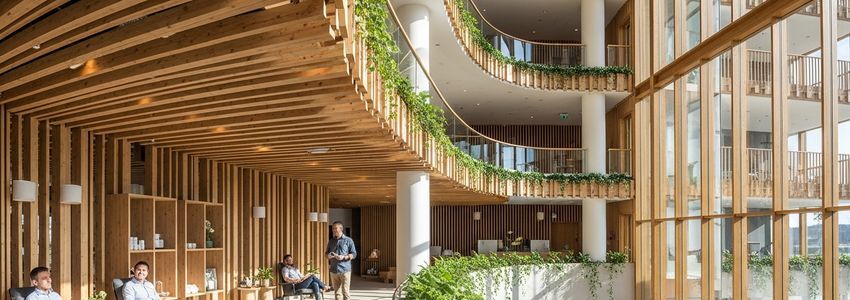
The hospitality industry is undergoing a significant transformation, driven by a new generation of travelers who prioritize health and wellness above all else. This seismic shift has created a powerful and profitable niche for hotel brands that cater to this growing demand. At the forefront of this movement is EVEN Hotels, an innovative concept from InterContinental Hotels Group (IHG) designed from the ground up to help travelers stay on their routine while on the road. For savvy entrepreneurs and hotel investors, this presents a unique opportunity to enter a high-growth market segment. However, launching a hotel of this caliber requires substantial capital. Understanding the intricate details of the EVEN Hotels franchise cost and securing the right financing is the most critical step toward turning this vision into a reality. This comprehensive guide will walk you through every aspect of financing an EVEN Hotels franchise, from initial investment breakdowns to securing the perfect loan with a trusted partner like Crestmont Capital.
In This Article
- 1. What is EVEN Hotels? A New Frontier in Wellness Hospitality
- 2. The Ultimate Breakdown of the EVEN Hotels Franchise Cost
- 3. How to Finance Your EVEN Hotels Franchise: Key Loan Options
- 4. Are You Qualified? Lender and Franchisor Requirements for Financing
- 5. The EVEN Hotels Financing Process: A Step-by-Step Roadmap
- 6. Why Choose Crestmont Capital for Your Hotel Franchise Loan
- 7. Market Analysis: The Business Case for an EVEN Hotels Franchise
- 8. Frequently Asked Questions (FAQ) About EVEN Hotels Franchise Loans
1. What is EVEN Hotels? A New Frontier in Wellness Hospitality
Before diving into the financial complexities, it’s essential to understand what makes EVEN Hotels such a compelling franchise opportunity. Launched by IHG in 2012, EVEN Hotels was one of the first major hotel brands built entirely around the concept of wellness. This isn't just a hotel with a better-than-average gym; it's an integrated ecosystem designed to help guests maintain their health and wellness routines-or even enhance them-while traveling.
The brand's core mission is to enable wellness on the traveler's own terms. It achieves this through four key pillars:
- Keep Active: Every guest room includes an in-room training zone with dedicated fitness equipment like a yoga mat, resistance bands, and a foam roller. The hotels also feature a best-in-class Athletic Studio that far surpasses the typical hotel fitness center.
- Rest Easy: The brand focuses on providing a restful and rejuvenating experience with premium, natural fiber bedding, blackout shades, and calming aromatherapy elements.
- Eat Well: The food and beverage program, Cork & Kale Market and Bar, offers a menu of healthy, delicious, and convenient options that are freshly prepared and cater to various dietary needs.
- Accomplish More: Rooms are designed to be productive and comfortable workspaces, with ergonomic chairs, ample lighting, and easily accessible charging ports.
This holistic approach has resonated powerfully with a large and growing demographic of health-conscious business and leisure travelers. According to a Forbes article on wellness tourism, the market is projected to reach over a trillion dollars in the coming years, showcasing a massive consumer shift towards health-focused experiences. Travelers are no longer willing to compromise their well-being on the road, and they are actively seeking out brands like EVEN Hotels that align with their lifestyle.
Why is this a strong franchise opportunity?
Investing in an EVEN Hotels franchise means tapping into this lucrative and expanding market with the backing of one of the world's largest and most respected hotel companies, IHG. The benefits are substantial:
- Brand Recognition and Support: As part of the IHG family, which includes brands like Holiday Inn and InterContinental, you gain access to a global reservation system, a massive loyalty program (IHG One Rewards), and unparalleled marketing power. You can learn more about IHG's other brands by reading our guide to the Holiday Inn Franchise Loan.
- A Differentiated Product: In a crowded hotel market, EVEN Hotels offers a clear and unique value proposition. It doesn't compete directly with standard mid-scale or upscale hotels; it occupies a distinct niche that attracts a loyal and often higher-spending clientele.
- High Growth Potential: The wellness trend is not a fleeting fad; it's a fundamental shift in consumer behavior. By investing now, you position yourself at the forefront of this long-term trend.
- Proven Operating Model: IHG has spent over a decade refining the EVEN Hotels concept, providing franchisees with a robust playbook for operations, marketing, and guest services to maximize success.
This combination of a powerful brand, a unique market position, and a growing consumer base makes EVEN Hotels a formidable investment. The next step is to understand the financial commitment required to bring one of these innovative properties to life.
2. The Ultimate Breakdown of the EVEN Hotels Franchise Cost
Understanding the total investment is the cornerstone of planning your financing strategy. The EVEN Hotels franchise cost is significant, reflecting the high-quality construction, design, and amenities required to meet brand standards. The estimated initial investment for a new-build EVEN Hotel typically ranges from $15 million to $45 million, depending on factors like location, land costs, hotel size, and local construction market conditions.
It's crucial to recognize that this is not a single check you write. This total investment is comprised of numerous individual costs, both one-time and ongoing. Below is a detailed breakdown of the key components you can expect to encounter, based on information typically found in a Franchise Disclosure Document (FDD).
Key Financial Snapshot: EVEN Hotels
- Initial Franchise Fee: $75,000
- Total Estimated Initial Investment: $15,345,975 - $45,820,750 (for a 130-room new-build hotel)
- Royalty Fee: 5% of Gross Room Revenue
- Marketing Fee: 3.5% of Gross Room Revenue
- Minimum Net Worth Requirement: Varies, but typically several million dollars.
- Minimum Liquidity Requirement: Varies, often $1.5 million or more.
Let's dissect the total estimated investment into more manageable categories.
Initial, One-Time Costs
These are the expenses you'll incur before your hotel opens its doors. They form the bulk of your loan request.
1. Initial Franchise Fee: ~$75,000
This is the upfront fee paid directly to IHG for the right to use the EVEN Hotels brand name, operating systems, and support network. It's a non-refundable fee due upon signing the franchise agreement. For a 130-room hotel, this is typically calculated at $750 per room, with a minimum of $75,000.
2. Real Estate and Site Improvement: $2,000,000 - $10,000,000+
This is often the most variable and substantial cost. It includes:
- Land Acquisition: The cost to purchase a suitable parcel of land in a desirable location with good visibility and accessibility. This can vary dramatically from a secondary market to a prime urban core.
- Site Work: This covers everything needed to prepare the land for construction, including grading, excavation, utility connections (water, sewer, electricity), landscaping, and paving for parking lots.
- Zoning and Permits: Fees paid to local municipalities for building permits, zoning variances, impact fees, and other regulatory approvals.
3. Construction and Development: $10,000,000 - $25,000,000+
This is the "hard cost" of building the hotel from the ground up. This figure includes all labor and materials for the physical structure, from the foundation to the roof. It also encompasses interior construction, including framing, drywall, electrical, plumbing, and HVAC systems. The final cost is heavily influenced by the size of the hotel (number of rooms and square footage), the quality of materials specified by IHG, and the prevailing labor rates in your region.
4. Furniture, Fixtures, and Equipment (FF&E): $2,500,000 - $6,000,000
This category covers everything needed to furnish the hotel and make it operational. It’s a vast and detailed list that includes:
- Guest Room FF&E: Beds, mattresses, linens, televisions, desks, chairs, in-room fitness equipment (yoga mats, weights, etc.), and casegoods (dressers, nightstands).
- Public Space FF&E: Lobby furniture, front desk, restaurant and bar seating (Cork & Kale), and decor.
- Athletic Studio Equipment: High-end commercial-grade cardio machines, strength training equipment, and free weights.
- Back-of-House Equipment: Laundry facilities, kitchen equipment, and staff area furnishings.
Financing for this specific category can sometimes be handled through specialized equipment financing loans, which use the equipment itself as collateral.
5. Technology and Systems: $400,000 - $900,000
Modern hotels are technology-driven businesses. This cost includes:
- Property Management System (PMS): The central software for reservations, billing, and guest management. IHG requires franchisees to use its proprietary Concerto system.
- Telecommunications: Hotel-wide phone systems and high-speed internet infrastructure for guests and staff.
- Security Systems: Key card locks for guest rooms, surveillance cameras, and other security measures.
- Point-of-Sale (POS) Systems: For the Cork & Kale Market and Bar.
6. Pre-Opening Expenses: $300,000 - $750,000
These are the costs incurred in the months leading up to your grand opening.
- Pre-Opening Staff Salaries: You'll need to hire and train your general manager, sales director, and other key staff well before you have paying guests.
- Initial Training Fees: Costs associated with sending your management team to IHG's mandatory training programs.
- Initial Marketing and Grand Opening: Funds for creating awareness, launching your website, and hosting a grand opening event to generate buzz.
- Initial Inventory: The first stock of food and beverage for Cork & Kale, linens, cleaning supplies, and guest room amenities.
7. Professional Fees: $250,000 - $1,000,000+
Building a hotel is a complex project that requires a team of experts. These fees include payments to:
- Architects and Engineers
- Interior Designers
- Attorneys (for franchise agreement review, real estate closing, and entity formation)
- Accountants
- Project Managers and Consultants
8. Additional Funds / Working Capital (First 3-6 Months): $500,000 - $1,500,000
Lenders and IHG will require you to have a substantial cash reserve. This is not for a specific purchase but acts as a crucial safety net. It covers operating expenses (payroll, utilities, inventory) during the initial ramp-up period before the hotel reaches stabilized occupancy and becomes self-sustaining. It ensures you can weather any unexpected delays or slower-than-projected initial revenue.
Ongoing Costs
Once your hotel is open, your financial obligations shift from one-time investment costs to recurring operational expenses. These must be factored into your long-term business plan and financial projections.
1. Royalty Fee: 5% of Gross Room Revenue
This is the primary ongoing fee paid to IHG for the continued use of the brand name and access to their systems. It's calculated as a percentage of the revenue generated from room sales only.
2. Marketing and Reservation Fee: 3.5% of Gross Room Revenue
This fee contributes to IHG's national and global marketing campaigns, the IHG One Rewards loyalty program, and the central reservation system. This collective advertising power is far more impactful than what a single independent hotel could achieve.
3. Property Taxes and Insurance: Varies Significantly
These costs are highly dependent on your location and the assessed value of your property. Commercial property insurance for a multi-million dollar asset is a major expense.
4. Salaries and Employee Benefits: Varies
This is typically the largest single operating expense for any hotel, covering wages, payroll taxes, and benefits for all staff, from management to housekeeping.
5. Utilities: Varies
This includes electricity, gas, water, sewer, and waste disposal for a large commercial building.
6. Maintenance and Supplies: Varies
Funds for the ongoing upkeep of the property (Property Improvement Plan or PIP), as well as the regular purchase of cleaning supplies, guest amenities, and other operational necessities.
The EVEN Hotels franchise cost is a substantial, multi-faceted investment. A thorough understanding of each component is the first step toward building a realistic budget and a compelling loan application.
Ready to Finance Your EVEN Hotels Franchise?
Don't let the complexity of hotel financing slow you down. At Crestmont Capital, we specialize in funding for premier hotel franchises like EVEN Hotels. Our experts can help you navigate the process and secure the capital you need to succeed.
Apply for a Hotel Loan Today3. How to Finance Your EVEN Hotels Franchise: Key Loan Options
With a total project cost running into the tens of millions, securing financing is a complex undertaking that requires a sophisticated approach. A single loan rarely covers the entire amount; more often, a combination of debt, equity, and sometimes other financing vehicles is used. As a prospective franchisee, you will be expected to contribute a significant amount of equity-typically 20% to 30% of the total project cost. The remaining 70% to 80% is covered by debt financing.
Here are the primary types of hotel business loans available for an EVEN Hotels franchise project.
1. SBA Loans (SBA 7(a) and 504)
The U.S. Small Business Administration (SBA) offers government-guaranteed loan programs that are very popular for franchise financing. While the maximum loan amount for these programs can be a limiting factor for a large-scale hotel project, they can be an excellent component of a larger financing package.
SBA 7(a) Loan Program
- Maximum Loan Amount: Up to $5 million.
- Use of Funds: Highly versatile. Can be used for real estate purchase, construction, equipment, working capital, and even refinancing existing debt.
- Key Advantage: The government guarantee (typically 75-85%) reduces the risk for lenders, which can lead to more favorable terms, lower down payments (as low as 10-20% in some cases), and longer repayment periods (up to 25 years for real estate).
- How it Applies to EVEN Hotels: While $5 million won't cover the entire project, an SBA 7(a) loan can be a fantastic piece of the "capital stack." It could be used to finance the FF&E and working capital portion of the project, while a larger conventional loan covers the real estate and construction.
SBA 504 Loan Program
- Structure: This program is specifically designed for financing major fixed assets like real estate and equipment. It involves three parties:
- A Conventional Lender (like a bank or Crestmont Capital) provides about 50% of the project cost with a first mortgage.
- A Certified Development Company (CDC), which is a non-profit partner of the SBA, provides up to 40% of the project cost with a second mortgage (backed by a 100% SBA guarantee).
- The Borrower (You) contributes as little as 10% equity. For special-purpose properties like hotels, the equity requirement is typically 15%.
- Maximum Loan Amount: The CDC portion is typically capped at $5 million (or $5.5 million for certain manufacturing or energy-efficient projects), but there is no limit on the total project size.
- Key Advantage: Offers long-term, fixed-rate financing for the CDC portion of the loan, which is very attractive for long-term stability. The low equity injection of 15% is also a major benefit.
- How it Applies to EVEN Hotels: An SBA 504 loan is an almost perfect fit for hotel construction. For a $20 million project, you might inject $3 million (15%), a bank would provide a $10 million first mortgage, and a CDC would provide a $7 million second mortgage (using two $3.5M projects, or other structures). This is a common and effective way to structure large franchise deals.
Crestmont Capital is an expert in navigating the complexities of SBA loans. You can learn more about these programs on the official SBA.gov website.
2. Conventional Commercial Loans
This is the most traditional form of financing, obtained directly from a bank, credit union, or a direct lender like Crestmont Capital.
- Structure: A single loan from one institution to cover a large portion of the project cost.
- Loan-to-Cost (LTC) Ratio: For hotel construction, lenders typically finance 65-75% of the total project cost. This means you would need to provide 25-35% in cash equity.
- Terms: Repayment terms are often shorter than SBA loans, typically with a 20-25 year amortization schedule and a balloon payment due after 5, 7, or 10 years, at which point the loan must be refinanced. Interest rates can be fixed or variable.
- Key Advantage: The process can be faster and more straightforward than an SBA loan, with fewer government regulations. There is also no cap on the loan amount, making it suitable for covering the entire debt portion of a multi-million dollar EVEN Hotels project.
- Considerations: Qualification standards are very high. Lenders will require excellent credit, significant liquidity, a strong business plan, and preferably, direct experience in hotel development or management.
3. CMBS (Commercial Mortgage-Backed Securities) Loans
CMBS loans, also known as conduit loans, are a type of commercial real estate financing that is pooled with other loans and then sold to investors on the secondary market.
- Structure: These are non-recourse loans, meaning the property itself is the only collateral. The lender cannot pursue your personal assets in the event of a default.
- Terms: Typically offer fixed interest rates for terms of 5, 7, or 10 years.
- Key Advantage: The non-recourse feature is a significant benefit for high-net-worth individuals who want to protect their personal assets. They can also offer higher leverage (up to 75% LTV) and competitive interest rates.
- Considerations: CMBS loans have stringent prepayment penalties (known as defeasance or yield maintenance), making them inflexible if you want to sell or refinance early. The underwriting and closing process can be lengthy and complex. They are generally used for stabilized properties, making them a better option for refinancing a hotel after it has been open and operating for a few years, rather than for initial construction.
4. Mezzanine Financing and Preferred Equity
When there's a gap between the senior debt (from a conventional or SBA loan) and the equity you can contribute, mezzanine financing or preferred equity can bridge it.
- Structure: This is a hybrid of debt and equity. It is a subordinate loan, meaning it sits behind the primary mortgage in priority of repayment. In case of default, the senior lender gets paid back first.
- Terms: Because of the higher risk, mezzanine loans carry much higher interest rates than senior debt. They may also include an "equity kicker," which gives the lender a small ownership stake in the property.
- How it Applies to EVEN Hotels: Imagine a $20 million project. A conventional lender offers a $14 million loan (70% LTC), but you only have $4 million in equity (20%). You have a $2 million gap. A mezzanine lender could provide that $2 million to complete the financing package. This allows you to move forward with the project without having to raise more of your own cash, but at a higher overall cost of capital.
Choosing the right financing structure is as important as choosing the right hotel brand. It's often a combination of these options that works best. A specialist in small business loans and commercial real estate, like Crestmont Capital, can help you analyze your situation and build the optimal capital stack for your EVEN Hotels project.

4. Are You Qualified? Lender and Franchisor Requirements for Financing
Both IHG (the franchisor) and your chosen lender will have a rigorous set of qualifications you must meet before being approved. They are investing heavily in your success-IHG with its brand reputation and the lender with millions of dollars-so they need to be confident in your ability to execute the project and operate the business profitably.
While specific requirements can vary, they generally fall into three main categories: Financial Strength, Experience, and a Comprehensive Business Plan.
Financial Strength Requirements
Lenders need to see that you have the financial capacity to not only contribute a significant amount of equity but also to withstand potential challenges during construction and the initial operating period.
- High Net Worth: For a project of this scale, lenders and IHG will want to see a minimum net worth of several million dollars. This is often calculated as your total assets minus your total liabilities. A common requirement is a net worth equal to or greater than the total loan amount being requested.
- Significant Liquidity: This refers to your cash and other assets that can be quickly converted to cash (like stocks and bonds). You will be required to have substantial liquid capital, often in the range of $1.5 million to $5 million or more. This serves multiple purposes:
- It covers your required equity injection (20-30% of the project cost).
- It provides the required post-closing liquidity or working capital reserves that the lender will mandate.
- It demonstrates to both parties that you have a financial cushion to handle unexpected cost overruns or a slow start to the business.
- Excellent Credit Score: A strong personal and business credit history is non-negotiable. For a multi-million dollar loan, lenders will typically look for a personal credit score of 720 or higher. A clean credit report with no recent bankruptcies, foreclosures, or major delinquencies is essential. While options for bad credit business loans exist for smaller amounts, they are generally not applicable to large-scale hotel construction financing.
- Strong Cash Flow and Low Debt-to-Income Ratio: Lenders will analyze your personal financial statements and tax returns to see that you have stable income from other sources and are not over-leveraged with personal debt.
Pro Tip: The Importance of a Global Financial Statement
Prepare a detailed and professionally organized Personal Financial Statement (PFS) that lists all your assets and liabilities. This is one of the first documents a lender will ask for. Having it ready, accurate, and supported by documentation (like bank and brokerage statements) will make a strong first impression and streamline the pre-qualification process.
Industry Experience and Management Team
For a complex operation like a hotel, financial strength alone is not enough. IHG and lenders need to see a clear path to operational excellence.
- Direct Hospitality Experience: Ideally, you or a key principal in your ownership group will have prior experience in hotel development, ownership, or management. This track record provides immense comfort to lenders, as it proves you understand the unique challenges and opportunities of the industry. Other IHG franchise experience, such as owning a Baymont Inn & Suites or a La Quinta Inn, would be a significant plus.
- Professional Third-Party Management: If you do not have direct hotel management experience, the solution is to hire a reputable and IHG-approved third-party hotel management company. This is often a requirement from both the franchisor and the lender. The management company's track record, experience with similar brands, and financial stability will be heavily scrutinized as part of your application.
- Strong Local Market Knowledge: Demonstrating a deep understanding of the local real estate market, demand generators (like nearby corporate offices, universities, or attractions), and competitive landscape is crucial.
A Comprehensive and Convincing Business Plan
Your business plan is the narrative that ties your financial strength and experience together. It's the blueprint for your project and a critical tool for convincing lenders and IHG of its viability. It should include:
- Executive Summary: A concise overview of the entire project.
- Project Description: Details about the proposed EVEN Hotel, including the number of rooms, amenities, and total square footage.
- Market Analysis: In-depth research on the local market, target demographic, competitive hotels (including their rates and occupancy), and why an EVEN Hotel is needed in this specific location.
- Management Plan: Details on your ownership structure and the resume of your proposed general manager or the portfolio of your chosen third-party management company.
- Marketing and Sales Strategy: How you plan to attract guests and ramp up occupancy.
- Detailed Financial Projections: This is the most scrutinized section. It must include:
- A detailed sources and uses of funds statement, outlining every project cost and how it will be paid for (your equity vs. the loan).
- A pro-forma profit and loss statement for the first 5-10 years of operation, with realistic assumptions for occupancy rates, average daily rate (ADR), revenue per available room (RevPAR), and operating expenses.
- A cash flow analysis and balance sheet projections.
Meeting these stringent qualifications is a prerequisite for securing the tens of millions of dollars needed to build an EVEN Hotel. It's a high bar, but it ensures that only well-capitalized and well-prepared operators are approved, which ultimately protects the integrity of the brand and the investments of all parties involved.
Find Out if You Qualify in Minutes
The first step is understanding your financing potential. Crestmont Capital offers a fast and simple pre-qualification process. Connect with our hotel financing specialists to discuss your project and see what's possible.
Get Pre-Qualified Now5. The EVEN Hotels Financing Process: A Step-by-Step Roadmap
Securing a multi-million dollar construction loan for a hotel is a marathon, not a sprint. The process is detailed, document-intensive, and requires patience and organization. Understanding the typical lifecycle of a loan application will help you prepare effectively and manage your expectations. Here is a step-by-step roadmap from initial inquiry to funding.
The Hotel Financing Journey
Preparation & Pre-Qualification
Gather financial documents (PFS, tax returns), create a business plan, and get pre-qualified with a lender like Crestmont Capital.
Franchise & Site Approval
Submit your application to IHG. Secure franchise approval and select a site that meets IHG's and your lender's criteria.
Loan Application & Underwriting
Submit a full loan package. The lender performs deep due diligence on you, the project, and the market.
Commitment & Closing
Receive a formal loan commitment letter. Work with attorneys to finalize legal documents and close the loan.
Funding & Construction
Funds are disbursed in draws as construction milestones are met. The project begins!
Step 1: Initial Preparation and Lender Pre-Qualification (1-4 Weeks)
This is the foundational phase where you do your homework.
- Organize Your Financials: Compile your last 3 years of personal and business tax returns, create a detailed Personal Financial Statement, and gather bank and brokerage statements.
- Develop Your Business Plan: Draft the comprehensive business plan outlined in the previous section.
- Consult with a Lender: Engage with a hotel financing specialist at Crestmont Capital. This initial conversation is crucial. We will review your financial profile and project idea to give you a realistic assessment of your borrowing capacity and the likely loan terms. This results in a non-binding pre-qualification letter, which is essential for showing IHG that you are a serious and credible candidate.
Step 2: Franchise Application and Site Selection (2-6 Months)
With a pre-qualification in hand, you can formally approach IHG.
- Submit Franchise Application: You will submit your application package, including your business plan and financial statements, to IHG's development team.
- Franchise Disclosure Document (FDD) Review: Upon preliminary approval, you will receive the FDD. This is a lengthy legal document containing all the details about the franchise system. You should review this carefully with an experienced franchise attorney.
- Site Identification and Approval: You will work with real estate brokers and IHG's team to identify a suitable location for your hotel. IHG must approve the site before you can proceed.
- Sign Franchise Agreement: Once the site is approved and you are ready to commit, you will sign the franchise agreement and pay the initial $75,000 franchise fee.
Step 3: Formal Loan Application and Underwriting (6-12 Weeks)
This is the most intensive part of the process where the lender conducts its formal due diligence.
- Submit Full Loan Package: You will provide the lender with a complete package, including the signed franchise agreement, architectural plans, construction budget, third-party reports, and all your detailed financial information.
- Third-Party Reports: The lender will order several critical reports, which you will pay for. These include:
- Feasibility Study: A report by a hospitality consulting firm that validates your market analysis and financial projections.
- Appraisal: A formal appraisal of the "as-complete" value of the proposed hotel. The loan amount will be based on the lesser of the total project cost or the appraised value.
- Environmental Report (Phase I ESA): To ensure the land is free of any environmental contamination.
- Credit Analysis: The lender's underwriting team will perform a deep dive into your credit, financials, the project's economics, and the strength of the market. They will stress-test your financial projections to ensure the property can generate enough cash flow to cover the debt service, even in a downturn.
Step 4: Loan Committee Approval and Commitment Letter (1-2 Weeks)
If the underwriting is successful, your loan request will be presented to the lender's loan committee for final approval.
- Loan Committee Review: The committee makes the final decision on whether to approve the loan and under what specific terms.
- Issuance of Commitment Letter: Upon approval, you will receive a formal commitment letter. This is a legally binding document that outlines all the terms and conditions of the loan, including the interest rate, term, fees, and any covenants you must adhere to. You will sign this and pay a commitment fee to accept the offer.
Step 5: Closing and Funding (3-6 Weeks)
This is the final legal phase before construction can begin.
- Legal Documentation: The lender's attorneys will draft all the necessary loan documents, including the promissory note, mortgage, and loan agreement. Your attorney will review these documents.
- Title and Insurance: You will secure title insurance for the property and provide proof of builder's risk and liability insurance.
- Closing: All parties meet to sign the final documents. You will make your equity contribution at this time.
- Funding: The loan is officially "funded." For a construction loan, the funds are not disbursed as a lump sum. Instead, they are placed in an account and released in "draws" throughout the construction process as specific milestones are completed and verified by an inspector.
The entire process, from initial conversation to the first construction draw, can take anywhere from 6 to 12 months. Staying organized, being responsive to requests for information, and working with an experienced lender who understands the hotel industry are key to navigating this complex journey successfully.
6. Why Choose Crestmont Capital for Your Hotel Franchise Loan
Choosing your lending partner is one of the most important decisions you will make in your journey to becoming an EVEN Hotels franchise owner. The right lender is more than just a source of capital; they are a strategic partner who understands the nuances of the hospitality industry and can provide the guidance and flexible solutions needed to bring your project to fruition. Crestmont Capital, as the #1 U.S. business lender, is uniquely positioned to be that partner.
Here’s why entrepreneurs and hotel developers across the country trust Crestmont Capital for their financing needs:
1. Deep Expertise in Hotel and Franchise Financing
We are not generalist lenders. We have a dedicated team of financing experts who specialize in the hospitality sector. We understand the unique cash flow cycles, operational complexities, and brand requirements associated with hotel franchising.
- We Speak the Language: We know what RevPAR, ADR, and Occupancy mean and how they drive a hotel's success. We understand the importance of a PIP and the value of a strong brand like EVEN Hotels.
- IHG Familiarity: We have experience working with major franchisors like IHG. We understand their requirements and what they look for in a franchisee's financial partner, which can help streamline the approval process.
- Creative Structuring: We know that one size does not fit all. Whether your project is best suited for an SBA 504 loan, a large conventional construction loan, or a combination of financing vehicles, we have the expertise to structure the optimal capital stack that maximizes your leverage and preserves your cash.
2. Access to a Broad Spectrum of Loan Products
Unlike a traditional bank that may only offer one or two types of loans, Crestmont Capital is a direct lender with access to a vast network of capital sources. This allows us to find the perfect financing solution for your specific needs. We offer a full suite of products relevant to hotel development:
- SBA 7(a) and 504 Loans
- Conventional Construction and Real Estate Loans
- Equipment Financing and Leasing
- Business Lines of Credit for working capital
- Bridge Loans and Permanent Financing
This diverse portfolio means we can finance your EVEN Hotels project from the ground up, from the initial construction loan to permanent financing once the hotel is stabilized.
3. Speed and Efficiency
In the world of real estate development, time is money. Delays in financing can lead to missed opportunities and increased costs. At Crestmont Capital, we have streamlined our processes to provide a faster, more efficient experience.
- Quick Pre-Approvals: We can provide a clear and reliable pre-qualification quickly, giving you the confidence and credibility to move forward with IHG and site selection.
- Dedicated Support: You will work with a single point of contact throughout the entire process. This dedicated relationship manager will guide you, answer your questions, and proactively manage your application to avoid unnecessary delays. We pride ourselves on providing some of the most fast business loans in the industry.
4. A True Partnership Approach
We view our clients as long-term partners, not just transactions. Our goal is to help you succeed not only in building your first EVEN Hotel but in growing your entire hospitality portfolio.
- Consultative Guidance: We take the time to understand your vision, your financial situation, and your long-term goals. We provide honest, transparent advice to help you make informed decisions.
- Focus on Your Success: Our success is directly tied to yours. We work diligently to secure the most favorable terms possible for your loan, ensuring that your project is financially sustainable from day one.
- Building for the Future: As you build and stabilize your EVEN Hotel, we will be there to assist with refinancing, financing for renovations, or providing capital for your next hotel acquisition or development project.
Building an EVEN Hotel is a monumental undertaking. You need a financial partner with the experience, resources, and commitment to match your ambition. Crestmont Capital is that partner.
Experience the Crestmont Capital Difference
Let us show you why we're the #1 U.S. business lender. Start a conversation with our hotel financing team today and take the first concrete step towards owning your EVEN Hotels franchise.
Partner With Us Today7. Market Analysis: The Business Case for an EVEN Hotels Franchise
A successful hotel investment relies on more than just a strong brand and a solid financial plan; it requires entering the right market at the right time. The business case for investing in an EVEN Hotels franchise is exceptionally strong, rooted in powerful, long-term consumer trends and a well-defined market niche.
The Explosion of the Wellness Economy
The single most significant tailwind for the EVEN Hotels brand is the global explosion of the wellness industry. As highlighted by business publications like CNBC, consumers are increasingly integrating health and wellness into every aspect of their lives, from the food they eat to the products they buy and the places they travel.
- Wellness Tourism is Booming: This isn't just about spa vacations. Wellness tourism encompasses any travel that involves maintaining or enhancing one's personal well-being. This includes business travelers who want to maintain their workout routine, families who prefer healthy food options, and leisure travelers seeking a rejuvenating escape. The Global Wellness Institute values this market at hundreds of billions of dollars and projects continued robust growth.
- A Non-Negotiable for Modern Travelers: For a growing segment of the population, particularly Millennials and Gen Z, wellness is not a luxury; it's a core value. They expect their travel experiences to reflect this. A hotel that forces them to abandon their healthy habits is a non-starter. EVEN Hotels directly meets this non-negotiable demand.
- Willingness to Pay a Premium: Consumers consistently demonstrate a willingness to pay more for products and services that support their health. This allows wellness-focused hotels like EVEN to command a higher Average Daily Rate (ADR) compared to standard hotels in the same market, leading to stronger profitability.
Target Demographic: The Health-Conscious Traveler
EVEN Hotels has a very clear and attractive target audience.
- The Modern Business Traveler: The days of the steak-and-martini road warrior are fading. Today's business travelers are focused on performance and productivity, which they know is directly linked to their well-being. They need a hotel that provides healthy food for brainpower, a great gym to de-stress, and a restful environment to recharge for the next day's big meeting. EVEN Hotels is purpose-built for this demographic.
- Active Leisure Travelers: This group includes everyone from marathon runners in town for a race to families who prioritize an active lifestyle. They are drawn to the in-room fitness options, the high-quality Athletic Studio, and the healthy menu at Cork & Kale.
- Corporate Wellness Programs: As more companies invest in corporate wellness programs, they are actively seeking out hotel partners that align with their goals. An EVEN Hotel can become the preferred property for companies that want to ensure their traveling employees stay healthy and productive.
Competitive Positioning and Performance
EVEN Hotels occupies a unique and defensible position in the hospitality landscape.
- A Clear Differentiator: While many hotel brands have tried to "add" wellness by upgrading their gyms or adding a healthy item to the menu, EVEN Hotels is different. Wellness is woven into the DNA of the brand, from the cork flooring in the fitness zones to the all-natural eucalyptus linens. This authenticity is difficult for competitors to replicate and creates a powerful brand identity.
- Limited Direct Competition: While other wellness-focused brands exist (like Westin's Heavenly brand or Hyatt's Miraval), EVEN Hotels operates in a more accessible upscale/upper-midscale segment, creating a broader market appeal. In many markets, an EVEN Hotel will be the only property of its kind, giving it a significant competitive advantage. -
- Strong Performance Metrics: As a part of the IHG system, EVEN Hotels benefits from a powerful distribution and loyalty engine. While specific property performance varies, the brand's unique appeal often allows it to achieve high guest satisfaction scores and build a loyal following, leading to strong and stable occupancy rates and RevPAR (Revenue Per Available Room).
Investing in an EVEN Hotels franchise is a strategic move to capitalize on one of the most significant and enduring consumer trends of our time. It's a forward-looking investment that aligns with the values of the modern traveler, creating a strong foundation for long-term profitability and success.
8. Frequently Asked Questions (FAQ) About EVEN Hotels Franchise Loans
1. What is the total initial investment for an EVEN Hotels franchise?
2. How much is the EVEN Hotels initial franchise fee?
3. What are the ongoing royalty and marketing fees?
4. How much cash or liquidity do I need to qualify for a loan?
5. What kind of credit score is required for an EVEN Hotels franchise loan?
6. Can I use an SBA loan to finance an EVEN Hotel?
7. Do I need previous hotel ownership experience to be approved?
8. How long does the entire financing process take?
9. What is a "capital stack" in hotel financing?
10. What is a feasibility study and why is it required?
11. What is the difference between a construction loan and a permanent loan?
12. Can I finance the FF&E (Furniture, Fixtures & Equipment) separately?
13. What is IHG's role in the financing process?
14. How much working capital will I need after the hotel opens?
15. Why should I work with a lender like Crestmont Capital instead of just my local bank?
Your Next Steps
Embarking on the journey to open an EVEN Hotels franchise is an exciting and ambitious venture. With the wellness industry's continued growth and IHG's powerful brand support, the potential for success is immense. However, the path from vision to reality is paved with careful financial planning and strategic execution.
- Conduct a Thorough Self-Assessment: Honestly evaluate your financial position, liquidity, net worth, and relevant experience against the requirements outlined in this guide.
- Assemble Your Professional Team: Begin identifying potential partners, including a franchise attorney, an accountant with hospitality experience, and a potential third-party management company.
- Contact Crestmont Capital: The most critical next step is to understand your financing options. Reach out to our hotel financing specialists for a no-obligation consultation. We can provide a pre-qualification that will strengthen your franchise application and give you a clear roadmap for the capital you'll need.
Don't let the financial complexity deter you from this incredible opportunity. With the right partner by your side, securing an EVEN Hotels franchise loan is an achievable goal. Let Crestmont Capital help you build your future in wellness hospitality.
Disclaimer: The information provided in this article is for general educational purposes only and is not financial, legal, or tax advice. Funding terms, qualifications, and product availability may vary and are subject to change without notice. Crestmont Capital does not guarantee approval, rates, or specific outcomes. For personalized information about your business funding options, contact our team directly.