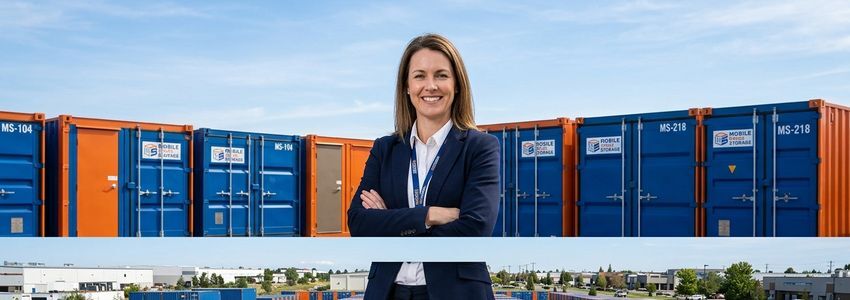
The portable storage industry is booming. From residential moves and construction site storage to commercial inventory management and military logistics, demand for storage containers has never been higher. If you own or are growing a portable storage company, you understand that scaling the business means acquiring more containers, expanding your fleet of trucks, upgrading your software, or securing larger commercial lots. All of that costs capital. A storage container business loan gives you the funding to grow without depleting your cash reserves or slowing your operations.
Whether you need $50,000 to purchase additional portable units or $500,000 to expand into a new market, the right financing structure can make the difference between stagnation and significant growth. This guide covers every major financing option available to storage container businesses, what lenders look for, how to qualify, and how Crestmont Capital helps business owners in this niche secure the funding they need to compete.
In This Article
- What Is a Storage Container Business Loan?
- Why Portable Storage Companies Need Financing
- Types of Financing for Storage Container Businesses
- How the Loan Process Works
- Storage Container Industry: By the Numbers
- Who Qualifies for a Storage Container Business Loan?
- How Crestmont Capital Helps
- Real-World Scenarios
- Comparing Your Financing Options
- Frequently Asked Questions
- How to Get Started
What Is a Storage Container Business Loan?
A storage container business loan is any form of business financing that a portable or mobile storage company uses to fund operations, purchase assets, or manage growth. These loans are not industry-specific products created by banks for storage companies alone. Rather, they are standard business financing products - term loans, equipment loans, lines of credit, SBA loans, and others - that storage companies apply for and use to meet their specific capital needs.
The term "storage container business loan" covers a wide range of funding situations. It might mean purchasing 50 new portable storage units to fulfill a surge in customer demand. It might mean financing the trucks and trailers needed to deliver containers to job sites. It could mean a working capital line to bridge a slow quarter or pay drivers while waiting on invoices to clear. Whatever the growth challenge, there is a financing product designed to address it.
The portable storage industry includes companies that rent out portable containers for residential moving, commercial storage, construction site use, disaster recovery, and military or government logistics. These businesses typically maintain a fleet of containers and the equipment needed to transport, place, and retrieve them. Capital requirements are substantial at every stage of growth.
Industry Insight: According to industry research, the portable storage container market in the United States generates over $1 billion in annual revenue, with demand driven by e-commerce growth, residential mobility trends, and ongoing construction activity across major metro areas. Companies that can scale their container fleets quickly tend to capture the most business in this high-demand market.
Why Portable Storage Companies Need Financing
The portable storage business is capital intensive. Unlike service businesses that require little more than labor and a vehicle, storage companies must maintain a substantial physical inventory of containers - each one costing between $1,500 and $5,000 new, and potentially much more for specialized units. Add in the trucks, flatbeds, and hydraulic equipment needed to move them, and the upfront cost of building a competitive operation becomes significant.
Here are the most common reasons portable storage companies seek business financing:
- Purchasing new storage containers: Standard 8x20 and 8x40 portable storage units represent the core asset of the business. Growing your fleet means growing your revenue capacity.
- Buying or upgrading delivery trucks and trailers: Tilt-bed trucks, roll-off trucks, and flatbed trailers are essential to delivering and retrieving containers. These vehicles cost $60,000-$150,000 or more.
- Securing commercial storage lots: Businesses need secure, accessible lots to stage containers when they are not on rent. Leasing or purchasing commercial real estate requires capital.
- Funding marketing and customer acquisition: Competing against national brands like PODS or 1-800-PACK-RAT requires investment in digital marketing, local advertising, and customer relationship tools.
- Hiring and training staff: Drivers, customer service representatives, and operations staff must be onboarded during growth phases before revenue catches up.
- Managing seasonal cash flow gaps: Portable storage demand peaks in summer and dips in winter. A line of credit or working capital loan helps bridge the slow seasons.
- Expanding to new markets or geographic territories: Moving into a new city or region requires capital for equipment transport, local marketing, licensing, and initial operating costs.
Ready to Fund Your Storage Business Growth?
Get fast, flexible financing designed for the portable storage industry. Apply online in minutes with no obligation.
Apply Now →Types of Financing for Storage Container Businesses
Not all business loans are created equal, and the right financing structure for your storage company depends on how you plan to use the funds, how quickly you need them, and your company's financial profile. Here are the most common loan types available to portable storage businesses.
Equipment Financing
Equipment financing is one of the most natural fits for portable storage companies because storage containers, trucks, and trailers are all physical assets with strong resale value. With equipment financing, the asset itself serves as collateral for the loan, which means you can often borrow a higher percentage of the asset's value at competitive rates - even if your credit profile is not perfect.
Typical equipment loan terms range from 24 to 84 months, with loan amounts starting around $10,000 and going well into the millions for large fleet purchases. Interest rates vary based on your credit score, time in business, and revenue, but equipment loans are generally among the most affordable business financing options because of the collateral involved.
SBA Loans
SBA loans are government-backed loans administered through private lenders. For established storage container businesses with at least two years in operation and solid financials, the SBA 7(a) loan is an excellent option. Loan amounts go up to $5 million, terms extend to 10 years for working capital and up to 25 years for real estate, and interest rates are capped by the SBA - meaning you get institutional-quality financing at rates competitive with bank loans.
The SBA 7(a) is ideal for storage companies looking to purchase significant equipment, acquire a competitor, purchase commercial property for container staging, or fund a major market expansion. The application process is more involved than other loan types, but the favorable terms make it worth the effort for qualifying businesses.
Term Loans
Small business term loans provide a lump sum of capital repaid over a fixed schedule with a set interest rate. These are flexible in use - you can deploy a term loan to buy containers, pay for a marketing campaign, hire staff, or any other business purpose. Terms typically range from 1 to 5 years for shorter-term needs, and rates are based on your creditworthiness and lender relationship.
Term loans work well when you have a specific capital need with a clear return on investment. For example, if you know that adding 30 new containers will generate $15,000 in additional monthly rental revenue, a term loan with a $1,200 monthly payment is a straightforward business decision.
Business Line of Credit
A business line of credit gives you revolving access to a predetermined credit limit. You draw funds when you need them, repay them, and the credit becomes available again. For storage companies dealing with seasonal cash flow variability or unpredictable operational expenses, a line of credit provides crucial financial flexibility without the commitment of a term loan.
Lines of credit are ideal for covering payroll during slow months, handling unexpected equipment repairs, funding a short-term marketing push, or paying vendors while waiting on customer payments. They are not ideal for large capital purchases like buying a fleet of containers - a term loan or equipment loan is better suited for that.
Working Capital Loans
Working capital loans are short-term loans designed to fund day-to-day operations rather than long-term assets. If your storage business has strong revenue but is experiencing a temporary cash gap - perhaps due to a large client with slow-paying invoices or a seasonal revenue dip - a working capital loan can bridge the shortfall and keep operations running smoothly.
Unsecured working capital loans do not require collateral, which means faster approvals and less documentation. They typically come with shorter repayment terms (3-24 months) and higher rates than secured options, but the speed and flexibility can be worth the premium in the right situation.
Revenue-Based Financing
Revenue-based financing provides capital in exchange for a percentage of future monthly revenue until the advance is repaid plus a fee. This structure works well for storage companies with strong monthly revenue but imperfect credit or limited time in business. Repayments flex with your revenue - when business is strong, you pay more; during slower periods, payments decrease proportionally.
How the Loan Process Works
Applying for a storage container business loan follows a straightforward process, though the specific steps vary depending on the loan type. Here is what you can generally expect:
Step 1 - Assess your capital needs: Before applying, identify precisely what you need funding for, how much, and what return you expect. Lenders want to see that you have a clear purpose for the funds and a realistic plan to repay.
Step 2 - Gather your financial documents: Most lenders require 3-6 months of business bank statements, recent business and personal tax returns, a profit and loss statement, and basic business information (EIN, business license, time in operation).
Step 3 - Submit your application: With Crestmont Capital, the online application takes just a few minutes. A specialist will contact you to discuss your options and match you with the financing product best suited to your situation.
Step 4 - Underwriting and approval: Lenders review your application, credit profile, and financial documents. For equipment loans and term loans secured by assets, approvals can happen in 24-72 hours. SBA loans take longer - typically 30-90 days.
Step 5 - Receive funding: Once approved and documents are signed, funds are typically deposited directly to your business bank account. Equipment loans may involve the lender paying the seller directly.
By the Numbers
Storage Container Industry - Key Statistics
$1B+
Annual U.S. portable storage market revenue
6.8%
Projected annual industry growth rate through 2028
$3,500
Average cost of a new 20-ft portable storage unit
72 hrs
Typical approval timeline with Crestmont Capital
Who Qualifies for a Storage Container Business Loan?
Qualification requirements vary depending on the loan type and the lender. However, most business financing products for storage companies require the following baseline profile:
- Time in business: Most lenders want to see at least 6-12 months of business history. SBA loans typically require 2+ years. Some alternative lenders will work with newer companies with strong revenue.
- Annual revenue: Minimum revenue thresholds typically start around $100,000 annually for working capital products and $250,000+ for larger equipment or term loans.
- Credit score: Conventional lenders prefer personal credit scores of 650 or higher. Alternative lenders work with scores as low as 500-550. Equipment loans often have more lenient credit requirements due to collateral.
- Cash flow: Lenders want to see that your business generates enough monthly cash flow to comfortably cover new loan payments. A debt service coverage ratio (DSCR) of 1.25 or higher is generally preferred.
- Business bank account: All business financing requires a dedicated business bank account. Lenders typically review 3-6 months of statements.
If your storage company does not meet all these thresholds yet, do not assume financing is out of reach. Lenders like Crestmont Capital work with a wide range of business profiles and can often find solutions for companies with less-than-perfect financials. Even if you have been declined elsewhere, it is worth applying - the right lender may see your business differently.
Credit Note: Storage container companies often have an advantage in equipment financing because the containers and trucks themselves serve as strong collateral. Even business owners with lower credit scores can qualify for equipment-backed financing when the asset has solid resale value. Reach out to Crestmont Capital to explore your options regardless of your credit profile.
How Crestmont Capital Helps Storage Container Businesses
Crestmont Capital is a direct business lender rated #1 in the United States. We specialize in helping business owners in asset-heavy, revenue-generating industries - including the portable storage sector - access the capital they need to grow. Unlike traditional banks that apply rigid credit scoring formulas, Crestmont Capital evaluates the full picture of your business: revenue trends, asset base, industry growth potential, and your track record as an operator.
When you work with Crestmont Capital, you get a dedicated financing specialist who understands the storage container business. We know the economics of renting portable units, the capital intensity of maintaining a truck fleet, and the seasonal dynamics that affect cash flow. That context means we can structure financing that actually works for your situation - not just a generic loan product applied to your industry.
Our financing solutions for storage container companies include:
- Equipment financing for portable storage units, flatbed trucks, tilt-bed trucks, and trailers
- Term loans for fleet expansion, market entry, or facility upgrades
- Business lines of credit for seasonal cash flow management and working capital
- SBA loans for established companies seeking long-term, low-rate financing
- Working capital loans for immediate operational needs
We work with storage companies at every stage of growth - from owner-operators with a small fleet seeking their first expansion loan to multi-location operators looking to acquire a competitor or enter a new state market. If you need fast business loan funding to act on a growth opportunity before it passes, we can often deliver a decision within 24 hours and fund within days of approval.
Speak with a Storage Industry Financing Specialist
Our team understands the portable storage business. Get matched with the right loan product for your fleet expansion, equipment purchase, or cash flow needs.
Apply Now →Real-World Scenarios: How Storage Companies Use Business Loans
Understanding how other storage container businesses have used financing can help you identify the right approach for your own growth goals. Here are six representative scenarios:
Scenario 1: Fleet Expansion to Meet Demand Surge
A portable storage company in the Southeast had a backlog of residential customers on a waitlist because they had exhausted their available container inventory. They applied for a $180,000 equipment loan to purchase 50 additional 8x20 units. The loan was approved in three days, the containers were delivered within two weeks, and the company cleared its waitlist while adding $22,000 in new monthly recurring rental revenue - more than enough to cover the loan payment.
Scenario 2: Truck Replacement After Breakdown
A storage operator in the Midwest suffered an unexpected breakdown on their primary delivery truck during peak moving season. A traditional bank loan would have taken weeks. They secured a same-day equipment financing approval through Crestmont Capital, purchased a replacement tilt-bed truck within 48 hours, and avoided losing an estimated $40,000 in summer rental revenue due to delivery delays.
Scenario 3: Seasonal Cash Flow Management
A family-owned portable storage business in a northern market saw revenue drop sharply every winter as construction slowed and residential moves declined. Rather than drawing down savings to cover payroll and lot rent during slow months, they established a $75,000 business line of credit in the fall. They drew on it as needed during the winter, repaid it fully by June, and preserved their savings for opportunities requiring cash down payments.
Scenario 4: Market Expansion to New City
A storage company with a strong single-market operation wanted to launch in a second city 200 miles away. The cost included transporting containers to the new area, leasing a staging lot, hiring a local driver, and running a digital marketing campaign to establish brand presence. An SBA 7(a) loan for $350,000 at a competitive rate gave them the 18-month runway to establish the new market before it became fully self-funding.
Scenario 5: Acquiring a Competitor
When a competing portable storage operator in the same region decided to retire, an established storage business saw an opportunity to acquire their fleet of 80 containers and their existing customer list. A business acquisition loan through Crestmont Capital funded the purchase, instantly doubling the acquirer's fleet size and adding a substantial base of existing rental revenue from day one.
Scenario 6: Technology and Software Upgrade
A growing storage company was managing container inventory, scheduling, billing, and customer communications on spreadsheets. The owner invested in a working capital loan to implement a purpose-built portable storage management software platform - reducing administrative time by 15 hours per week and enabling the team to handle twice the volume with the same headcount.
Comparing Your Financing Options
| Loan Type | Best For | Amount Range | Speed | Credit Req. |
|---|---|---|---|---|
| Equipment Financing | Containers, trucks, trailers | $10K - $2M+ | 1-3 days | 550+ |
| SBA 7(a) Loan | Large purchases, acquisitions, real estate | Up to $5M | 30-90 days | 650+ |
| Term Loan | Fleet expansion, general growth | $25K - $500K | 2-5 days | 600+ |
| Line of Credit | Seasonal cash flow, working capital | $10K - $250K | 1-3 days | 580+ |
| Working Capital Loan | Operational gaps, payroll, short-term needs | $10K - $150K | 24-48 hrs | 550+ |
| Revenue-Based Financing | High-revenue businesses with lower credit | $25K - $500K | 24-72 hrs | 500+ |
If your storage container company qualifies for multiple products, a Crestmont Capital specialist will help you compare your options and choose the structure with the best overall terms and cash flow impact for your business. Sometimes the right answer is a combination - for example, an equipment loan for the containers plus a line of credit for working capital - to fully address your capital needs without overleveraging.
Businesses that have previously taken on merchant cash advances with high factor rates may find that consolidating into a traditional term loan significantly reduces their daily or weekly payment burden. If that is your situation, explore long-term business loans as a refinancing option to lower your cost of capital and improve cash flow.
Frequently Asked Questions
What is the minimum credit score to qualify for a storage container business loan?
Credit score requirements vary by loan type and lender. Equipment financing for containers and trucks can be accessible with scores as low as 550 because the assets serve as collateral. SBA loans typically require 650 or higher. Working capital loans and lines of credit generally fall in the 560-620 range for alternative lenders. If your score is lower, Crestmont Capital can help identify the right product for your profile.
Can I get a loan to buy portable storage containers specifically?
Yes. Portable storage containers qualify for equipment financing just like commercial trucks, machinery, or other business assets. The container serves as collateral, which enables lenders to offer higher loan-to-value ratios at lower interest rates than unsecured alternatives. You can finance new or used containers, and loan amounts are available from $10,000 to several million dollars depending on your fleet acquisition size.
How long does it take to get approved for storage company financing?
Approval timelines depend on the loan type. Equipment financing and working capital loans through alternative lenders like Crestmont Capital can be approved within 24-72 hours. Traditional bank term loans take 1-2 weeks. SBA loans typically require 30-90 days due to the government guarantee process. If you need funding quickly, start with an application to Crestmont Capital and explore your fastest options first.
Do I need to provide collateral to get a storage container business loan?
Not necessarily. Equipment loans use the purchased assets (containers, trucks) as collateral automatically. SBA loans typically require a blanket lien on business assets and sometimes a personal guarantee. Working capital loans and lines of credit from alternative lenders are often unsecured, meaning no specific collateral is pledged - though a personal guarantee may still be required. Crestmont Capital offers both secured and unsecured financing options.
What documents do I need to apply for a storage company business loan?
Standard documentation includes: 3-6 months of business bank statements, most recent business and personal tax returns (1-2 years), a basic profit and loss statement, business license or formation documents, and identification. For equipment loans, you may also need a quote or invoice for the specific assets being financed. SBA loans require a full business plan, detailed financial statements, and additional documentation.
Can a startup portable storage company get financing?
Startup financing is more challenging because most lenders require a track record of business revenue. However, startups are not without options. If you have a strong personal credit score (680+) and significant personal assets, you may qualify for an SBA startup loan or equipment financing with a personal guarantee. Some alternative lenders work with businesses as young as 3-6 months if they can show emerging revenue. Crestmont Capital can assess your specific situation and identify available paths to funding.
What interest rates should I expect on a storage container business loan?
Interest rates vary widely based on your credit profile, time in business, loan type, and lender. Equipment financing rates typically range from 6% to 24% APR. SBA loan rates are currently in the 10-13% range (variable, tied to prime rate). Working capital loans from alternative lenders can range from 15% to 45% APR or higher. The best rates go to businesses with strong credit, at least 2 years in operation, and consistent revenue. A Crestmont Capital specialist can show you rate estimates based on your actual profile.
Can I use a business loan to buy used storage containers?
Yes. Used storage containers and used trucks qualify for equipment financing just like new assets. The loan-to-value ratio may be slightly lower for used equipment (lenders may finance 80-90% of appraised value vs. 100% for new), and rates may be marginally higher, but used equipment financing is widely available. Buying used containers is a common strategy for storage companies looking to scale cost-effectively.
How do I handle the seasonal nature of my storage business when applying for a loan?
Seasonal revenue is common in the portable storage industry, and lenders that specialize in small business financing are accustomed to it. When presenting your application, include 12 months of bank statements to show the full annual revenue cycle rather than just recent months. Highlight your peak-season revenue as the baseline capacity of the business. A line of credit structure is often better than a term loan for seasonal businesses because it provides flexibility to draw funds during slow periods and pay down during high-revenue months.
What is the maximum loan amount available to a storage container company?
Maximum loan amounts depend heavily on the loan type and your business financials. SBA loans go up to $5 million. Equipment financing can exceed $2 million for large fleet acquisitions. Commercial financing solutions from Crestmont Capital can reach into the multi-million dollar range for established businesses with strong revenue and asset bases. There is no universal cap - the amount you can borrow is primarily a function of your revenue, cash flow, and the strength of your collateral.
Can I get financing if my storage company has bad credit?
Yes, though your options narrow as credit scores decline. With scores in the 500-580 range, equipment financing backed by containers or trucks may still be accessible because the collateral reduces lender risk. Revenue-based financing is another option for businesses with strong monthly revenue regardless of credit score. Crestmont Capital works with businesses across the credit spectrum and will help identify the best available path to funding even if traditional banks have declined your application.
Is portable storage considered a high-risk industry by lenders?
No. Portable storage is generally considered a stable, asset-backed industry by lenders. The physical containers retain significant resale value, which makes the business a relatively lower-risk borrower compared to industries with no tangible assets. Lenders also recognize the steady demand for portable storage driven by residential mobility, e-commerce, and construction activity. This industry profile is favorable for financing approval, especially for equipment-backed loans.
Can I refinance existing business debt on my storage company?
Yes. Many storage company owners who took on high-rate merchant cash advances or short-term loans during tight periods refinance those obligations into longer-term, lower-rate products when they qualify. This reduces monthly payment burden, improves cash flow, and can free up capital for growth. Crestmont Capital can evaluate your current debt structure and determine whether refinancing makes financial sense for your situation.
What is the typical repayment term for storage container equipment financing?
Equipment loan terms for portable storage containers and trucks typically range from 24 to 84 months (2-7 years). Longer terms reduce monthly payments but increase total interest paid over the life of the loan. Most storage company owners find that 36-60 month terms strike the right balance between manageable payments and reasonable total cost. Your Crestmont Capital specialist can model different term options so you can compare the actual numbers before committing.
How does Crestmont Capital compare to a traditional bank for storage company financing?
Traditional banks typically offer lower interest rates but have strict qualification requirements, slow approval processes, and limited flexibility for businesses with variable revenue or imperfect credit histories. Crestmont Capital offers competitive rates, significantly faster approvals (often same-day or within 72 hours), and works with a broader range of business profiles. For storage companies that need to act quickly on a container purchase or fleet expansion opportunity, the speed and flexibility of working with Crestmont Capital is often worth more than a marginally lower rate from a bank that takes weeks to decide.
How to Get Started
Complete our quick application at offers.crestmontcapital.com/apply-now - it takes just a few minutes and requires no commitment.
A Crestmont Capital advisor who understands the portable storage business will review your needs and match you with the right financing product - whether that's equipment financing, a term loan, line of credit, or SBA loan.
Receive your funds - often within days of approval - and deploy them immediately. Add containers to your fleet, upgrade your trucks, expand to a new market, or shore up your working capital. Your business growth starts here.
Conclusion
The portable storage industry offers a compelling business model - recurring rental revenue, strong asset values, and growing demand across residential, commercial, and construction markets. But like any capital-intensive business, sustainable growth requires access to financing that matches the pace and scale of your ambitions.
A storage container business loan is not a one-size-fits-all product. The right structure depends on your specific goals: whether you are buying containers, replacing a truck, managing seasonal cash flow, or funding a market expansion. Crestmont Capital helps storage company owners navigate these options and find the financing that fits their business - not just their credit score.
If you are ready to grow your portable storage operation, the first step is a quick application. Our team will reach out, review your situation, and present you with real financing options - often within 24 hours. There is no obligation and no hard credit pull to get started. Apply now and see what your storage container business qualifies for.
Start Your Application Today
No obligation. No hard credit pull to get started. Fast decisions from the #1 business lender in the U.S.
Apply Now →Disclaimer: The information provided in this article is for general educational purposes only and is not financial, legal, or tax advice. Funding terms, qualifications, and product availability may vary and are subject to change without notice. Crestmont Capital does not guarantee approval, rates, or specific outcomes. For personalized information about your business funding options, contact our team directly.