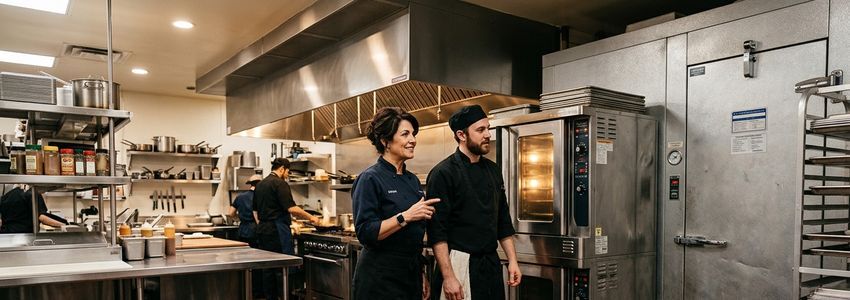
Franchise conversion loans give independent business owners the capital they need to rebrand, renovate, and align with a proven franchise system. Whether you run a restaurant, retail shop, or service business, converting to a franchise can unlock stronger brand recognition, operational support, and higher revenue potential. But the transition requires real money, and knowing how to finance it makes all the difference.
In This Article
- What Is Franchise Conversion?
- Why Independent Businesses Convert to Franchises
- Types of Franchise Conversion Loans
- How Franchise Conversion Financing Works
- What Costs Does the Loan Cover?
- Who Qualifies for Franchise Conversion Loans?
- How Crestmont Capital Helps
- Real-World Scenarios
- Comparing Your Financing Options
- Frequently Asked Questions
- How to Get Started
What Is Franchise Conversion?
Franchise conversion is the process of transforming an independently owned and operated business into a franchised unit operating under an established brand. Instead of starting a franchise from scratch, the business owner joins a franchise network while retaining the physical location, existing customer base, and core operations. The conversion typically involves rebranding, equipment upgrades, interior renovations, staff training, and technology integration to meet franchise standards.
This model has become increasingly popular in sectors including food service, real estate, home services, childcare, and retail. Franchise brands actively recruit established independents because it allows them to expand faster with lower risk. For the business owner, the appeal lies in the support structure, marketing power, and customer trust that comes with a recognized brand.
The average cost of converting to a franchise ranges from $50,000 to $500,000, depending on the industry, size of the operation, and the specific franchise requirements. Because most business owners cannot self-fund a conversion of this scale, franchise conversion loans are a critical tool in making the transition possible.
Ready to Convert to a Franchise?
Get fast, flexible financing from the #1 business lender in the U.S. No obligation - apply in minutes.
Apply Now →Why Independent Businesses Convert to Franchises
The decision to convert is rarely impulsive. Most business owners weigh the benefits for months or years before moving forward. There are several compelling reasons why the conversion route makes strategic and financial sense.
Brand recognition instantly changes the competitive landscape. An independent pizza shop competing against a Domino's on the same street faces an uphill battle. But if that independent shop converts to a regional franchise brand, it immediately inherits marketing resources, a loyalty program, and the consumer trust that national advertising creates. Studies consistently show that franchise locations outperform comparable independents in customer acquisition.
Operational systems reduce owner burden. Independent owners often operate without documented processes, scalable training programs, or technology infrastructure. Franchisors provide proven playbooks that reduce variability in customer experience and help businesses scale. For owners burned out from reinventing the wheel, this alone can transform the business.
Access to franchisor financing relationships. Many franchise brands have relationships with preferred lenders who understand the model and offer competitive terms. Converting owners can tap into these relationships rather than navigating the lending market alone.
Exit strategy improvement. A franchised location is generally worth more than a comparable independent business because of the transferability of the franchise agreement. Owners planning to sell within five to ten years often convert specifically to increase their exit valuation.
Supply chain advantages. Franchisors negotiate bulk pricing with suppliers, which can immediately lower the cost of goods for the converting owner. In food service, this alone can improve margins by several percentage points.
Types of Franchise Conversion Loans
Financing a franchise conversion is not one-size-fits-all. The right loan type depends on your credit profile, existing business revenue, timeline, and the specific capital needs of the conversion. Here are the most commonly used loan types for franchise conversions:
| Loan Type | Best For | Loan Amount | Typical Term |
|---|---|---|---|
| SBA 7(a) Loan | Large conversions, strong credit | Up to $5 million | 10-25 years |
| Term Loan | Mid-size conversions, established revenue | $25K - $2M | 1-10 years |
| Business Line of Credit | Phased conversions, working capital | $10K - $500K | Revolving |
| Equipment Financing | Equipment and technology upgrades | Up to 100% of asset value | 2-7 years |
| Working Capital Loan | Cash flow during transition period | $10K - $500K | 3-24 months |
SBA 7(a) loans are the gold standard for franchise conversions involving significant capital. The Small Business Administration guarantees a portion of these loans, allowing lenders to offer favorable terms including lower down payments, longer repayment periods, and competitive interest rates. The SBA has an approved franchise registry that can speed up the application process for conversions to recognized franchise brands.
Conventional term loans offer speed and simplicity. If you have strong financials and good credit, a term loan can be funded in days rather than weeks, which matters when the franchisor has a tight conversion timeline. The trade-off is typically a higher interest rate and shorter term compared to SBA financing.
Equipment financing is ideal when a significant portion of conversion costs involves new equipment, point-of-sale systems, signage, or technology infrastructure. Because the equipment itself serves as collateral, approval rates are higher and terms can be more favorable than unsecured financing.
How Franchise Conversion Financing Works
By the Numbers
Franchise Conversion - Key Statistics
80%
Of franchised businesses remain open after 5 years vs. 50% for independents
$150K
Average conversion investment for a food service franchise
3-6 Mo
Typical timeline to complete a franchise conversion
800K+
Franchise establishments operating in the U.S.
The financing process for franchise conversions follows a straightforward path, though the details vary depending on the loan type chosen.
Step 1: Assess conversion costs with the franchisor. Before approaching a lender, work with the franchisor's development team to get a complete itemized breakdown of conversion costs. This typically includes a franchise fee, renovation budget, equipment list, signage costs, training fees, and initial marketing contributions. This document becomes the foundation of your loan application.
Step 2: Review your existing financial position. Lenders will evaluate your business credit score, personal credit score, annual revenue, cash flow, existing debt, and the length of time you have been in business. Strong existing financials give you negotiating leverage on rate and term. Most lenders require at least two years of business tax returns, recent bank statements, and a profit-and-loss statement.
Step 3: Choose the right loan product. Based on your timeline, credit profile, and capital needs, select the financing vehicle that best fits the conversion. In many cases, franchisees use a combination of loan products - for example, an SBA 7(a) loan for major renovation costs combined with equipment financing for technology upgrades.
Step 4: Submit your application. With a lender like Crestmont Capital, the application process is streamlined and typically requires minimal documentation upfront. Our team works with you to structure the loan in a way that maximizes your approval odds and minimizes cost.
Step 5: Close and begin the conversion. Once funded, you can begin the physical conversion. Most franchise agreements specify a conversion timeline, so having funds committed before signing is critical. Missing conversion milestones can jeopardize the franchise agreement itself.
Important: According to the SBA's franchise lending guidelines, franchisors on the SBA-approved franchise registry can significantly reduce loan processing time - often cutting weeks off the approval timeline.

What Costs Does the Loan Cover?
One of the most common questions from business owners is exactly what conversion costs a small business loan can finance. The answer is broad. Lenders generally allow franchise conversion loans to cover the following categories:
Franchise fees and licensing costs. The initial franchise fee, which grants you the right to operate under the brand, is a primary use of conversion financing. These fees range from $10,000 to $100,000+ depending on the brand and territory.
Renovation and buildout costs. Franchisors maintain strict brand standards for the physical appearance of their locations. Renovation costs can include exterior signage replacement, interior redesign, lighting upgrades, flooring, paint, and fixture replacement. This is typically the largest cost category in a conversion.
Equipment and technology. Converting to a franchise often requires adopting the franchisor's preferred point-of-sale system, kitchen equipment, inventory management software, or communications technology. Equipment financing can cover these costs while preserving working capital.
Training and onboarding. Most franchisors require owner training at their corporate headquarters and on-site training for staff. The loan can cover travel, lodging, payroll during training periods, and any training fees.
Working capital during the transition. Revenue often dips during a conversion as the location closes temporarily for renovation or operates in a reduced capacity. Having a business line of credit or working capital loan in place protects cash flow during this period.
Initial marketing and grand reopening. Many franchisors require a mandatory marketing fund contribution and expect franchisees to fund a grand reopening event. These costs are legitimate uses of conversion financing.
Pro Tip: According to Forbes, the biggest mistake franchise converters make is underestimating working capital needs. Budget at least three months of operating expenses as a cash cushion beyond the hard conversion costs.
Get the Capital You Need to Convert
Crestmont Capital specializes in franchise financing. Tell us what you need and we will structure the right loan for your conversion.
Apply Now →Who Qualifies for Franchise Conversion Loans?
Lender requirements vary by loan type, but most franchise conversion financing has broadly accessible qualification standards - particularly for established business owners with a track record. Here is what most lenders evaluate:
Time in business. Most lenders prefer borrowers with at least one year of operating history. Established independents converting to franchises typically have two or more years in business, which actually makes them stronger applicants than someone opening a brand-new franchise location.
Annual revenue. Revenue requirements vary by loan amount. For loans under $250,000, most alternative lenders look for at least $100,000 in annual revenue. SBA lenders typically require higher revenue and are most competitive for businesses generating $250,000 or more annually.
Credit score. SBA 7(a) loans generally require a personal credit score of 650 or above. Alternative lenders can work with scores as low as 580, particularly when revenue and cash flow are strong. Franchise conversions are viewed favorably by lenders because the franchisor's brand reduces business risk.
Debt service coverage ratio. Lenders want to see that the business generates enough cash flow to cover the new loan payment. A debt service coverage ratio of 1.25 or higher - meaning the business earns $1.25 for every $1.00 of debt payments - is the standard benchmark for most lenders.
Franchise agreement approval. Before funding, most lenders require a copy of the franchise disclosure document (FDD) and the signed or pending franchise agreement. This confirms the terms of the conversion and helps the lender understand the business model they are financing.
If your credit is not perfect or your revenue is on the lower end, do not assume you cannot qualify. Franchise conversions are considered lower-risk than pure startups, and a strong franchisor relationship can tip the balance toward approval. Crestmont Capital's small business financing team specializes in finding creative solutions for business owners who have been turned down elsewhere.
How Crestmont Capital Helps with Franchise Conversion Financing
Crestmont Capital is rated the #1 business lender in the United States, and franchise conversion financing is one of our core strengths. We understand that every conversion is unique - the costs, timeline, and financing needs differ by industry, brand, and location. Our approach is consultative rather than transactional.
When you work with Crestmont Capital, you get access to the full spectrum of small business lending products. Our team will analyze your specific conversion costs, review your financials, and recommend the optimal financing structure - whether that is a single term loan, SBA financing, equipment financing, a working capital line, or a combination of products.
We have funded franchise conversions across dozens of industries, from quick-service restaurants and real estate agencies to home services and health and wellness brands. Our relationships with multiple lending partners give us the flexibility to find the right fit for your specific situation, not just the product that is easiest for us to originate.
The application process is straightforward. You can complete an initial application online in minutes, and our advisors will follow up within 24 hours. For qualified applicants, funding can be available in as few as two to five business days on certain loan types, or within three to four weeks for SBA financing.
Key loan products available through Crestmont Capital for franchise conversions:
- Term loans - Fixed-rate financing for renovation, fees, and equipment via our Traditional Term Loan program
- SBA 7(a) loans - Government-backed financing with favorable rates via our SBA Loan program
- Unsecured working capital loans - Fast funding for cash flow needs via our Working Capital Loan program
- Equipment financing - Asset-backed financing for technology and equipment
- Business line of credit - Revolving credit for ongoing conversion expenses and cash flow management
To learn more about how we approach franchise financing broadly, see our complete Franchise Loans financing guide. For context on SBA loan options available to you, our SBA Loans complete guide covers everything you need to know before applying.
Real-World Franchise Conversion Scenarios
Understanding how franchise conversion loans work in practice helps clarify when and how to use financing strategically. Here are six scenarios that illustrate the range of conversion situations our clients navigate:
Scenario 1: Independent restaurant converting to a regional QSR brand. Maria owns a burger restaurant in suburban Ohio with $850,000 in annual revenue. She has been approached by a regional fast-casual franchise and is ready to convert. Conversion costs total $210,000, covering a new POS system, kitchen equipment upgrades, signage replacement, and a grand reopening campaign. Crestmont structures a $210,000 term loan at competitive rates with a five-year repayment term. Monthly payments of approximately $3,900 are easily covered by her cash flow, and she expects a 20% revenue bump after the rebrand based on the franchisor's conversion data.
Scenario 2: Real estate brokerage joining a national franchise. James runs an independent real estate office in Florida with eight agents. Joining a national real estate franchise requires a $35,000 initial fee, $28,000 in office renovation and rebranding, and $15,000 in technology setup. He uses a business line of credit to cover the franchise fee and renovation, then draws on the revolving credit as technology costs come in. The line gives him flexibility without locking him into a fixed repayment for costs he cannot fully project in advance.
Scenario 3: Home services company converting to a franchise network. Priya owns a residential cleaning company in Texas with 12 employees. A national franchise is recruiting companies in her market. Conversion costs are $75,000, primarily for new equipment, uniforms, software, and a territory fee. Equipment financing covers $45,000 of the equipment costs with the equipment itself as collateral, and a working capital loan covers the remaining $30,000 at a shorter term. Because the equipment secures the larger portion, overall borrowing costs are lower.
Scenario 4: Multi-location operator converting a second unit. David converted his first restaurant to a franchise brand two years ago and is now converting his second location. His track record with the franchisor and his existing loan history make him a stronger applicant. Crestmont helps him secure SBA 7(a) financing for the $350,000 conversion cost at favorable long-term rates, keeping monthly payments manageable while he ramps revenue at the second location.
Scenario 5: Childcare center joining a national brand. Sandra owns a childcare center in the Midwest with 45 enrolled children and stable revenue. Converting to a national childcare franchise requires $95,000 in facility upgrades, curriculum licensing, and staff training. She uses an unsecured working capital loan to fund the conversion without pledging business assets, keeping her balance sheet flexible for potential expansion.
Scenario 6: Auto repair shop joining a franchise network. Marcus owns an independent auto repair shop in Georgia. A regional franchise brand is expanding into his market and wants his location as a conversion. The $180,000 conversion budget is split between diagnostic equipment ($90,000), facility upgrades ($65,000), and fees and training ($25,000). A combination of equipment financing and a term loan covers the full amount with separate repayment terms suited to each asset category.
Comparing Franchise Conversion Financing to Other Options
Some business owners wonder whether they should finance a conversion, use personal savings, seek investors, or delay until they have accumulated enough cash. Here is how these options compare:
Business loans vs. personal savings. Using savings avoids interest costs but depletes the emergency reserves that protect the business during the post-conversion ramp period. Most financial advisors recommend keeping at least three to six months of operating expenses in reserve. Financing the conversion preserves that buffer.
Business loans vs. investor equity. Bringing in an investor to fund a conversion means giving up ownership. For a business owner who has built the company independently, the loss of control and profit sharing over the long term typically outweighs the benefit of avoiding debt service. Debt financing preserves full ownership.
Franchisor financing vs. independent lenders. Some franchisors offer in-house financing or have relationships with specific lenders. These options are convenient but may not be competitively priced. Always compare franchisor financing against what independent lenders like Crestmont Capital can offer. You may find significantly better terms through an independent lender, especially if you have strong financials.
Delaying vs. financing now. Every month spent accumulating savings is a month of operating as an independent without the brand advantage of the franchise. If the franchisor's data shows that converting units generate 20% higher revenue, the opportunity cost of delaying by 12 to 24 months to save capital often exceeds the interest cost of financing the conversion now. According to CNBC's small business research, businesses that invest in growth financing tend to outperform those that prioritize debt avoidance.
For a broader view of how franchise expansion fits into your overall growth strategy, our business expansion loans guide covers the key considerations for any major growth investment.
Frequently Asked Questions
What is a franchise conversion loan?
A franchise conversion loan is a type of small business financing used by independent business owners to cover the costs of converting their operation to a franchised unit. These costs typically include franchise fees, renovation, equipment, technology, and training. Lenders offer several loan types for this purpose, including SBA 7(a) loans, term loans, equipment financing, and working capital lines of credit.
How much does a franchise conversion typically cost?
Conversion costs range from as low as $30,000 for a simple service business rebrand to $500,000 or more for a full restaurant conversion involving major equipment, signage, and renovation. The average food service conversion runs $100,000 to $250,000. The franchisor's Item 7 in the Franchise Disclosure Document lists all required conversion expenses.
Can I get an SBA loan for a franchise conversion?
Yes. SBA 7(a) loans are one of the most common financing vehicles for franchise conversions. If the franchise brand is on the SBA's approved franchise registry, the approval process is streamlined. SBA loans offer terms of up to 10 years for working capital and 25 years for real estate, with competitive rates tied to the SBA base rate.
What credit score do I need for a franchise conversion loan?
SBA lenders generally require a personal credit score of at least 650. Alternative lenders can work with scores as low as 580 when revenue and cash flow are strong. The stronger your business financials, the more flexibility lenders have on credit score requirements. A score above 700 gives you access to the most competitive rates.
How long does it take to get funded?
Funding timelines vary by loan type. Alternative term loans and working capital loans can fund in two to five business days. SBA 7(a) loans typically take three to eight weeks from application to funding. Equipment financing can often be approved and funded within a week. If your franchise agreement has a tight timeline, discuss this with your lender upfront so they can prioritize your application.
What documents do I need to apply for a franchise conversion loan?
Core documents include two years of business tax returns, two years of personal tax returns, recent bank statements (typically three to six months), a year-to-date profit-and-loss statement, the franchise disclosure document, the franchise agreement or letter of intent, and a breakdown of conversion costs. SBA applications require additional documentation including a business plan and business debt schedule.
Can I use multiple loan types for one conversion?
Yes, and this is often the optimal approach. For example, a restaurant owner might use a term loan to cover renovation costs, equipment financing to cover kitchen equipment, and a line of credit for working capital during the transition period. Using purpose-matched loan products for each cost category often results in lower overall interest costs and better repayment terms.
Does the franchise brand matter to lenders?
Yes. Well-established franchise brands with strong track records, high franchisee success rates, and SBA registry approval are viewed more favorably by lenders. A conversion to a nationally recognized brand with a long history is considered lower risk than a conversion to a newer, less-established concept. Brands that appear on the SBA franchise directory also benefit from a streamlined approval process.
What happens if the conversion takes longer than expected?
Delays in renovation, equipment delivery, or franchisor approval are common. Having a business line of credit in place provides a flexible buffer for unexpected cost overruns or extended transition periods. Some lenders also offer interest-only payment periods during construction or conversion phases, which can ease cash flow while the project completes.
Will a personal guarantee be required?
Most small business loans, including franchise conversion financing, require a personal guarantee from the principal owner of the business. This means you agree to personally repay the loan if the business cannot. SBA loans require personal guarantees from anyone owning 20% or more of the business. Some alternative lenders offer reduced personal guarantee requirements for businesses with strong financials.
What industries benefit most from franchise conversion financing?
Food and beverage, real estate, home services, childcare, health and wellness, auto services, and retail are the most active sectors for franchise conversions. These industries have robust franchise systems with established conversion processes. Lenders are familiar with the conversion economics in these sectors, which tends to result in more efficient underwriting and better terms.
Can I refinance existing business debt as part of the conversion?
Yes, in some cases. SBA 7(a) loans in particular allow refinancing of existing business debt under certain conditions. If the refinancing results in a lower overall debt service, improves the business's financial position, and is tied to a legitimate business purpose, it can be included in a conversion loan package. Discuss this possibility with your lender during the pre-application consultation.
How does franchise conversion affect the business's credit profile?
Taking on a conversion loan increases the business's debt load, which affects the debt-to-income ratio and debt service coverage ratio. However, if the conversion delivers on its projected revenue increase, the business's ability to service debt actually improves over time. Most franchise converters see their credit profile strengthen within one to two years of a successful conversion due to higher revenue and improved cash flow.
What is the difference between a franchise conversion and a new franchise unit?
A new franchise unit starts from scratch - finding a location, building out the space, hiring staff, and building a customer base. A franchise conversion transforms an existing, operating business with an established location, staff, and customer base into a franchise unit. Conversions are generally faster to open, less expensive than new builds, and have a lower failure rate because the underlying business is already operational.
How do I find the right lender for a franchise conversion?
Look for a lender with specific experience in franchise financing, not just general small business loans. Franchise conversion lending requires understanding of FDDs, conversion timelines, franchise-specific cash flow patterns, and the relationship between the franchisee and franchisor. Crestmont Capital has deep expertise in this area and works with borrowers at every stage of the conversion process. Start by requesting a consultation to discuss your specific situation before submitting a formal application.
Start Your Franchise Conversion Today
Our franchise financing experts are ready to help you structure the right loan for your conversion. Apply in minutes, get an answer fast.
Apply Now →How to Get Started
Complete our quick application at offers.crestmontcapital.com/apply-now - it takes just a few minutes and requires minimal documentation to start.
A Crestmont Capital advisor with franchise experience will review your conversion costs, financials, and timeline, then recommend the optimal loan structure for your situation.
Receive your funds and begin your franchise conversion on schedule. Many clients receive funding within two to five business days for non-SBA loans, keeping your franchise agreement timeline on track.
Take the Next Step with Franchise Conversion Loans
Franchise conversion loans are one of the most strategic tools available to independent business owners ready to accelerate growth. Converting to a franchise does not mean giving up what you have built - it means amplifying it with the brand recognition, support systems, and market positioning that come with an established franchise network.
The financing process does not have to be complicated. With the right lender and the right loan structure, you can fund your franchise conversion without depleting reserves, taking on equity partners, or waiting years to accumulate capital out of cash flow. Franchise conversion loans are accessible, competitively priced, and specifically designed for situations like yours.
Crestmont Capital has helped hundreds of business owners finance franchise conversions across dozens of industries. Whether you need $50,000 for a simple rebrand or $500,000 for a complete restaurant conversion, our team has the experience and lending relationships to get it done. Your franchise conversion starts with a single application.
Disclaimer: The information provided in this article is for general educational purposes only and is not financial, legal, or tax advice. Funding terms, qualifications, and product availability may vary and are subject to change without notice. Crestmont Capital does not guarantee approval, rates, or specific outcomes. For personalized information about your business funding options, contact our team directly.