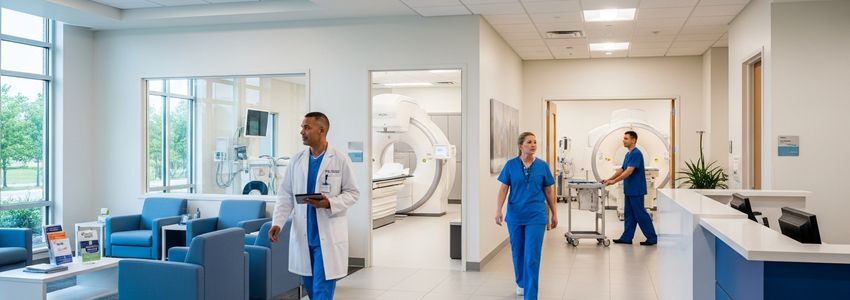
The field of oncology is at the forefront of medical innovation, demanding constant investment in technology, facilities, and highly skilled personnel to provide the best possible patient outcomes. For oncologists and cancer care practice owners, securing adequate capital is not just a business necessity-it is a critical component of delivering life-saving care. This is where specialized financial products like oncology practice loans become essential. These tailored financing solutions are designed to meet the unique and substantial capital requirements of a modern cancer treatment center, from acquiring multi-million-dollar radiation therapy machines to managing the high cost of pharmaceuticals and daily operations.
Navigating the world of commercial finance can be complex, especially when the needs are as specific and high-stakes as they are in oncology. Whether you are launching a new private practice, expanding an established cancer center, upgrading to the latest diagnostic technology, or simply need to stabilize your cash flow, understanding your financing options is the first step toward achieving your goals. This guide provides a comprehensive overview of oncology practice financing, covering everything from the types of loans available to the qualification requirements and the strategic ways this capital can be used to enhance patient care and drive practice growth.
At Crestmont Capital, we recognize that oncologists are dedicated to fighting one of humanity's most challenging diseases. Our mission is to provide the financial support system that allows you to focus on your patients, not on funding gaps. As the #1 rated business lender in the U.S., we have the expertise and resources to structure financing that aligns with the specific financial rhythms and capital expenditure cycles of a cancer care practice. This guide will serve as your complete resource for making informed decisions about the financial future of your vital work.
In This Article
- What Are Oncology Practice Loans?
- Types of Financing for Oncology Practices
- How Oncology Practice Financing Works
- How Oncology Practices Use Business Loans
- Oncology Practice Financing: Key Numbers
- Who Qualifies for Oncology Practice Loans?
- Benefits of Financing for Your Oncology Practice
- Oncology Equipment Financing
- How Crestmont Capital Helps Oncology Practices
- Real-World Financing Scenarios for Oncology Practices
- Comparing Financing Options for Oncology Practices
- How to Get Started
- Frequently Asked Questions
What Are Oncology Practice Loans?
Oncology practice loans are not a single, standardized product. Instead, the term refers to a broad category of financial solutions specifically designed to address the capital-intensive nature of operating a cancer care facility. Unlike a generic business loan, these financing options are structured with an understanding of the oncology industry's unique challenges and opportunities. This includes high equipment costs, long revenue cycles tied to insurance reimbursements, the need for specialized real estate, and the ongoing expense of advanced pharmaceuticals.
The financial landscape for an oncology practice is vastly different from that of a general practitioner or even other medical specialties. The core of modern cancer treatment revolves around sophisticated and expensive technology. A single linear accelerator (LINAC) for radiation therapy can cost several million dollars. A PET/CT scanner, essential for accurate diagnosis and staging, represents another seven-figure investment. These are not optional upgrades-they are the standard of care that patients expect and deserve.
Furthermore, the operational side of a cancer center is equally demanding. Chemotherapy and immunotherapy drugs are notoriously expensive, requiring significant upfront capital to maintain inventory. A practice must also fund a highly specialized team of oncologists, radiation therapists, dosimetrists, oncology nurses, and support staff. When you combine these factors with the costs of facility construction or renovation to accommodate shielded radiation vaults and comfortable infusion suites, the need for robust medical oncology financing becomes clear. Oncology clinic financing provides the necessary capital to acquire these assets, manage cash flow, and strategically grow the practice without depleting essential operating reserves.
Types of Financing for Oncology Practices
Because the financial needs of an oncology practice are so diverse, a variety of loan types are available. Choosing the right one depends on your specific goal, whether it is acquiring a single piece of equipment or funding a comprehensive practice expansion. Here are the most common types of oncologist practice loans.
Equipment Financing and Leasing
This is arguably the most critical type of financing for any cancer center. Equipment financing is a loan used specifically to purchase medical technology. The equipment itself typically serves as the collateral for the loan, which can simplify the approval process. This type of financing allows practices to acquire state-of-the-art technology like linear accelerators, MRI machines, CT scanners, and infusion pumps without a massive upfront cash outlay. Key benefits include preserving working capital for other needs, potential tax advantages under Section 179, and predictable monthly payments. Crestmont Capital offers specialized medical equipment financing with terms that match the useful life of the asset.
SBA Loans
The U.S. Small Business Administration (SBA) partially guarantees loans made by partner lenders, reducing the lender's risk and often resulting in more favorable terms for the borrower. SBA loans, particularly the 7(a) and 504 programs, are an excellent option for major investments. They can be used for a wide range of purposes, including purchasing real estate for a new clinic, practice acquisition, major renovations, and bundling equipment purchases with working capital. The benefits include long repayment terms (up to 25 years for real estate) and competitive interest rates. However, the application process is typically more extensive and time-consuming than with other loan types.
Working Capital Loans
Cash flow is a constant challenge in healthcare due to the lag between providing services and receiving payment from insurance companies. Working capital loans are designed to bridge this gap. These are typically short-term loans used to cover day-to-day operational expenses. For an oncology practice, this could mean purchasing expensive chemotherapy drugs, covering payroll for a growing staff, paying for marketing initiatives, or managing unexpected maintenance costs. These working capital loans provide a quick infusion of cash to keep the practice running smoothly.
Business Line of Credit
A business line of credit offers the most flexibility. It functions like a credit card for your practice but with a much higher limit and lower interest rates. You are approved for a certain amount of capital and can draw funds as needed, up to your credit limit. You only pay interest on the amount you have drawn. Once you repay the funds, your available credit is replenished. This is an ideal tool for managing unforeseen expenses, seizing time-sensitive opportunities (like a discount on a bulk drug purchase), or handling seasonal fluctuations in patient volume and revenue.
Practice Acquisition Loans
For oncologists looking to buy an existing practice, purchase a partner's share, or merge with another clinic, a practice acquisition loan provides the necessary capital. This type of financing covers the purchase price of the practice, which can include its patient list, equipment, real estate, and goodwill. These are often complex transactions, and the loan structure will reflect the value and financial health of the practice being acquired.
Commercial Real Estate Loans
If your growth plan involves building a new cancer center from the ground up or purchasing and renovating an existing medical building, a commercial real estate loan is the appropriate vehicle. These are long-term loans secured by the property itself. They are similar to residential mortgages but are designed for commercial properties and often involve larger sums and more detailed underwriting, including analysis of the property's potential to generate revenue.
How Oncology Practice Financing Works
Understanding the journey from application to funding can help you prepare and streamline the process. While the exact steps can vary between lenders and loan types, the general workflow for securing oncology practice financing follows a clear path. Here is a breakdown of what to expect.
Step 1: Initial Consultation and Pre-Qualification
The process begins with an initial discussion with a financing specialist. This is your opportunity to outline your practice's needs, whether it's for a $2 million LINAC or $150,000 in working capital. At Crestmont Capital, our advisors will listen to your goals and review your practice's basic financial profile to determine which loan products you are likely to qualify for. This pre-qualification step saves you time by ensuring you are pursuing the right type of funding from the start.
Step 2: Application Submission
Once you have identified the best financing option, you will complete a formal application. Lenders like Crestmont Capital have simplified this with streamlined online applications. You will also need to provide supporting documentation. The required documents typically include:
- Business Financial Statements: Profit and loss statements, balance sheets, and cash flow statements for the past 2-3 years.
- Business and Personal Tax Returns: Typically for the past 2-3 years.
- Personal Financial Statement: A summary of the personal assets and liabilities of all practice owners with 20% or more ownership.
- Equipment Quotes: If you are financing specific equipment, you will need to provide official quotes from the vendor.
- Business Plan: For startups or major expansions, a detailed business plan outlining your strategy, market analysis, and financial projections is crucial.
- Practice Information: Details on your business entity, licenses, and insurance.
Step 3: Underwriting and Review
This is the stage where the lender conducts its due diligence. Underwriters will analyze all the documents you have submitted to assess the financial health and creditworthiness of your practice. They will evaluate your revenue trends, profitability, debt-to-income ratio, and cash flow. For equipment loans, they will also assess the value and expected lifespan of the asset being financed. This is the most critical phase for determining your eligibility and the terms you will be offered.
Step 4: Approval and Offer
If the underwriting review is successful, the lender will approve your loan and present you with a formal offer. This document will detail the specific terms of the financing, including the total loan amount, the interest rate (fixed or variable), the repayment term (the length of the loan), and any associated fees. It is essential to review this offer carefully and ask your financing advisor any questions you have to ensure you fully understand the agreement.
Step 5: Documentation and Funding
After you accept the offer, the final step is to sign the official loan documents. Once all paperwork is completed and verified, the lender will disburse the funds. With alternative lenders like Crestmont Capital, this final step is remarkably fast. For working capital and equipment loans, funds can often be transferred to your bank account or directly to the equipment vendor within 24 to 48 hours of signing the documents. This speed is a significant advantage over traditional banks, which can take weeks or even months to fund a loan.
Key Insight: The primary difference between alternative lenders and traditional banks often lies in speed and flexibility. While a bank might take 60-90 days to approve and fund an SBA loan, a lender like Crestmont Capital can often provide equipment or working capital financing in just a few days.
How Oncology Practices Use Business Loans
The capital from oncology practice loans is deployed across a wide spectrum of strategic investments, all aimed at enhancing patient care, improving operational efficiency, and ensuring long-term growth. The high-stakes nature of cancer treatment means that these investments are not just about business-they are about improving and saving lives. Here are some of the most common and impactful uses for cancer center business loans.
- Acquiring Advanced Therapeutic and Diagnostic Technology: This is the most significant capital expense for most oncology practices. Loans are used to purchase essential equipment such as linear accelerators (LINACs), TomoTherapy and CyberKnife systems for stereotactic radiosurgery, PET/CT and MRI scanners for precise imaging, brachytherapy equipment, and advanced dosimetry and treatment planning software.
- Expanding or Renovating Clinical Facilities: As a practice grows, so does its need for space. Financing is used to build new treatment facilities, add more infusion chairs to a chemotherapy suite, construct shielded radiation therapy vaults, or renovate waiting areas and exam rooms to create a more comfortable and healing environment for patients.
- Managing High Pharmaceutical Costs: Oncology drugs, especially newer biologics and immunotherapies, are incredibly expensive. A working capital loan or a line of credit provides the necessary liquidity to purchase and maintain an adequate inventory of these life-saving drugs without straining the practice's daily cash flow.
- Implementing or Upgrading EMR/EHR Systems: Modern healthcare runs on data. Investing in a robust Electronic Medical Record (EMR) or Electronic Health Record (EHR) system is crucial for efficient patient management, streamlined billing, and regulatory compliance. Loans can fund the software, hardware, and training needed for a successful implementation.
- Practice Acquisition and Consolidation: Strategic growth often involves acquiring another practice or buying out a retiring partner. Acquisition financing provides the capital to complete these transactions, allowing a practice to expand its geographic reach, patient base, and service offerings. This is a key strategy for private practices competing with large hospital networks.
- Hiring and Training Specialized Staff: A cancer center is only as good as its team. Loans can be used to fund the recruitment and training of highly skilled professionals, including medical oncologists, radiation oncologists, physicists, dosimetrists, and specialized oncology nurses. This investment in human capital is vital for maintaining a high standard of care. - Covering General Operational Expenses: Beyond major investments, practices need capital for the day-to-day. This includes everything from payroll and rent to marketing campaigns designed to attract new patients and build the practice's reputation in the community.
Secure the Funding Your Cancer Center Needs
From advanced radiation therapy equipment to practice expansion, Crestmont Capital provides fast, flexible financing solutions for oncologists. Get your no-obligation quote today.
Apply Now →Oncology Practice Financing: Key Numbers
The oncology market is a significant and growing part of the U.S. healthcare landscape. The financial figures associated with running a practice highlight the critical need for reliable funding solutions. Here are some key statistics that paint a picture of the industry and its capital requirements.
Oncology Market: By The Numbers
$250 Billion+
The estimated size of the U.S. oncology market, reflecting the high cost and volume of cancer care services, according to market research reports.
$500K - $3M+
The typical cost range for a single piece of major radiation therapy equipment, such as a linear accelerator or a PET/CT scanner.
48%
The percentage of independent oncology practices planning a significant expansion or capital investment within the next two years, based on industry surveys.
24-48 Hours
The typical funding timeline for equipment and working capital loans from alternative lenders like Crestmont Capital, compared to weeks or months at a bank.
Who Qualifies for Oncology Practice Loans?
Lenders evaluate several key factors to determine a practice's eligibility for financing and to set the terms of the loan. While requirements can vary, most lenders, including Crestmont Capital, look at a holistic picture of the practice's financial health and stability. Understanding these criteria can help you prepare a stronger application.
Credit Score
Both the business's credit score and the personal credit scores of the practice owners are important. A strong personal credit score (typically 680 or higher) demonstrates a history of responsible financial management. While a lower score doesn't automatically mean disqualification, it may result in higher interest rates or require additional collateral. Lenders look for a clean credit history without recent bankruptcies, foreclosures, or major delinquencies.
Time in Business
Most lenders prefer to work with established practices that have a proven track record of success. A minimum of two years in business is a common requirement. This history provides lenders with the financial data they need to assess your practice's stability and revenue patterns. However, startup oncology practices are not without options. Financing for new practices is available, especially through SBA loan programs, but it typically requires a very strong business plan, excellent personal credit, and significant personal investment from the owners.

Annual Revenue
Your practice's annual revenue is a direct indicator of its ability to support new debt payments. Lenders will have a minimum annual revenue threshold, which can range from $250,000 to over $1 million, depending on the loan size and type. Consistent or growing revenue is a positive sign that demonstrates the health and viability of your cancer center. Lenders will analyze your revenue streams, looking at patient volume, service mix, and payer mix (the percentage of revenue from Medicare, Medicaid, and private insurers).
Cash Flow and Profitability
Beyond top-line revenue, lenders are most interested in your practice's cash flow. They will analyze your bank statements and financial reports to ensure you have sufficient positive cash flow to comfortably cover your existing obligations plus the new loan payment. Profitability is also key. A practice that is consistently profitable is seen as a much lower risk. Your Debt Service Coverage Ratio (DSCR), which measures your available cash flow to pay current debt obligations, is a critical metric in the underwriting process.
Collateral
Collateral is an asset that a borrower pledges to a lender to secure a loan. For many types of oncology practice financing, the asset being purchased serves as its own collateral. This is standard for equipment financing and commercial real estate loans. For unsecured loans, like some working capital products, no specific collateral is required, but the lender may place a general lien on the business's assets and often requires a personal guarantee from the owner.
Benefits of Financing for Your Oncology Practice
Securing an oncology practice loan is more than just a financial transaction; it is a strategic business decision that can unlock significant advantages for your practice, your staff, and most importantly, your patients. By leveraging external capital, you can accelerate growth and elevate your standard of care in ways that would be impossible using only your practice's retained earnings.
Provide State-of-the-Art Patient Care
The primary benefit of financing is the ability to invest in the latest medical technology. Access to advanced radiation therapy, precision diagnostics, and innovative treatments directly translates to better patient outcomes. Financing allows you to offer the same level of care as major hospital systems, making your independent practice a more attractive option for patients seeking the best possible treatment.
Maintain a Competitive Edge
The healthcare market, including oncology, is highly competitive. Patients and referring physicians are drawn to practices that are modern, well-equipped, and efficient. By financing facility upgrades and new technology, you can differentiate your practice from competitors, enhance your professional reputation, and solidify your position as a leader in cancer care within your community.
Key Insight: According to the American Cancer Society, there will be an estimated 2 million new cancer cases diagnosed in the U.S. in 2024. This growing patient population underscores the need for well-equipped, independent oncology centers to provide accessible, high-quality care. Source: cancer.org
Improve Cash Flow Management
Paying for a multi-million-dollar piece of equipment with cash would cripple the operating budget of most private practices. Financing allows you to spread that cost over several years with predictable monthly payments. This preserves your cash reserves for day-to-day operations, unexpected expenses, and other strategic investments. It smooths out your expenditures and protects your practice from the financial strain of large, one-time purchases.
Accelerate Practice Growth and Expansion
Financing is the fuel for growth. It enables you to act on expansion opportunities as they arise, rather than waiting years to save the necessary capital. Whether you want to open a satellite clinic in a neighboring town, acquire a retiring competitor's practice, or add a new service line like in-house PET scanning, oncology practice loans provide the immediate funding needed to turn your strategic vision into a reality.
Significant Tax Advantages
Financing can offer substantial tax benefits. The interest paid on a business loan is typically tax-deductible. Furthermore, Section 179 of the IRS tax code allows businesses to deduct the full purchase price of qualifying new or used equipment in the year it is placed into service. This can lead to significant tax savings, effectively reducing the net cost of your investment. Consult with a tax professional to understand how these benefits apply to your specific situation.
Oncology Equipment Financing
Given the central role of technology in cancer treatment, oncology equipment financing deserves a closer look. This specialized form of financing is the lifeblood of a modern cancer center, enabling practices to acquire the tools they need to fight disease effectively. The sheer cost of this equipment makes paying with cash an impractical and often poor financial strategy.
The list of essential, high-cost equipment is long and constantly evolving with medical advancements. Financing is available for virtually all of it, including:
- Linear Accelerators (LINACs): The cornerstone of radiation therapy.
- PET/CT and SPECT/CT Scanners: For advanced diagnostic imaging and treatment planning.
- MRI Machines: Crucial for soft tissue imaging and diagnosis.
- Stereotactic Radiosurgery Systems: Such as Gamma Knife or CyberKnife for non-invasive tumor treatment.
- Brachytherapy Equipment: For internal radiation therapy.
- Chemotherapy Infusion Pumps and Chairs: For creating a safe and efficient infusion center.
- Dosimetry and Treatment Planning Systems: The sophisticated software that drives radiation therapy.
- Lab and Pathology Equipment: For in-house diagnostics and analysis.
When you choose to finance this equipment, you gain several advantages over a cash purchase. First, you can often secure 100% financing, which can include not only the cost of the machine itself but also "soft costs" like taxes, shipping, installation, and initial training for your staff. This means you can get the new technology up and running with minimal to zero out-of-pocket expense. Second, the payment structure is fixed and predictable, making it easy to budget for the new asset. Finally, by financing, you keep your cash free for other critical needs, such as hiring staff to operate the new equipment or marketing the new services you can now offer.
This is a core component of many medical practice loans, and it is especially vital in the capital-intensive field of oncology.
How Crestmont Capital Helps Oncology Practices
Choosing the right lending partner is just as important as choosing the right type of loan. For oncology practices, which operate on tight schedules and have urgent needs, the speed, flexibility, and expertise of the lender are paramount. Crestmont Capital has established itself as the #1 rated business lender by focusing on the specific needs of specialized industries like healthcare.
Here is how we support oncologists and cancer care practices:
- Speed and Efficiency: We understand that in medicine, time is critical. Our streamlined online application takes only a few minutes to complete, and we often provide approvals within hours. For many loan products, funding can be completed in as little as 24 hours, a stark contrast to the weeks or months-long process at a traditional bank.
- Flexible and Tailored Solutions: We do not believe in a one-size-fits-all approach. Our financing experts work with you to understand your practice's unique situation and goals. We then structure a financing solution with terms, payment schedules, and amounts that align with your business model and cash flow.
- High Approval Rates: Our lending criteria are more flexible than those of traditional banks. We look at the overall health of your practice, not just a single credit score. This allows us to approve financing for a wider range of practices, including those that may have been turned down elsewhere.
- Industry Expertise: Our team has extensive experience working with medical professionals. We understand the financial terminology, the equipment, and the operational challenges of running an oncology practice. This means you will be working with a partner who speaks your language and can provide relevant, insightful guidance.
- Minimal Paperwork: We have digitized and simplified the application and documentation process to minimize the administrative burden on you and your staff, allowing you to stay focused on patient care.
Our commitment is to be more than just a lender; we strive to be a reliable financial partner dedicated to the success and growth of your practice.
Ready to Upgrade Your Oncology Equipment?
Finance your next linear accelerator, PET/CT scanner, or infusion center build-out with Crestmont Capital. Our streamlined process gets you funded fast.
Apply Now →Real-World Financing Scenarios for Oncology Practices
To better illustrate how different financing options are applied in practice, let's explore a few hypothetical but realistic scenarios that oncology practices commonly face.
Scenario 1: The Startup Private Practice
The Situation: Dr. Evans, an experienced oncologist, decides to leave a large hospital system to open her own independent clinic. She has a solid business plan and excellent personal credit but needs significant capital to get started. Her needs include leasing and building out a medical office space, purchasing initial diagnostic equipment (ultrasound, exam tables), and covering working capital for the first six months to pay for staff, marketing, and supplies before revenue becomes consistent.
The Solution: Dr. Evans works with a lender to secure an SBA 7(a) loan. This loan is ideal because it offers a large funding amount with a long repayment term and can be used for a combination of purposes: leasehold improvements, equipment, and working capital. The SBA guarantee makes the lender more comfortable funding a startup. This comprehensive financing package allows her to launch her practice on a solid financial footing.
Scenario 2: The Expanding Group Practice
The Situation: A successful three-partner oncology group wants to open a second, larger facility in a neighboring county to serve a growing patient population. The project involves purchasing a building, renovating it to include a radiation vault, and equipping it with a new linear accelerator and a 20-chair infusion center.
The Solution: The practice uses a multi-pronged financing strategy. They secure a Commercial Real Estate Loan to purchase and renovate the building. For the expensive new LINAC, they use a dedicated Equipment Financing agreement, which allows them to finance 100% of the cost over a seven-year term. Finally, they open a Business Line of Credit to provide flexible capital for hiring the new location's staff and managing initial operating expenses as the facility ramps up.
Scenario 3: The Solo Practitioner Upgrading Technology
The Situation: Dr. Chen has been running his solo oncology practice for 15 years. His CT scanner is aging and lacks the capabilities of modern machines. To improve diagnostic accuracy and keep his practice competitive, he needs to upgrade to a new PET/CT scanner, a $1.2 million investment.
The Solution: Dr. Chen applies for an equipment loan. Because his practice is well-established with strong financials, he is quickly approved. The new PET/CT scanner serves as the sole collateral for the loan. He receives a fixed interest rate and a 7-year term, resulting in a predictable monthly payment that fits easily into his practice's budget. The entire process from application to the vendor being paid takes less than a week, minimizing disruption to his practice.
Comparing Financing Options for Oncology Practices
Choosing the right loan requires comparing the features of each option against your specific needs. This table provides a high-level comparison of the most common types of oncology practice financing.
| Financing Option | Typical Loan Amount | Typical Term | Best For | Funding Speed |
|---|---|---|---|---|
| Equipment Financing | $25,000 - $5,000,000+ | 3 - 10 years | Purchasing new or used medical technology (LINACs, CT scanners, etc.). | Very Fast: 1 - 3 days |
| SBA Loan | Up to $5,000,000 | 10 - 25 years | Practice acquisition, real estate purchase, major expansion, debt consolidation. | Slow: 45 - 90 days |
| Business Line of Credit | $10,000 - $500,000 | Revolving | Managing cash flow, unexpected expenses, seizing opportunities. | Fast: 1 - 5 days |
| Working Capital Loan | $25,000 - $750,000 | 6 months - 3 years | Covering payroll, purchasing drug inventory, bridging revenue gaps. | Very Fast: 1 - 2 days |
As noted by business resources like Forbes, matching the financing tool to the business need is a cornerstone of sound financial strategy. For a long-term asset like a building, a long-term loan makes sense. For a short-term need like inventory, a short-term loan is more appropriate.
How to Get Started
Taking the first step toward securing financing for your oncology practice is straightforward. By following a clear process, you can position your practice for a successful application and fast funding.
Assess Your Needs and Goals
Before approaching a lender, clearly define what you need the funding for and exactly how much you need. Are you buying a specific piece of equipment? Get a vendor quote. Are you expanding? Create a detailed budget for the project. This clarity will help your financing advisor identify the best possible solution for you.
Gather Your Financial Documents
Be prepared by gathering the key documents lenders will need to review. This typically includes the last two years of business tax returns, your most recent year-to-date profit and loss statement and balance sheet, and the last six months of business bank statements. Having these ready will significantly speed up the underwriting process.
Apply with Crestmont Capital
The final step is to submit your application. Our simple, secure online application takes just a few minutes. Once submitted, a dedicated financing advisor will contact you to discuss your application, answer your questions, and guide you through the rest of the process. Don't wait to get the capital your practice deserves. Apply online today!
Your Practice's Future Starts Here
Don't let financing be a barrier to providing world-class cancer care. Partner with the #1 business lender and secure the capital you need to grow. Apply in minutes.
Apply Now →Frequently Asked Questions
1. Can I get financing for a new, startup oncology practice?
Yes, financing for startup oncology practices is available, though the requirements are typically more stringent than for established practices. Lenders will want to see a comprehensive business plan, strong financial projections, excellent personal credit from the owners, and often a significant personal cash injection. SBA loans are one of the most popular and accessible options for new medical practices.
2. What credit score do I need for an oncologist practice loan?
While requirements vary, most lenders look for a personal credit score of 680 or higher for the best rates and terms. However, alternative lenders like Crestmont Capital can often work with practice owners with lower credit scores by placing more weight on other factors, such as the practice's revenue and cash flow.
3. How much can I borrow for my cancer center?
The amount you can borrow depends on the loan type, your practice's financial health, and your specific needs. Equipment loans can range from $25,000 to over $5 million. SBA loans can also go up to $5 million. Working capital loans and lines of credit are typically for smaller amounts, ranging from $10,000 to $750,000. The lender will determine the final amount based on your ability to repay.
4. How long does it take to get funded?
The funding time varies significantly by loan type. Equipment financing and working capital loans from alternative lenders are the fastest, often funding in 24-72 hours. A business line of credit may take a few days to a week to set up. SBA loans are the slowest, typically taking 45 to 90 days from application to funding due to the extensive government paperwork involved. The Small Business Administration provides resources on how to get more funding for your business.
5. Can I finance used oncology equipment?
Yes, absolutely. Financing is available for both new and used equipment. Purchasing refurbished, high-quality equipment can be a cost-effective strategy for many practices. Lenders will typically want to see an inspection or appraisal to verify the condition and value of the used equipment before approving the loan.
6. What is the difference between a loan and a lease for medical equipment?
With an equipment loan (or finance agreement), you are the owner of the equipment from day one, and you make payments to pay off the debt. At the end of the term, you own the equipment free and clear. With a lease, the leasing company owns the equipment, and you make payments to use it for a set term. At the end of the term, you may have the option to buy it, return it, or renew the lease. Leasing can offer lower monthly payments and is a good option for technology that becomes obsolete quickly.
7. Are oncology practice loans hard to get?
It can be challenging to get a loan from a traditional bank, which often has very strict, conservative lending criteria. However, working with an alternative lender like Crestmont Capital can make the process much easier. We have more flexible requirements and higher approval rates, making financing accessible to a broader range of well-run oncology practices.
8. Can I use a loan to buy out a partner in my oncology practice?
Yes. A practice acquisition loan or a term loan can be used to finance a partner buyout. The loan provides the necessary capital to purchase the departing partner's equity stake in the practice. The loan amount will be based on the valuation of the practice and the terms of your partnership agreement.
9. What are typical interest rates for oncology practice financing?
Interest rates vary widely based on the loan type, loan term, your practice's financial profile, and the current economic climate. SBA loans typically offer the lowest rates. Equipment financing and term loans will have competitive, fixed rates. Short-term working capital loans and lines of credit may have higher rates to reflect the shorter term and increased flexibility. The best way to know your specific rate is to apply and get a no-obligation quote.
10. Do I need to provide collateral for my loan?
It depends on the loan. For equipment financing and real estate loans, the asset being purchased serves as the collateral. These are called self-collateralizing loans. Some working capital loans are unsecured, meaning no specific collateral is required, but they usually require a personal guarantee from the owner and a general lien on business assets.
11. How does Section 179 work with equipment financing?
Section 179 of the IRS tax code allows you to deduct the full purchase price of qualifying equipment from your gross income in the year it's put into service, rather than depreciating it over several years. This applies even if you financed the equipment. This can result in a significant tax saving for the year of purchase, which can help offset the cost of the new equipment. Always consult with your accountant for specific tax advice.
12. Can I get financing if my practice has inconsistent revenue?
It can be more challenging, but it is possible. Lenders understand that revenue in a medical practice can fluctuate due to insurance billing cycles and patient volume. They will look at your average monthly revenue over a longer period (6-12 months) to assess your stability. A business line of credit is an excellent tool for practices with inconsistent revenue, as it provides a cash buffer to use during leaner months.
13. What documents are required for an application?
For a simple application, you may only need to provide basic business information and a few months of bank statements. For larger loans or more complex financing, you will typically need 2-3 years of business tax returns, year-to-date financial statements (P&L, balance sheet), personal tax returns for the owners, and a debt schedule listing your current business loans.
14. Can I refinance existing practice debt?
Yes, debt refinancing is a common reason to seek a new loan. You can consolidate multiple high-interest debts into a single new loan with a lower interest rate and a more manageable monthly payment. This can improve your practice's cash flow and simplify your finances. An SBA loan is often an excellent tool for debt refinancing.
15. Why choose an alternative lender like Crestmont over a traditional bank?
The primary advantages of choosing an alternative lender are speed, flexibility, and accessibility. Crestmont Capital offers a much faster application and funding process, more flexible underwriting criteria that lead to higher approval rates, and a wider variety of loan products tailored to specific business needs. While banks can be a good option for certain loans, they are often unable to match the efficiency and personalized service of a top-rated alternative lender.
The financial health of your oncology practice is intrinsically linked to the quality of care you can provide. In a field defined by rapid technological advancement and high operational costs, strategic financing is not a luxury-it is a necessity for survival and growth. By understanding the landscape of oncology practice loans and partnering with a lender who comprehends the unique demands of your specialty, you can secure the capital needed to build, expand, and equip a cancer center that stands at the forefront of patient care. Crestmont Capital is committed to providing the fast, flexible, and reliable funding that empowers oncologists to focus on what they do best: saving lives.
Disclaimer: The information provided in this article is for general educational purposes only and is not financial, legal, or tax advice. Funding terms, qualifications, and product availability may vary and are subject to change without notice. Crestmont Capital does not guarantee approval, rates, or specific outcomes. For personalized information about your business funding options, contact our team directly.