The restaurant industry is a dynamic, challenging, and ultimately rewarding field. At its heart lies the kitchen-a bustling hub of creativity and production where culinary visions come to life. But this hub cannot function without the right tools. From high-capacity convection ovens to sophisticated point-of-sale (POS) systems, modern restaurant equipment is the engine that drives efficiency, quality, and profitability. However, acquiring this essential machinery comes with a significant price tag, often posing a major hurdle for new and established restaurateurs alike. This is where restaurant equipment financing emerges as a critical financial tool, enabling owners to acquire necessary assets without depleting precious working capital.
This comprehensive guide is designed to demystify the world of restaurant equipment financing. We will explore what it is, why it's essential for your business's success, and how the process works from start to finish. We'll compare financing with other acquisition methods like leasing and paying with cash, delve into the criteria lenders use for approval, and walk through real-world scenarios to illustrate its practical benefits. Whether you're launching your first ghost kitchen, expanding a beloved local diner, or upgrading a fine-dining establishment, understanding your financing options is a key ingredient in your recipe for long-term success. Let's dive in and equip your business for a prosperous future.
In This Article:
- What is Restaurant Equipment Financing?
- Why Restaurant Equipment Financing is Crucial for Success
- Types of Equipment You Can Finance
- How Restaurant Equipment Financing Works: The Process Explained
- Comparing Your Options: Financing vs. Leasing vs. Paying Cash
- Key Factors Lenders Consider for Approval
- Real-World Scenarios: How Financing Helps Different Restaurants
- The Benefits of Choosing the Right Financing Partner
- How Crestmont Capital Streamlines Restaurant Equipment Financing
- Your Next Steps to Securing Funding
- Frequently Asked Questions (FAQ)
What is Restaurant Equipment Financing?
Restaurant equipment financing is a specialized type of business loan designed specifically for the purpose of purchasing new or used equipment for a food service establishment. Unlike a traditional term loan or a line of credit that provides a lump sum of cash for general business purposes, equipment financing is tied directly to the asset being acquired. The equipment itself typically serves as the collateral for the loan, which often makes this type of financing easier to secure than other forms of credit, especially for businesses with limited credit history or those that are relatively new.
This financial product allows a restaurant owner to acquire necessary machinery by making regular payments over a set period. At the end of the loan term, the restaurant owns the equipment outright. The structure is straightforward: a lender, such as Crestmont Capital, provides up to 100% of the funds needed to purchase the equipment from a vendor. The restaurant then repays the lender over a term that usually aligns with the expected useful life of the equipment, typically ranging from two to seven years. This arrangement enables businesses to get the tools they need to operate and grow immediately, paying for them over time as they generate revenue.
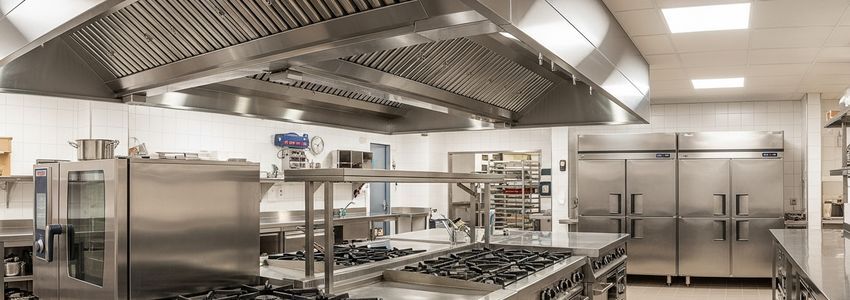
The scope of what can be financed is broad, covering virtually every piece of hardware needed to run a modern restaurant. This includes everything from heavy-duty cooking appliances like commercial ranges and deep fryers to front-of-house technology like advanced POS systems and customer-facing payment terminals. It can also cover refrigeration units, food preparation stations, furniture, and even ventilation systems. By leveraging equipment financing, restaurant owners can preserve their liquid cash for other critical operational expenses like payroll, inventory, and marketing.
Why Restaurant Equipment Financing is Crucial for Success
In the competitive foodservice landscape, having the right equipment is not a luxury-it's a necessity. The efficiency of your kitchen, the quality of your food, and the speed of your service are all directly impacted by the tools at your disposal. However, the initial capital outlay for this equipment can be staggering. Financing provides a strategic pathway to overcome this financial barrier and sets a restaurant up for long-term viability.
Here are the key reasons why restaurant equipment financing is a critical strategy for success:
- Cash Flow Preservation: Cash is the lifeblood of any business, especially in the restaurant industry where margins can be thin and expenses are constant. Paying for tens or hundreds of thousands of dollars' worth of equipment upfront can drain your cash reserves, leaving you vulnerable to unexpected costs or unable to invest in other growth areas like marketing or staff training. Financing spreads this cost over time, turning a massive capital expenditure into a predictable monthly operating expense.
- Access to Better Equipment: Financing allows you to acquire the best equipment for your needs, not just the cheapest equipment you can afford today. This means you can invest in more reliable, energy-efficient, and technologically advanced machinery. Better equipment leads to higher food quality, faster service, lower utility bills, and reduced maintenance costs, all of which contribute directly to your bottom line.
- Competitive Advantage: The restaurant industry is constantly evolving. Modern POS systems streamline ordering and payments, combi ovens offer versatile cooking options in a small footprint, and high-efficiency dishwashers save on labor and utilities. Financing enables you to keep pace with these innovations, ensuring your operations are as efficient and effective as your competitors'.
- Simplified Budgeting: An equipment financing agreement comes with a fixed monthly payment and a set term. This predictability makes financial planning and budgeting much simpler. You know exactly what you'll owe each month, allowing for more accurate cash flow forecasting without the surprise of a large, unplanned expense.
- Building Business Credit: Successfully managing and paying off an equipment loan is a great way to build a positive credit history for your business. This can make it easier to qualify for other types of financing in the future, such as a business line of credit or an expansion loan, on more favorable terms.
- Tax Benefits: In many cases, restaurant equipment financing offers significant tax advantages. Under Section 179 of the IRS tax code, businesses may be able to deduct the full purchase price of qualifying new or used equipment in the year it is put into service. This can provide a substantial tax savings that effectively lowers the net cost of the equipment. We always recommend consulting with a tax professional to understand the specific benefits for your business.
Types of Equipment You Can Finance
The range of assets that fall under the umbrella of "restaurant equipment" is vast, and thankfully, so are the financing options. Lenders who specialize in the restaurant industry understand the diverse needs of different concepts, from a small bakery to a large-scale catering operation. Essentially, if a piece of equipment is vital to your daily operations, there's a strong chance it can be financed. Let's break down the common categories of equipment eligible for financing.
Kitchen & Cooking Equipment
This is the core of any food service operation. These are the workhorses that handle the heat and volume of a busy service.
- Commercial Ovens: Convection, combi, conveyor, deck, and pizza ovens.
- Ranges and Stovetops: Gas or electric ranges with multiple burners, griddles, and broilers.
- Fryers: High-capacity gas or electric deep fryers.
- Grills and Charbroilers: For everything from steaks to vegetables.
- Holding and Warming Equipment: Steam tables, holding cabinets, and heat lamps to keep food at safe, servable temperatures.
- Ventilation Systems: Essential exhaust hoods and fire suppression systems required by health and safety codes.
Refrigeration & Storage
Proper cold storage is non-negotiable for food safety and inventory management.
- Walk-In Coolers and Freezers: For bulk storage of perishable goods.
- Reach-In Refrigerators and Freezers: For easy access in the kitchen line.
- Prep Tables with Refrigeration: Sandwich/salad prep stations with built-in cold storage.
- Ice Machines: A critical component for beverage service.
- Bar Coolers and Kegerators: Specialized refrigeration for front-of-house.
Front-of-House (FOH) & Service Equipment
These items directly impact the customer experience and service efficiency.
- Point-of-Sale (POS) Systems: The modern nerve center of a restaurant, including terminals, cash drawers, receipt printers, and kitchen display systems (KDS).
- Furniture: Tables, chairs, booths, and outdoor patio sets.
- Espresso Machines and Coffee Brewers: High-end commercial-grade machines for cafes and restaurants.
- Bar Equipment: Blenders, glass washers, and draft beer systems.
- Sound and Security Systems: To create ambiance and protect your assets.
Food Preparation & Sanitation
These tools boost kitchen efficiency and ensure compliance with health standards.
- Commercial Mixers: Large-capacity floor mixers for bakeries and pizzerias.
- Food Processors and Slicers: For consistent and rapid prep work.
- Stainless Steel Prep Tables and Sinks: The foundation of a sanitary kitchen workspace.
- Commercial Dishwashers: High-temperature, high-capacity units for rapid cleaning.
Ready to Equip Your Restaurant for Success?
Don't let equipment costs hold you back. Get the tools you need now with Crestmont Capital's fast and flexible financing solutions. See how much you qualify for in minutes.
Apply NowHow Restaurant Equipment Financing Works: The Process Explained
Navigating the financing process might seem daunting, but reputable lenders like Crestmont Capital have streamlined it to be as efficient as possible. The primary goal is to get you the equipment you need with minimal disruption to your business. While specifics can vary slightly between lenders, the core process generally follows these four key steps.
- Application: The journey begins with a simple application. Most modern lenders offer a secure online application that can be completed in minutes. You will provide basic information about your business, such as its legal name, address, time in business, and annual revenue. You'll also need to provide details about the equipment you wish to purchase, including the vendor, the total cost, and whether it's new or used.
- Documentation and Review: After submitting your application, the lender will review your business's financial health. For smaller financing amounts (typically under $250,000), this can often be an "application-only" process, meaning a decision can be made based on your business credit profile and the information provided without requiring extensive financial documents. For larger requests, you may be asked to provide additional documentation, such as bank statements, profit and loss statements, and tax returns. This stage is where the lender assesses risk and determines your eligibility for financing.
- Approval and Term Sheet: Once the review is complete, the lender will issue an approval and a term sheet. This document outlines the specific details of the financing offer, including:
- Loan Amount: The total amount being financed.
- Interest Rate: The cost of borrowing, expressed as a percentage. This can be fixed or variable.
- Term Length: The duration of the loan, typically 24 to 84 months.
- Monthly Payment: The fixed amount you will pay each month.
- Any associated fees: Such as origination or documentation fees.
- Funding and Equipment Purchase: Upon accepting the terms and signing the financing agreements, the final step is funding. The lender will typically pay the equipment vendor directly. This is a key advantage, as it simplifies the process for you. You don't have to handle a large sum of money or coordinate a complex payment. Once the vendor is paid, they will arrange for the delivery and installation of your new equipment. Your first loan payment will typically be due 30 days later, allowing you to get the equipment up and running and generating revenue before your first payment is made.
By the Numbers: The Restaurant Industry & Equipment Costs
$900B+
Projected U.S. Restaurant Industry Sales
$115,000
Average Cost of Kitchen Equipment for a New Restaurant
1 Million+
Restaurant Locations in the United States (U.S. Census Bureau)
5-10 Years
Typical Lifespan of Heavy-Duty Commercial Kitchen Equipment
Comparing Your Options: Financing vs. Leasing vs. Paying Cash
When it's time to acquire new equipment, you generally have three primary options: financing the purchase, leasing the equipment, or paying for it upfront with cash. Each method has distinct advantages and disadvantages, and the best choice depends on your restaurant's financial situation, long-term goals, and the type of equipment you need. Understanding these differences is key to making a sound financial decision.
| Feature | Restaurant Equipment Financing | Equipment Leasing | Paying Cash |
|---|---|---|---|
| Ownership | You own the equipment outright at the end of the loan term. | You do not own the equipment. You are essentially renting it. You may have an option to buy it at the end of the lease. | You own the equipment immediately. |
| Upfront Cost | Low. Typically requires little to no down payment. | Low. Usually requires the first and last month's payment. | Very High. Requires 100% of the purchase price upfront. |
| Total Cost of Acquisition | Moderate. You pay the purchase price plus interest over the loan term. | Can be higher over time if you choose to buy out the equipment at the end of the lease. | Lowest. You only pay the purchase price of the equipment. |
| Tax Implications | Potential for full purchase price deduction under Section 179, plus interest deduction. | Lease payments are typically treated as a fully deductible operating expense. | Depreciation can be deducted over the asset's useful life. Section 179 may also apply. |
| Flexibility & Upgrades | Less flexible. You own the asset, so upgrading means selling the old equipment and acquiring new. | Highly flexible. Easy to upgrade to newer technology at the end of the lease term. | Inflexible. Upgrading requires a new, large cash outlay. |
| Impact on Cash Flow | Minimal. Preserves working capital by spreading the cost over time with predictable monthly payments. | Minimal. Low monthly payments preserve cash flow. | Major. Significantly depletes cash reserves. |
| Best For | Equipment with a long useful life that you intend to keep for many years (e.g., ovens, walk-in coolers). | Equipment that quickly becomes obsolete (e.g., POS systems, computers) or for short-term needs. | Businesses with very strong cash reserves that can afford the large outlay without impacting operations. |
A Deeper Look at Each Option
Financing: As detailed throughout this guide, financing is a powerful tool for building equity in your business. It's an ideal choice for foundational, long-lasting equipment. While the total cost is higher than paying cash due to interest, the ability to preserve capital and leverage potential tax benefits often makes it the most strategic financial move. Ownership provides long-term stability and control over your assets.
Leasing: Equipment leasing is an excellent option for technology that requires frequent updates, like POS systems. It offers the lowest monthly payments and makes it simple to stay current with the latest models. The primary drawback is that you don't build equity. At the end of the term, you must return the equipment, renew the lease, or purchase it, often at its fair market value. It's a great solution for managing technology cycles but less ideal for core kitchen hardware.
Paying Cash: On the surface, paying cash seems like the cheapest option because you avoid interest payments. However, this perspective ignores the opportunity cost of that capital. The large sum of money used to buy an oven could have been used for a high-return marketing campaign, hiring a key employee, or as a safety net for slow seasons. For most small and medium-sized restaurants, depleting cash reserves to this extent introduces significant financial risk. It's generally only advisable for highly capitalized businesses where the purchase price represents a small fraction of their liquid assets.
Find the Perfect Funding Solution for Your Restaurant
Whether you're looking to finance, lease, or explore other options, our experts can help. We offer tailored solutions to fit your specific needs and budget.
Apply NowKey Factors Lenders Consider for Approval
Lenders aim to partner with businesses that demonstrate stability and the ability to repay their loans. When you apply for restaurant equipment financing, they will assess several key factors to determine your creditworthiness. Understanding these criteria can help you prepare a stronger application and increase your chances of approval on favorable terms.
- Credit Score: Both your personal and business credit scores are important. A strong credit history demonstrates responsible financial management. While a perfect score isn't necessary, lenders typically look for a personal FICO score of 620 or higher. Businesses with lower scores may still qualify but might face higher interest rates.
- Time in Business: Lenders prefer to work with established businesses, as they have a proven track record. Most lenders require a minimum of one to two years in operation. However, specialized lenders like Crestmont Capital offer startup programs designed for new restaurants, which may require a strong business plan and good personal credit.
- Annual Revenue: Your restaurant's revenue is a direct indicator of its ability to handle monthly loan payments. Lenders will look at your gross annual sales to ensure they are sufficient to support your existing expenses plus the new loan obligation. Many lenders have a minimum annual revenue requirement, often starting around $100,000 to $250,000.
- Cash Flow: Beyond top-line revenue, lenders are keenly interested in your cash flow. They will often review recent bank statements (typically the last 3-6 months) to see the flow of money in and out of your business accounts. Consistent positive cash flow and a healthy average daily balance show that you can comfortably manage your finances and afford the new payment.
- The Equipment Itself: Since the equipment serves as collateral, its value and useful life are also considered. Lenders are more comfortable financing durable, high-quality equipment with a strong resale value. This inherent collateral reduces the lender's risk, making equipment loans one of the more accessible forms of business financing.
Real-World Scenarios: How Financing Helps Different Restaurants
To better understand the practical application of restaurant equipment financing, let's look at three distinct scenarios faced by different types of restaurant owners.
Scenario 1: The Startup Pizzeria - "Maria's Authentic Pies"
The Challenge: Maria is a talented chef ready to open her first pizzeria. She has secured a great location and has a solid business plan, but her startup capital is finite. The cost for essential equipment-a large deck oven, a 60-quart mixer, a walk-in cooler, and a POS system-totals $85,000. Paying cash would exhaust nearly all her reserves, leaving nothing for initial inventory, marketing, or unexpected opening-week expenses.
The Solution: Maria applies for restaurant equipment financing. Because the equipment itself serves as collateral and she has a strong personal credit score and a detailed business plan, she is approved. She secures 100% financing for the $85,000 equipment package with a 5-year term. Her monthly payment is a manageable $1,800. This allows her to keep her cash reserves intact for operating expenses. She can now afford a grand opening marketing push and has a comfortable cash cushion for the critical first few months of operation.
Scenario 2: The Expanding Coffee Shop - "The Daily Grind"
The Challenge: David's coffee shop, "The Daily Grind," has been a local favorite for five years and is highly profitable. He's ready to open a second location in a neighboring town. He needs to duplicate his equipment setup: a high-end espresso machine, grinders, brewers, a pastry display case, and a POS system, costing $50,000. While his current location generates enough cash to cover this, he doesn't want to pull that much capital out of his successful business, as he uses it for regular inventory orders and payroll.
The Solution: David leverages his business's strong financial history to secure an equipment loan. With five years in business and excellent revenue, he is approved within hours for the full $50,000 with a very competitive interest rate over a 3-year term. The new location can begin generating revenue immediately, and its own profits will easily cover the monthly loan payment. David successfully expands his brand without disrupting the cash flow of his original, profitable location.
Scenario 3: The Established Fine-Dining Restaurant - "Le Chateau"
The Challenge: "Le Chateau," a 15-year-old fine-dining establishment, is facing challenges with its aging kitchen. The original convection ovens are inefficient, leading to high utility bills and inconsistent cooking. The walk-in freezer is prone to breakdowns, risking expensive inventory loss. The total cost to upgrade the entire cooking line and refrigeration system is $150,000.
The Solution: The owner, Chef Antoine, uses equipment financing to fund the complete kitchen overhaul. He finances the $150,000 over a 7-year term. The benefits are immediate and multifaceted. The new, energy-efficient ovens and freezer significantly reduce his monthly utility bills. The state-of-the-art cooking equipment improves food quality and consistency, allowing his team to work more efficiently and reduce ticket times. The savings on energy and the reduction in food waste, combined with the increased kitchen output, more than offset the monthly loan payment, resulting in a net positive impact on his profitability.
The Benefits of Choosing the Right Financing Partner
Not all lenders are created equal. When seeking restaurant equipment financing, partnering with a lender that understands the unique challenges and opportunities of the foodservice industry can make a significant difference. A specialized lender offers more than just capital; they provide expertise, speed, and flexibility that a traditional bank may not.
The right partner recognizes that a restaurateur's time is best spent running their business, not navigating complex financial paperwork. They will have a streamlined application process, often requiring minimal documentation for faster approvals. They understand the urgency-when an oven breaks down mid-week, you need a replacement funded in days, not weeks. Furthermore, an experienced lender can structure financing terms that align with your business's cash flow cycles, offering solutions that a one-size-fits-all approach cannot. They become a strategic partner in your growth, offering insights and financial products tailored to your industry's needs, from restaurant business loans for expansion to unsecured working capital loans for seasonal inventory.
How Crestmont Capital Streamlines Restaurant Equipment Financing
At Crestmont Capital, we pride ourselves on being that specialized financial partner for the restaurant industry. We have dedicated years to understanding the nuances of your business, which allows us to provide financing solutions that are fast, flexible, and effective. Our process is designed with the busy restaurant owner in mind, focusing on simplicity and speed to get you the funding you need without the hassle.
Our key advantages include:
- Simple, Fast Application: Our secure online application takes just a few minutes to complete. For many requests, we offer an "application-only" program, meaning you can get approved for up to $250,000 with no extensive financial paperwork required.
- High Approval Rates: We look beyond just a credit score. We take a holistic view of your business's health, which allows us to approve a wider range of businesses, including startups and those with less-than-perfect credit.
- Rapid Funding: We know that time is money. Our streamlined underwriting process enables us to provide credit decisions in hours and fund your equipment purchase in as little as 24-48 hours.
- Flexible Terms: We work with you to structure a financing plan that fits your budget. With terms ranging from 24 to 84 months, we can find a monthly payment that works for your cash flow.
- 100% Financing: Our programs can cover the full cost of the equipment, including taxes, shipping, and installation, so you have minimal to zero out-of-pocket expenses.
- Dedicated Account Managers: You'll work with a dedicated financing expert who understands the restaurant industry and will guide you through every step of the process, answering all your questions along the way.
We are committed to helping your restaurant thrive. By providing accessible and strategic capital, we empower you to invest in the equipment that will drive your efficiency, enhance your quality, and grow your bottom line.
Your Next Steps to Securing Funding
Ready to take the next step and acquire the equipment your restaurant needs? Follow this simple, structured path to secure your financing with ease.
- 1 Assess Your Needs & Get a Quote. Create a detailed list of the exact equipment you need. Contact one or more vendors to get official quotes that include the base price, shipping, taxes, and any installation fees. This total amount is what you will need to finance.
- 2 Gather Basic Information. While our application is simple, it's helpful to have some basic information ready: your business's legal name, tax ID (EIN), time in business, and estimated annual revenue. For larger loans, be prepared with your last 3-6 months of business bank statements.
- 3 Complete Our Quick Application. Click the "Apply Now" button below to access our secure, one-page application. It takes only a few minutes to fill out and submit your request for review by our financing specialists.
- 4 Review Your Offer and Get Funded. Once approved, your dedicated account manager will contact you to review the terms of your financing offer. After you sign the documents, we'll work directly with your chosen vendor to finalize the payment, so you can get your equipment delivered and start cooking.
Your New Kitchen is Just an Application Away
Take the first step towards a more efficient and profitable restaurant. Our simple application process can get you approved in hours.
Apply NowFrequently Asked Questions (FAQ)
1. What is the minimum credit score required for restaurant equipment financing?
While a higher credit score will result in more favorable terms, many lenders, including Crestmont Capital, can work with business owners with a wide range of credit profiles. Generally, a personal FICO score of 620 or above is preferred, but we have programs available for those with lower scores, especially if the business shows strong cash flow and has been in operation for a reasonable amount of time.
2. Can I finance used restaurant equipment?
Absolutely. Financing is available for both new and used equipment. This is a great way to save money, as used equipment can be significantly less expensive. Lenders will assess the value and expected lifespan of the used equipment when determining the financing terms.
3. How long does the financing process take?
The process is designed to be very fast. After submitting a simple online application, you can often receive a credit decision within a few hours. Once you approve the terms and sign the documents, funding can occur in as little as 24 to 48 hours, with payment made directly to the equipment vendor.
4. Do I need a down payment?
Many restaurant equipment financing programs do not require a significant down payment. It's common to find options that offer 100% financing, covering the full cost of the equipment plus soft costs like taxes, shipping, and installation. Some programs may ask for one or two payments upfront, but this is far less than the 20-30% down payment often required by traditional banks.
5. What happens at the end of the financing term?
With an equipment financing agreement (as opposed to a lease), once you make your final payment, you own the equipment free and clear. There are no further obligations or buyout clauses. The asset is yours to keep, sell, or continue using in your business.
6. Can a new restaurant or startup get equipment financing?
Yes. While it can be more challenging for a business with no operating history, there are startup financing programs available. These programs often place more weight on the owner's personal credit history, industry experience, and the strength of their business plan. A down payment may also be required for startups.
7. What are the typical interest rates for restaurant equipment financing?
Interest rates vary widely based on your credit score, time in business, annual revenue, and the loan term. Businesses with strong credit and a long, profitable history can expect to receive very competitive, bank-like rates. Businesses that are newer or have challenged credit will see higher rates to offset the lender's increased risk.
8. Is restaurant equipment financing the same as leasing?
No, they are different. Financing is a loan to purchase equipment, leading to ownership at the end of the term. Leasing is essentially a long-term rental agreement where you use the equipment for a set period. At the end of a lease, you typically return the equipment, renew the lease, or purchase it at its fair market value.
9. Can I finance soft costs like installation and training?
Yes, many financing agreements allow you to bundle soft costs into the total loan amount. This can include expenses for delivery, installation, and initial training on how to use complex equipment. This allows you to finance the total cost of acquisition with a single monthly payment.
10. What documents do I need to apply?
For financing requests under $250,000, many lenders offer an "application-only" process. This means you only need to fill out the application form with basic business information. For larger loan amounts, you will likely need to provide the last 3-6 months of your business bank statements and possibly your most recent business tax return.
11. Will applying for financing affect my credit score?
When you apply, lenders will perform a credit check. Some lenders use a "soft pull" for the initial review, which does not impact your credit score. If you proceed with the loan, a "hard pull" will be performed, which may cause a small, temporary dip in your score. This is a standard part of any loan application process.
12. Can I pay off the loan early?
This depends on the specific terms of your financing agreement. Some loans allow for early prepayment without any penalty, while others may have a prepayment penalty. It's important to clarify this with your lender before signing the agreement if you anticipate being able to pay off the loan ahead of schedule.
13. What types of restaurants do you finance?
We provide financing for all types of food service businesses, including fine-dining restaurants, quick-service restaurants (QSRs), fast-casual establishments, cafes, bakeries, bars, food trucks, ghost kitchens, and catering companies.
14. Can I choose my own equipment vendor?
Yes. You are free to choose any reputable vendor for your equipment, whether they are a national supplier, a local dealer, or a private seller. Once you are approved for financing, we will coordinate payment directly with the vendor you have selected.
15. Are there tax benefits to financing equipment?
Yes, there can be significant tax advantages. Section 179 of the IRS code allows businesses to potentially deduct the full purchase price of qualifying equipment in the year it's placed into service. Additionally, the interest paid on the loan is typically tax-deductible. Always consult with a tax advisor to understand the specific benefits for your business.
Investing in the right equipment is fundamental to the success and growth of your restaurant. By leveraging smart financing solutions, you can acquire the tools you need to excel without compromising your financial stability. Restaurant equipment financing is not just a loan-it's a strategic investment in your business's future, enabling you to conserve capital, improve efficiency, and stay ahead of the competition. With a clear understanding of the process and a reliable financial partner, you can equip your vision for success.
The information provided in this article is for general educational purposes only and is not financial, legal, or tax advice. All financial decisions should be made in consultation with a qualified professional. Crestmont Capital provides financing and is not the seller of any equipment.