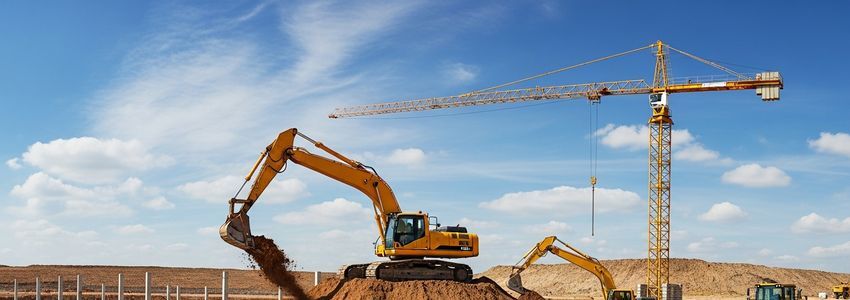
Heavy machinery equipment financing gives businesses a way to acquire the powerful, expensive equipment they need to operate and grow - without draining working capital or waiting years to save up. Whether you run a construction firm, a manufacturing plant, an agricultural operation, or a logistics company, the right financing structure can put critical equipment in your hands fast while protecting your cash flow for day-to-day operations.
This guide covers everything you need to know: how heavy machinery financing works, what types of equipment qualify, what rates and terms look like, who qualifies, and how Crestmont Capital can help you get funded quickly.
In This Article
- What Is Heavy Machinery Equipment Financing?
- Types of Heavy Machinery That Can Be Financed
- How Heavy Machinery Financing Works
- Equipment Financing vs. Leasing: Key Differences
- Rates, Terms, and Loan Amounts
- Who Qualifies for Heavy Machinery Financing?
- Key Benefits of Equipment Financing
- How Crestmont Capital Helps
- Real-World Scenarios
- Comparison: Financing Options for Heavy Machinery
- How to Get Started
- Frequently Asked Questions
What Is Heavy Machinery Equipment Financing?
Heavy machinery equipment financing is a funding solution that allows businesses to purchase or lease large-scale industrial, agricultural, or construction equipment. Instead of paying the full purchase price upfront, the business takes out a loan or enters a lease agreement to spread the cost over a defined period - typically 24 to 84 months.
The equipment itself usually serves as collateral, which makes these loans easier to qualify for than many unsecured business loans. Lenders are comfortable extending larger amounts because the machinery retains significant value and can be repossessed if necessary. For businesses, this structure means they can start generating revenue with the equipment before they finish paying for it.
According to the Equipment Leasing and Finance Association (ELFA), U.S. businesses finance more than $1 trillion in equipment annually, with construction and industrial machinery representing one of the largest categories. This reflects how central equipment financing has become to how American businesses grow and compete.
Industry Insight: The global heavy construction equipment market was valued at over $200 billion in 2023 and continues to grow. Access to financing is a critical competitive advantage for businesses in capital-intensive industries.
Need Heavy Machinery Financing?
Get fast, flexible equipment financing from the #1 business lender in the U.S. Apply in minutes and get a decision fast.
Apply Now →Types of Heavy Machinery That Can Be Financed
Heavy machinery encompasses a wide range of equipment across multiple industries. If the equipment has a useful life of more than one year and serves a clear business purpose, it can almost certainly be financed. Here are the most commonly financed categories:
Construction Equipment
- Excavators and backhoes
- Bulldozers and scrapers
- Cranes and lifting equipment
- Concrete mixers and pumps
- Graders and compactors
- Skid steers and track loaders
- Paving and asphalt equipment
Manufacturing and Industrial Equipment
- CNC machines and precision tools
- Metal fabrication equipment
- Injection molding machines
- Industrial presses and lathes
- Conveyor systems
- Industrial generators
- Welding equipment
Agricultural Equipment
- Tractors and combines
- Harvesters and threshers
- Irrigation systems
- Planting and seeding equipment
- Livestock management systems
Transportation and Logistics Equipment
- Semi-trucks and tractor-trailers
- Forklifts and pallet jacks
- Flatbed and refrigerated trailers
- Aerial work platforms and boom lifts
Both new and used equipment can typically be financed, though used machinery financing may carry slightly higher interest rates or shorter loan terms depending on the equipment's age and condition.
How Heavy Machinery Financing Works
The process of financing heavy machinery is straightforward. Here is what to expect from application to funded:
Step 1: Identify Your Equipment Needs
Before applying, know exactly what equipment you need, whether it is new or used, and which vendor or dealer you plan to purchase from. Having a quote or invoice ready speeds up the process significantly. Lenders want to understand the asset they are financing.
Step 2: Choose Your Financing Structure
The two primary options are an equipment loan and an equipment lease. With a loan, you own the equipment outright once the loan is paid off. With a lease, you use the equipment for a set term and return it at the end (or buy it out). Your choice depends on whether you want ownership, how long you need the equipment, and how you prefer to structure your balance sheet.
Step 3: Apply for Financing
Most lenders require basic business financial information, including several months of bank statements, a credit profile, and details about the equipment being financed. Crestmont Capital offers a streamlined application process that takes just minutes to complete online.
Step 4: Review and Accept Terms
Once approved, you will receive a financing offer outlining the loan amount, interest rate, monthly payment, and loan term. Review these carefully and ask questions if anything is unclear before signing.
Step 5: Equipment Is Purchased and Delivered
After you accept the offer and documentation is complete, the lender typically pays the equipment vendor directly. The equipment is delivered to your business and you begin making monthly payments. In many cases, funding happens within days of approval.
Quick Guide
How Heavy Machinery Financing Works - At a Glance
Know what you need, have a quote ready, and confirm new or used status.
Apply online in minutes with basic business and financial information.
Review your offer, negotiate if needed, and sign documentation.
Lender pays vendor directly; equipment arrives and you start making payments.
Equipment Financing vs. Leasing: Key Differences
When exploring heavy machinery funding, you will encounter two main structures: financing (a loan) and leasing. Both have legitimate advantages depending on your situation. Here is how they compare:
| Factor | Equipment Loan (Financing) | Equipment Lease |
|---|---|---|
| Ownership | You own equipment after payoff | Lender owns; you use it |
| Monthly Payment | Typically higher | Often lower |
| Down Payment | May be required (10-20%) | Often first/last payment only |
| End of Term | Equipment is yours free and clear | Return, renew, or buy out |
| Best For | Long-term use, stable technology | Equipment upgrades, flexible needs |
| Balance Sheet Impact | Asset + liability recorded | Operating lease may be off-balance-sheet |
| Credit Requirements | Moderate to strong | Often more flexible |
For most businesses acquiring heavy machinery intended for long-term, intensive use, a loan (equipment financing) is often the better choice. You build equity in the asset, you can eventually own it outright, and there are no restrictions on usage, wear, or modifications. Leasing makes more sense when you need to upgrade equipment frequently or want to keep payments lower in the short term.
Pro Tip: If you plan to use the machinery for its entire useful life and your cash flow can support slightly higher payments, financing and owning typically delivers a better return on investment over time compared to leasing.
Rates, Terms, and Loan Amounts
Understanding the financial structure of heavy machinery loans helps you plan more accurately and avoid surprises. Here is a breakdown of what to expect:
Interest Rates
Heavy machinery financing rates typically range from 6% to 30% APR, depending on factors including your credit profile, time in business, revenue, down payment, and the type and age of the equipment. Businesses with strong credit and solid financials often qualify for rates at the lower end of this range. Newer businesses or those with credit challenges may see higher rates, but can often still qualify.
Loan Terms
Terms typically range from 24 to 84 months, with longer terms available for higher-value equipment. Shorter terms mean higher monthly payments but less total interest paid. Longer terms reduce monthly payments and improve cash flow but increase the total cost of borrowing. Most heavy machinery loans run 48 to 60 months.
Loan Amounts
Heavy machinery loans commonly range from $25,000 to $5 million or more, depending on the equipment and the lender. Crestmont Capital works with a wide network of lenders to accommodate both mid-range equipment purchases and large capital expenditures. There is no one-size-fits-all amount - the right loan size depends on what you need.
Down Payments
Many lenders require a down payment of 10% to 20% of the equipment's purchase price. However, some financing programs offer 100% financing with no money down, particularly for businesses with strong credit and time in business. A larger down payment can often secure better terms and lower monthly payments.
Who Qualifies for Heavy Machinery Financing?
One of the most attractive features of heavy machinery financing is that the qualification requirements are generally more accessible than other forms of business lending. Because the equipment acts as collateral, lenders are willing to work with a broader range of business profiles.
Typical Qualification Requirements
- Credit Score: Most lenders prefer a personal or business credit score of 600 or higher, though some programs serve businesses with lower scores
- Time in Business: Many lenders prefer at least 1-2 years in business, though startup programs exist for newer companies
- Revenue: Lenders typically want to see sufficient monthly revenue to service the loan comfortably - usually at least 1.25x the monthly payment
- Industry: Most industries that use heavy machinery are eligible, including construction, agriculture, manufacturing, mining, and transportation
- Equipment Age: New equipment is easiest to finance; used equipment up to 10-15 years old is also commonly financed
Startup Exception: Businesses with less than two years of history can sometimes qualify for equipment financing by providing a strong business plan, detailed financial projections, and a larger down payment. This is one area where equipment loans outperform most other business loan types for new ventures.
Find Out If You Qualify Today
Crestmont Capital works with businesses across all credit profiles. Our advisors will match you with the best equipment financing option for your situation.
Check Your Options →Key Benefits of Heavy Machinery Equipment Financing
There are several compelling reasons why businesses choose financing over paying cash for heavy machinery:
1. Preserve Working Capital
Paying cash for a $500,000 piece of equipment wipes out capital that could be used for payroll, inventory, marketing, or emergency reserves. Financing lets you spread that cost over time while keeping cash available for daily operations.
2. Start Generating Revenue Immediately
Once the equipment is delivered, you can put it to work. The revenue it generates can offset - and often exceed - the monthly loan payment. You are essentially having the equipment pay for itself.
3. Flexible Payment Structures
Equipment financing can often be structured to match your cash flow. Seasonal businesses may qualify for skip-payment options during slow months. Some lenders offer step-up payments that start lower and increase as your revenue grows.
4. Build Business Credit
Responsibly managed equipment loans build your business credit profile, which opens doors to better financing terms in the future. Each on-time payment improves your creditworthiness with lenders.
5. Competitive Advantage
Access to better equipment often means better quality output, faster project completion, and the ability to take on more or larger contracts. Financing enables you to upgrade before you can afford it outright, which can accelerate your growth trajectory significantly.
6. Predictable Monthly Costs
Fixed monthly payments make it easier to budget and forecast. Unlike variable operational costs, your equipment payment stays consistent throughout the loan term, which simplifies financial planning.
How Crestmont Capital Helps
Crestmont Capital is rated the #1 business lender in the United States, and equipment financing is one of our core specialties. We work with businesses across virtually every industry to secure the capital they need for heavy machinery and large equipment purchases.
Our team understands that every business situation is different. That is why we work with a broad network of lenders and financing programs to find the right match for your credit profile, industry, and equipment type. Whether you need construction equipment financing, industrial machinery funding, or agricultural equipment financing, we can help.
What sets Crestmont apart:
- Fast approvals: Many applications receive decisions within 24-48 hours
- Flexible programs: We accommodate startups, businesses with credit challenges, and established companies alike
- Wide equipment range: From $25,000 machines to multi-million-dollar capital projects
- Dedicated advisors: A real person walks you through your options and handles the paperwork
- Nationwide reach: We serve businesses in all 50 states
If you are also exploring broader financing needs, we offer business lines of credit and working capital loans that can complement your equipment financing strategy.
Real-World Scenarios: How Businesses Use Heavy Machinery Financing
Scenario 1: Construction Company Wins a Major Contract
A mid-sized construction company in Texas lands a $2.5 million road paving contract. The project requires two new asphalt pavers and a motor grader - equipment totaling approximately $800,000. Rather than depleting their cash reserves entirely, they finance the equipment over 60 months. The monthly payment of approximately $15,600 is covered by the contract revenue, and they retain enough working capital to fund labor, materials, and subcontractors throughout the project. The equipment also positions them to bid on future contracts of similar or greater size.
Scenario 2: Agricultural Operation Expands Before Harvest Season
A family-owned grain farm in Iowa needs to replace an aging combine harvester before the fall harvest. A new combine runs $450,000 - more than they have liquid at the start of the season. They secure a 48-month equipment loan with a modest down payment, take delivery of the combine in August, and use it to harvest 20% more acreage than the previous year due to the equipment's superior capacity. The additional revenue from the expanded harvest covers the first year of loan payments.
Scenario 3: Manufacturing Facility Upgrades to Stay Competitive
A precision manufacturing company in Michigan needs to invest in a new CNC machining center to fulfill a contract with an automotive supplier. The machine costs $350,000. By financing it rather than purchasing outright, they keep $350,000 in their operating account to cover materials, payroll, and the ramp-up costs associated with the new contract. The machining center pays for itself within 18 months through the contract revenue it enables.
Scenario 4: Startup Contractor Secures Their First Big Job
A two-year-old electrical contracting company in Georgia wins a commercial project that requires a scissor lift and a bucket truck they do not own. Rather than turning down the contract or renting equipment at premium rates for 8 months, they finance both pieces for $120,000 over 48 months. The monthly payments come in well under the rental cost for the project duration, and after the project they own equipment that generates revenue on future jobs.
Scenario 5: Logistics Company Scales a Growing Fleet
A logistics operator in Ohio needs to add three semi-trucks to their fleet to handle a new distribution contract. Purchasing three trucks outright at $180,000 each would require $540,000 in cash. By financing all three simultaneously, they keep over $400,000 in reserve while deploying the capacity they need. The contract revenue easily services the loan payments, and the company grows its fleet without financial strain.
By the Numbers
Heavy Machinery Financing in the U.S. - Key Statistics
$1T+
Equipment financed annually in the U.S. (ELFA)
80%
Of U.S. businesses use some form of equipment financing
48-72hr
Typical approval and funding timeline
$200B+
Global heavy construction equipment market size
Comparison: Financing Options for Heavy Machinery
When shopping for heavy machinery financing, you may encounter several different lender types and program structures. Here is how they compare:
| Financing Source | Speed | Rates | Flexibility | Best For |
|---|---|---|---|---|
| Crestmont Capital | Fast (24-72 hrs) | Competitive | Very High | All businesses |
| Traditional Banks | Slow (weeks) | Often low | Low | Established businesses w/ strong credit |
| Equipment Dealers | Fast | Higher | Limited | Convenience-focused buyers |
| SBA Loans | Slow (1-3 months) | Low | Moderate | Businesses needing large amounts with long terms |
| Equipment Leasing Companies | Moderate | Variable | Moderate | Businesses wanting lower payments, upgrade flexibility |
Ready to Finance Your Heavy Machinery?
Crestmont Capital makes it simple. Apply online in minutes and get matched with the best financing option for your business.
Apply Now - No Obligation →How to Get Started
Complete our quick application at offers.crestmontcapital.com/apply-now - takes just a few minutes and requires no commitment.
A Crestmont Capital equipment financing advisor will review your application, discuss your needs, and match you with the right program and lender.
Receive approval, sign your documents, and have your equipment purchased and delivered - often within days. Your machinery starts earning for your business immediately.
Frequently Asked Questions
Conclusion
Heavy machinery equipment financing is one of the most effective tools available to businesses in capital-intensive industries. It allows you to acquire the equipment you need now, start generating revenue immediately, and preserve the working capital that keeps your operations running smoothly. Whether you need a single excavator or an entire fleet of industrial machines, there is a financing structure that fits your situation.
Crestmont Capital specializes in helping businesses navigate the equipment financing landscape quickly and efficiently. Our team understands heavy machinery financing inside and out, and we have the lender network to match you with the right program regardless of your credit profile or industry. Do not let capital constraints hold your business back - the right equipment, financed correctly, can be the catalyst for your next phase of growth.
Ready to get started? Apply now and let Crestmont Capital put your heavy machinery financing in motion.
Disclaimer: The information provided in this article is for general educational purposes only and is not financial, legal, or tax advice. Funding terms, qualifications, and product availability may vary and are subject to change without notice. Crestmont Capital does not guarantee approval, rates, or specific outcomes. For personalized information about your business funding options, contact our team directly.