Sheep dairy financing gives farmers the capital to buy dairy ewes, build or retrofit a milking parlor, purchase creamery equipment, and cover operating costs while a flock reaches full production. Whether you are converting an existing barn into a licensed sheep dairy, adding a sheep milk enterprise to an established farm, or scaling a homestead flock into a commercial creamery, the right funding structure can be the difference between a slow, cash-strapped start and a profitable first season.
Sheep milk is one of the most premium segments of the American dairy market. It is richer in fat and protein than cow or goat milk, yields far more cheese per pound, and commands premium prices from creameries and consumers alike. Yet because the U.S. sheep dairy industry is small and specialized, many traditional banks do not understand it. This guide explains exactly how sheep dairy financing works, what it costs to get started, which loan options fit each part of the operation, and how to qualify.
In This Article
- What Is Sheep Dairy Financing?
- Why Sheep Dairying Is a Smart Business Move
- How Sheep Dairy Financing Works
- Types of Sheep Dairy Financing
- Sheep Dairy Startup Costs: What to Budget
- Who Qualifies for Sheep Dairy Financing?
- Sheep Dairy vs. Cow Dairy: A Financing Comparison
- How to Apply for Sheep Dairy Financing
- How Crestmont Capital Helps Sheep Dairy Farmers
- Real-World Sheep Dairy Financing Scenarios
- Frequently Asked Questions
- How to Get Started
- The Bottom Line on Sheep Dairy Financing
What Is Sheep Dairy Financing?
Sheep dairy financing is any form of business funding used to start, expand, or operate a dairy that milks sheep. It covers the purchase of dairy ewes and rams, milking parlor construction and equipment, bulk tanks and refrigeration, creamery and cheese-making equipment, feed and veterinary costs, and the working capital needed to carry the operation through its first lambing and lactation cycles.
Unlike generic farm loans, sheep dairy financing is usually assembled from several funding products that each match a specific asset or expense. Equipment financing covers the milking parlor, bulk tank, and creamery machinery. A term loan or livestock loan covers the animals themselves. A business line of credit smooths out the seasonal rhythm of sheep dairying, where milk checks and cheese sales cluster around lambing season and the artisan cheese market.
Because sheep dairying sits at the intersection of agriculture and specialty food production, lenders evaluate it as a business first. They look at your management experience, your milk marketing plan, your flock genetics, and your projected cash flow. A well-prepared application that shows realistic production numbers and a credible buyer for your milk or cheese is far more persuasive than acreage or collateral alone.
Why Sheep Dairying Is a Smart Business Move
Sheep milk is a premium product, and the economics reflect that. Sheep milk contains roughly twice the milk solids of cow milk, with fat content commonly around 6 to 7 percent and protein around 5 to 6 percent. Those solids translate directly into cheese yield: cheesemakers routinely get 18 to 20 pounds of cheese from 100 pounds of sheep milk, compared with about 10 pounds from 100 pounds of cow milk. When your revenue is tied to solids rather than volume, every ewe punches well above her weight.
Demand is on your side as well. Many of the world's most celebrated cheeses, including Roquefort, Pecorino Romano, Manchego, and traditional feta, are made from sheep milk, and the United States imports the vast majority of the sheep milk cheese it consumes. Domestic creameries actively look for reliable local sheep milk suppliers, and farmstead sheep cheese, yogurt, and gelato command premium prices at farmers markets, restaurants, and specialty retailers. Sheep farming establishments are counted by the thousands in U.S. Census Bureau economic census data, yet only a small fraction milk sheep commercially, leaving domestic sheep milk supply far short of demand.
Sheep also fit land and labor realities that cattle do not. A commercial sheep dairy can run profitably on a modest acreage, ewes are far cheaper than dairy cows to purchase and feed, and the flock produces three income streams: milk, lambs for meat, and breeding stock sales. For farmers priced out of cow dairying or looking to diversify, sheep offer an accessible entry into premium dairy production.
Key Stat: Cheesemakers typically produce 18 to 20 pounds of cheese per 100 pounds of sheep milk, roughly double the yield from cow milk. That efficiency is why sheep milk often sells for two to three times the price of cow milk per hundredweight at the farm gate.
How Sheep Dairy Financing Works
The mechanics of sheep dairy financing are straightforward once you match each funding product to the asset it covers. Here is the typical sequence:
Step 1: Define the project. Lenders want a clear picture of what you are funding: the number of ewes, the parlor type and capacity, facility work, creamery equipment, and the first year of operating expenses. A itemized project budget with real vendor quotes carries far more weight than a single lump-sum request.
Step 2: Match products to assets. Long-lived equipment like parlors, bulk tanks, and pasteurizers fits equipment financing with terms of three to seven years. Livestock purchases fit term loans structured around the productive life of the animals. Seasonal expenses like feed, labor, and supplies fit a revolving line of credit that you draw down and repay as milk and cheese revenue arrives.
Step 3: Apply with a production-minded package. You will provide identification, recent bank statements, tax returns, a business plan with a milk marketing strategy, and quotes for the animals and equipment you intend to buy. Alternative lenders like Crestmont Capital can often issue a decision within one to three business days, compared with weeks at a traditional bank.
Step 4: Fund, purchase, and put the assets to work. Equipment financing is typically paid directly to the vendor. Term loan and working capital proceeds deposit to your business account so you can buy ewes, complete the buildout, and cover expenses while the flock moves into its first lactation.
Types of Sheep Dairy Financing
Most successful sheep dairies combine two or three of the following products. Each serves a distinct purpose in the operation.
Equipment financing. The backbone of most sheep dairy funding. Milking parlors, milk lines, bulk tanks, plate coolers, pasteurizers, cheese vats, skid steers, and feed mixers all qualify. The equipment itself serves as collateral, which keeps approval requirements accessible and rates competitive. Crestmont Capital's equipment financing programs cover new and used machinery with terms matched to the useful life of the asset.
Livestock and term loans. Dairy ewes and rams are productive assets with a working life of five to eight years, and lenders will finance them much like equipment. A term loan sized to your flock purchase, typically with a two to five year repayment window, lets you buy proven East Friesian or Lacaune genetics now and pay for them out of milk revenue.
Working capital loans. A sheep dairy spends money for months before the first milk check arrives. Working capital funding bridges feed, veterinary care, labor, utilities, and supplies during startup and through seasonal gaps. Unsecured working capital loans require no specific collateral and fund quickly.
Business line of credit. Sheep dairying is deeply seasonal. Milk flows after lambing, slows through summer, and stops during the dry period, while cheese inventory may age for months before sale. A business line of credit lets you draw only what you need, when you need it, and pay interest only on the outstanding balance.
SBA loans. Farms and agricultural businesses are eligible for many Small Business Administration programs, including 7(a) loans up to $5 million, 504 loans for real estate and major fixed assets, and microloans up to $50,000 for smaller startup costs. SBA loans offer long terms and low rates in exchange for more paperwork and slower funding. The SBA's loan programs page outlines current options, and Crestmont Capital's SBA loan team can help you navigate the application.
USDA farm programs. The USDA Farm Service Agency offers farm ownership and operating loans aimed at beginning and family farmers. These are worth exploring alongside private financing, especially for first-generation sheep dairy farmers who qualify for beginning farmer incentives.
| Financing Type | Best For | Typical Terms |
|---|---|---|
| Equipment financing | Milking parlor, bulk tank, creamery equipment, vehicles | 3 to 7 years, equipment as collateral |
| Livestock / term loan | Dairy ewes, rams, replacement stock | 2 to 5 years, matched to productive life |
| Working capital loan | Feed, vet care, labor, startup operating costs | 6 to 24 months, fast funding |
| Business line of credit | Seasonal cash flow, cheese aging inventory | Revolving, interest on drawn balance only |
| SBA 7(a) / 504 / microloan | Facility purchase, buildout, larger startup packages | Up to 10 to 25 years, lower rates, slower process |
Sheep Dairy Startup Costs: What to Budget
Startup costs for a sheep dairy vary widely with scale and ambition. A lean operation milking 100 ewes into a bulk tank for sale to a regional creamery might launch for $150,000 to $250,000. A farmstead creamery milking 200 to 300 ewes and producing aged cheese on-site can easily run $400,000 to $600,000 before the first wheel is sold. Here is where the money goes.
Dairy ewes and rams. Quality dairy genetics are the single most important purchase you will make. East Friesian and Lacaune ewe lambs and yearlings typically run $250 to $450 per head, with proven adult milkers sometimes commanding more. A starter flock of 100 to 150 ewes plus three to five rams represents $30,000 to $70,000 in livestock cost. Buy the best genetics you can afford; milk production per ewe is the engine of the entire business.
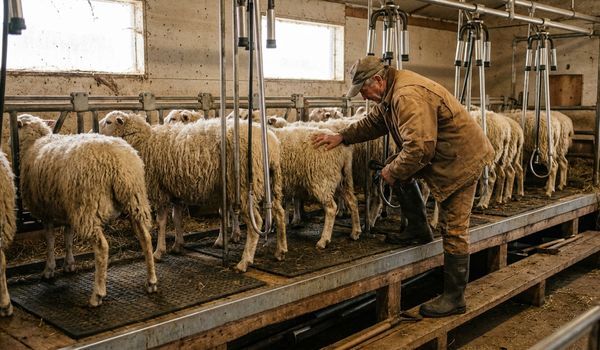
Milking parlor and equipment. A sheep-specific milking parlor, whether a new 12 to 24 stall pipeline system or a retrofit of an existing barn, typically costs $25,000 to $75,000 installed, with larger or automated systems running higher. Add a bulk milk tank ($5,000 to $12,000), milk lines, claws and clusters sized for sheep, a plate cooler, and wash-down equipment.
Facilities. Barn renovation or new construction for the parlor, holding area, lambing jugs, and feed storage commonly runs $50,000 to $150,000 depending on what you start with. Fencing, lanes, and sheep handling systems add several thousand more.
Creamery equipment (if processing on-farm). A licensed farmstead creamery needs a pasteurizer, cheese vat, presses, brine and aging space, and packaging equipment, typically $40,000 to $120,000, plus the cost of licensing, lab testing, and food-safety compliance.
Operating capital. Budget feed, hay, bedding, veterinary and breeding costs, utilities, insurance, and labor for at least six to twelve months. For most startups, that means another $40,000 to $100,000 before revenue stabilizes.
Pro Tip: Get written vendor quotes for the parlor, bulk tank, and livestock before you apply. Lenders fund itemized, quote-backed budgets far faster than rough estimates, and you will avoid the classic startup mistake of undercapitalizing the flock to overbuild the facility.
Building a Sheep Dairy?
Finance the flock, the parlor, and the creamery with one application. Fast decisions from the #1 business lender in the U.S.
Apply Now →By the Numbers
Sheep Dairy Economics - Key Statistics
18-20%
Cheese yield from sheep milk, roughly double the yield from cow milk
400-650L
Milk per East Friesian ewe per 180 to 220 day lactation
$250-$450
Typical cost per head for quality East Friesian or Lacaune dairy ewes
$150K+
Typical minimum investment for a commercial-scale sheep dairy startup
Who Qualifies for Sheep Dairy Financing?
Sheep dairy financing is accessible to a wider range of borrowers than most people expect. While every lender weighs applications differently, here is what typically matters most.
Experience and management. Lenders want evidence that you can keep animals alive, healthy, and producing. Prior dairy work, livestock management, agricultural education, or mentorship under an established producer all strengthen an application. First-generation farmers are not disqualified, but they need a stronger plan and usually a larger down payment.
Credit profile. A personal credit score of 650 or higher opens the most options, though many alternative lenders work with scores in the 600 to 650 range, especially when the project cash-flows well and collateral is strong. Established operations with business credit history can qualify on the strength of the business itself.
Down payment and collateral. Expect to contribute 10 to 30 percent of the project cost, depending on the product and your profile. Equipment loans are secured by the machinery; livestock loans by the animals; larger packages may use real estate or additional collateral.
A credible milk marketing plan. This is where sheep dairy applications live or die. Lenders want to know who buys your milk or cheese, at what price, and under what terms. A letter of intent from a creamery, a farmstead cheese business plan with realistic pricing, or existing sales history transforms an application from speculative to fundable.
Key Point: Sheep dairying is seasonal by nature, with peak milk after lambing and a dry period each winter. Lenders who understand agriculture will structure payments around your production calendar. Ask for seasonal or interest-only periods during flock dry-off if your cash flow concentrates in spring and summer.
Sheep Dairy vs. Cow Dairy: A Financing Comparison
If you are weighing sheep against cattle, or pitching a sheep dairy to a lender familiar only with cows, this comparison frames the discussion.
| Factor | Sheep Dairy | Cow Dairy |
|---|---|---|
| Cost per milking animal | $250 to $450 per ewe | $1,200 to $1,800+ per cow |
| Milk per animal per lactation | 400 to 650 liters (180 to 220 days) | 8,000 to 11,000+ liters (~305 days) |
| Milk solids (fat + protein) | Very high, roughly 11 to 13 percent combined | Moderate, roughly 7 to 9 percent combined |
| Cheese yield per 100 lbs milk | 18 to 20 lbs | ~10 lbs |
| Farm-gate milk price | Premium, often 2 to 3x cow milk per hundredweight | Commodity pricing, volatile |
| Typical startup herd/flock | 100 to 300 ewes | 30 to 100 cows |
| Additional revenue streams | Lamb meat, breeding stock, wool | Cull cows, bull calves |
The financing takeaway: a sheep dairy requires less capital per animal and reaches premium revenue faster, but its small scale and niche markets mean fewer lenders have underwriting templates for it. That is precisely why working with a flexible business lender matters more than chasing a farm-only bank.
How to Apply for Sheep Dairy Financing
A complete, organized application is the fastest route to approval. Here is what to prepare before you apply.
1. Business plan and project budget. Describe the operation: flock size and breeds, parlor capacity, facility work, production projections in liters per ewe, and a month-by-month cash flow for the first two years. Attach itemized vendor quotes for animals, equipment, and construction.
2. Milk marketing plan. Include creamery letters of intent, farmstead product pricing, farmers market or retail commitments, and any existing sales records. This document answers the lender's core question: how does this loan get repaid?
3. Financial documents. Three to six months of business and personal bank statements, two years of tax returns (business and personal), a current balance sheet for existing operations, and a government-issued ID for each owner.
4. Ownership and entity details. Your LLC or corporation paperwork, EIN, and any farm leases or property deeds tied to the project.
5. Submit and respond quickly. With Crestmont Capital, most applications receive a decision within one to three business days. Respond to underwriter questions within hours, not days, and funding can follow in as little as a few days after approval.
How Crestmont Capital Helps Sheep Dairy Farmers
Crestmont Capital is the #1 rated business lender in the United States, and our programs map naturally onto the way sheep dairies are actually built: a flock purchase here, a parlor there, working capital everywhere.
Our equipment financing covers milking parlors, bulk tanks, pasteurizers, and creamery machinery, new or used, with terms matched to the asset. Our working capital loans and business lines of credit carry your operation through lambing season, lactation, and the dry period. For larger packages that include land or major construction, our SBA loan programs offer long terms at competitive rates.
What we do differently is speed and flexibility. Applications take minutes online, decisions arrive in one to three business days, and funding follows in days, not the weeks or months typical of agricultural banks. We look at the whole business, including newer operations and owners with imperfect credit, because we understand that a well-planned sheep dairy is a strong business, not a risky novelty.
You can also learn from how we have funded neighboring agricultural operations. Our guide to dairy farm business loans walks through financing structures for milk production at every scale, and our milking equipment financing guide details exactly how parlor and milking system funding works, both directly relevant to a sheep dairy project.
Ready to Fund Your Flock?
One application covers livestock, equipment, and working capital. Decisions in 1 to 3 business days, funding in days.
Get Started Today →Real-World Sheep Dairy Financing Scenarios
Every sheep dairy is different, but these five scenarios show how the funding pieces come together in practice.
Scenario 1: The barn conversion. A retiring beef cattle couple in Wisconsin converts an existing freestall barn into a 120-ewe sheep dairy selling milk to a regional artisan creamery. Their $185,000 package includes $48,000 for East Friesian ewes and rams on a four-year livestock term loan, $70,000 for a used 16-stall parlor and bulk tank on five-year equipment financing, and $62,000 for the barn retrofit funded through an SBA 504 loan against the property. A creamery letter of intent anchors the whole application.
Scenario 2: The diversification play. A Vermont cow dairy under pressure from commodity milk prices adds a 200-ewe Lacaune flock to supply its own farmstead cheese line. They finance $95,000 of used parlor equipment and handling systems over 60 months, buy the ewes with working capital, and keep a $50,000 line of credit for feed and lambing season. The sheep cheese line becomes their highest-margin product within two years.
Scenario 3: The homestead scale-up. A New York homesteader with a licensed kitchen and five years of market-garden sales scales a 40-ewe hobby flock into a 150-ewe licensed farmstead creamery. A $240,000 SBA 7(a)-style term loan covers additional ewes, a new parlor, a pasteurizer and cheese vat, an aging room, and six months of operating capital, all supported by three years of farmers market sales history and waitlist demand for her sheep milk feta.
Scenario 4: The seasonal bridge. An established Idaho sheep dairy milking 400 ewes faces the same squeeze every year: lambing and flush lactation expenses hit in late winter, while cheese inventory ages unpaid into fall. A $75,000 business line of credit now carries feed, labor, and supplies through the gap, drawn down each spring and repaid each autumn when aged cheese ships to distributors.
Scenario 5: The supply-securing cheesemaker. A California creamery that cannot source enough local sheep milk partners with a beginning farmer to build a dedicated 150-ewe operation. The creamery contracts for the full milk supply, and the farmer finances the $130,000 startup with equipment financing on the parlor, a livestock term loan on the flock, and a modest working capital facility, approved largely on the strength of the milk contract.
A final word on buyer commitments. If a creamery or cheese buyer is willing to write a letter of intent for your milk, treat it like gold in your loan application. A committed buyer at a stated price per hundredweight turns projected revenue into near-contractual revenue, and it is often the single document that moves a borderline application to approval.
Frequently Asked Questions
What is sheep dairy financing? +
Sheep dairy financing is business funding used to start, expand, or operate a dairy that milks sheep. It typically combines equipment financing for the milking parlor and creamery machinery, term or livestock loans for dairy ewes and rams, and working capital or a line of credit for feed, labor, and seasonal expenses.
How much does it cost to start a sheep dairy? +
A lean commercial sheep dairy milking around 100 ewes typically requires $150,000 to $250,000, covering the flock, a milking parlor, a bulk tank, facility work, and six to twelve months of operating capital. A farmstead creamery processing its own cheese on-site can run $400,000 to $600,000 or more depending on construction and licensing costs.
Can I get a loan specifically to buy dairy sheep? +
Yes. Dairy ewes and rams are productive business assets, and lenders finance them much like equipment, using term loans with repayment windows of roughly two to five years matched to the productive life of the animals. Quality East Friesian or Lacaune ewes typically cost $250 to $450 per head, so a starter flock of 100 to 150 ewes represents a $30,000 to $70,000 livestock loan.
What credit score do I need for sheep dairy financing? +
A personal credit score of 650 or higher unlocks the widest range of options and the best rates. Many alternative lenders, including Crestmont Capital, work with scores in the 600 to 650 range when the project cash-flows well, collateral is strong, or the borrower brings a meaningful down payment. Established operations can also qualify on business credit and revenue history.
Are sheep dairies profitable? +
Well-managed sheep dairies can be very profitable because sheep milk sells at a premium, often two to three times the farm-gate price of cow milk, and yields roughly double the cheese per pound. Profitability depends on flock genetics, milk pricing or cheese margins, feed costs, and securing a reliable buyer before you scale. Lamb and breeding stock sales add meaningful secondary revenue.
What are the best sheep breeds for dairying? +
East Friesian is the highest-producing dairy breed, commonly giving 400 to 650 liters per lactation, and forms the backbone of most commercial U.S. flocks. Lacaune, the French breed behind Roquefort, produces slightly less milk with exceptionally high solids prized by cheesemakers. Awassi and Assaf are hardy alternatives, and many farmers start with East Friesian crosses to balance cost and production.
How many ewes do I need for a viable sheep dairy? +
Most commercial sheep dairies milk between 100 and 300 ewes. Below about 75 ewes, it is difficult to cover parlor and labor costs unless you are capturing premium retail margins through farmstead cheese. The right number depends on your market: a creamery contract may call for consistent volume, while a farmers market cheese business can thrive on a smaller, higher-margin flock.
Can I finance a sheep milking parlor? +
Yes. Milking parlors, milk lines, claws and clusters sized for sheep, bulk tanks, plate coolers, and wash systems all qualify for equipment financing, with the equipment itself serving as collateral. New and used systems are both eligible, and terms of three to seven years are common. Installation and retrofit costs can often be rolled into the same financing package.
How is sheep dairy financing different from a regular farm loan? +
Traditional farm loans are built around land, commodity crops, and cattle, and agricultural banks often lack templates for specialty dairy sheep. Sheep dairy financing is usually assembled from business lending products: equipment loans for the parlor, term loans for the flock, and lines of credit for seasonality. Approval hinges more on your business plan and milk marketing than on acreage or appraisal values.
Do I need a business plan to apply? +
For startup funding and larger packages, yes. Lenders want a business plan with an itemized project budget, production projections per ewe, a month-by-month cash flow, and a milk marketing plan showing who buys your milk or cheese and at what price. Smaller working capital requests for established operations may require only bank statements and basic financials.
How long does approval and funding take? +
With an alternative lender like Crestmont Capital, decisions typically arrive within one to three business days and funding follows in as little as a few days after approval. SBA loans take longer, commonly 30 to 90 days from application to funding, in exchange for longer terms and lower rates. Agricultural banks often fall somewhere in between but may require extensive farm-specific documentation.
Can new or beginning farmers qualify? +
Yes, though the bar is higher. Beginning farmers strengthen their applications with documented livestock or dairy experience, agricultural education, mentorship under an established producer, a larger down payment, and above all a credible milk marketing plan or creamery letter of intent. USDA beginning farmer programs can also complement private financing for first-generation producers.
What can sheep dairy financing be used for? +
Nearly any legitimate business expense: dairy ewes and rams, milking parlor construction and equipment, bulk tanks and refrigeration, creamery and cheese-making equipment, barn renovation, fencing and handling systems, feed and veterinary costs, licensing and food-safety compliance, labor, and day-to-day operating expenses during startup or seasonal gaps.
Are there SBA loans for sheep dairies? +
Yes. Farms and agricultural businesses are eligible for SBA financing, including 7(a) loans up to $5 million for working capital, livestock, equipment, and real estate, 504 loans for major fixed assets like facilities, and microloans up to $50,000 for smaller startup costs. SBA loans offer long terms and competitive rates but require more documentation and patience than alternative funding.
How do I apply for sheep dairy financing with Crestmont Capital? +
Start with the quick online application at offers.crestmontcapital.com/apply-now, which takes just a few minutes. A funding specialist will review your project, discuss the right mix of equipment, livestock, and working capital funding, and typically deliver a decision within one to three business days. Have your project budget, vendor quotes, bank statements, and milk marketing plan ready to keep the process moving.
Your Sheep Dairy Deserves a Lender That Gets It
Join thousands of business owners who chose the #1 rated lender in the U.S. Fast decisions, flexible terms, real people.
Apply in Minutes →How to Get Started
Complete our quick application at offers.crestmontcapital.com/apply-now - takes just a few minutes.
A Crestmont Capital advisor will review your flock, facility, and creamery plans and match you with the right financing mix.
Receive your funds and put them to work, often within days of approval, so your flock is milking on schedule.
The Bottom Line on Sheep Dairy Financing
Sheep dairying sits in a rare sweet spot: premium product pricing, efficient cheese yields, manageable land and animal costs, and growing domestic demand that imports currently satisfy. What it requires is capital, deployed in the right places at the right time: quality dairy genetics first, a reliable parlor second, and enough working capital to reach steady production without starving the operation.
Sheep dairy financing makes that possible without draining savings or waiting years to build organically. By matching each asset to the right funding product, from equipment financing on the parlor to a line of credit for lambing season, you turn a multi-year capital barrier into a manageable monthly payment that milk revenue covers.
Crestmont Capital has helped thousands of business owners fund exactly this kind of build. If you are ready to turn a flock and a plan into a working sheep dairy, apply today and put the #1 rated business lender in the country behind your operation.
Disclaimer: The information provided in this article is for general educational purposes only and is not financial, legal, or tax advice. Funding terms, qualifications, and product availability may vary and are subject to change without notice. Crestmont Capital does not guarantee approval, rates, or specific outcomes. For personalized information about your business funding options, contact our team directly.
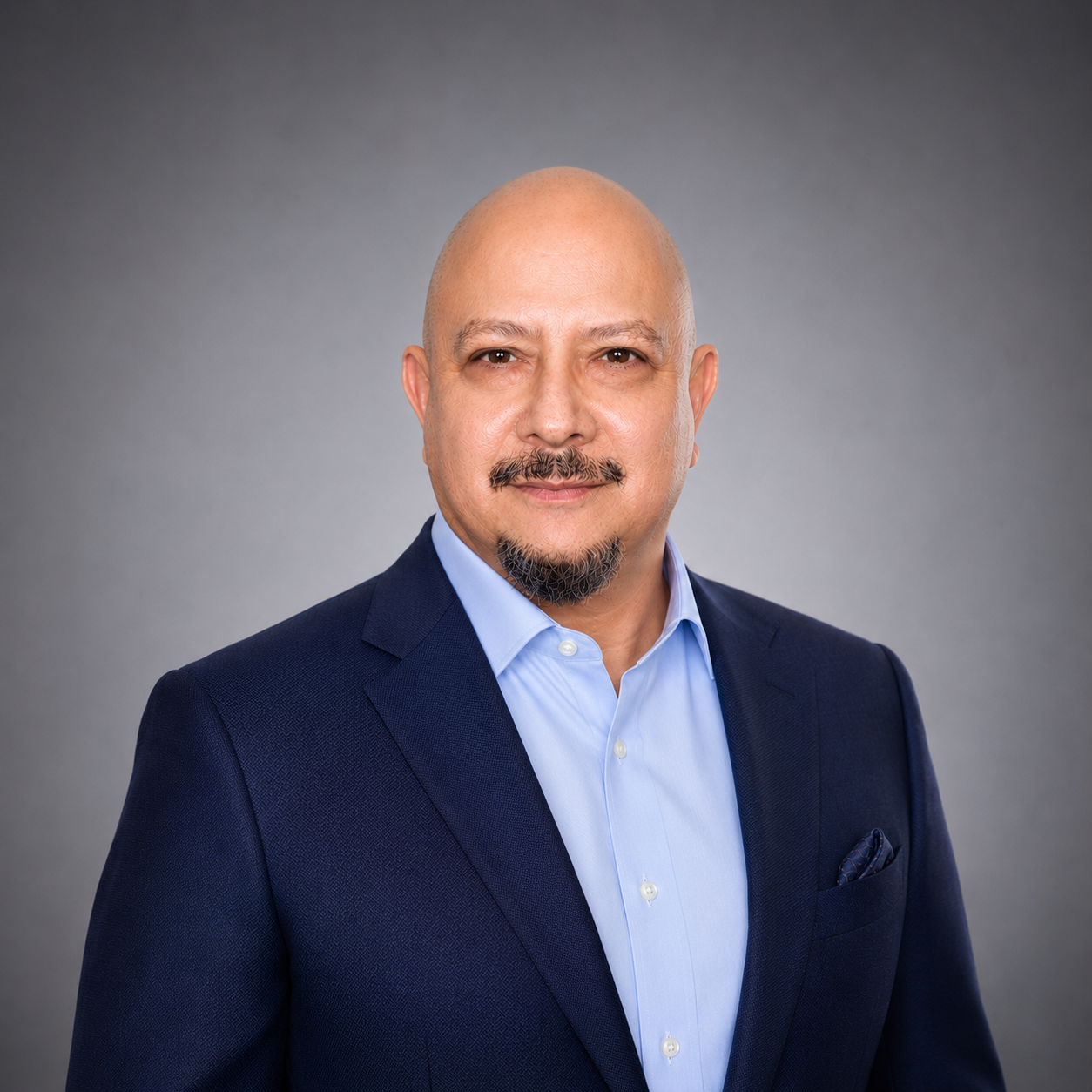
Allan Garfinkle
Allan Garfinkle is the Chief Revenue Officer at Crestmont Capital, where he has spent more than a decade leading revenue strategy, business development, and operational growth. With 28 years of experience building and advising startups and small businesses, Allan has helped more than 10,000 business owners navigate financing decisions, growth opportunities, and changing economic conditions. He earned a Bachelor of Science in Economics and an MBA with a concentration in Finance from Northeastern University, as well as a Juris Doctor from New England Law, where his studies focused on contracts and business law. His writing draws on extensive practical experience in small-business lending, equipment financing, business credit, and commercial finance.