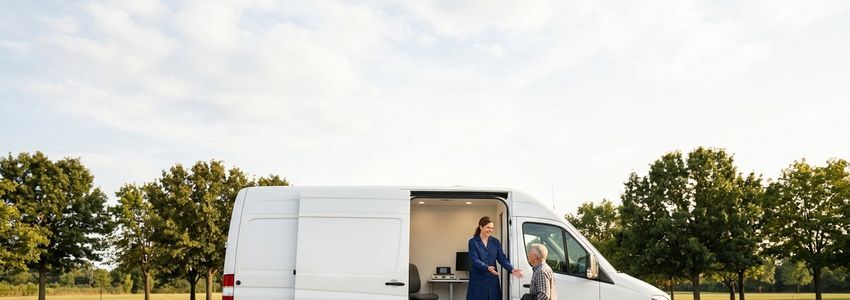
Running a driving school is a rewarding business, but it takes serious capital to buy vehicles, pay instructors, lease a facility, and compete in a growing market. Driving school business loans provide the financing you need to build your fleet, expand operations, and keep cash flow healthy year-round. Whether you are opening your first location or scaling an established school, this guide covers every funding option available to you in 2026.
In This Article
- Why Driving Schools Need Financing
- Types of Business Loans for Driving Schools
- Vehicle and Equipment Financing Options
- SBA Loans for Driving Schools
- Working Capital and Line of Credit Options
- How to Qualify for a Driving School Loan
- How Much Can a Driving School Borrow?
- Financing a Startup Driving School
- Smart Ways to Use Your Loan Funds
- Driving School Cost and Funding Overview
- Loan Option Comparison Table
- The Loan Application Process
- Frequently Asked Questions
- Next Steps to Get Funded
- Conclusion
Why Driving Schools Need Financing
Starting or expanding a driving school involves substantial upfront costs that most owners cannot cover from savings alone. Dual-control training vehicles can cost $20,000 to $35,000 each, and a school with even a small fleet of five cars needs $100,000 to $175,000 just for vehicles. Add to that the cost of a training facility, simulator equipment, liability insurance, marketing, and staff payroll, and total startup costs can easily exceed $200,000 to $400,000.
Even established driving schools face ongoing capital needs. Fleet replacement cycles, software upgrades, additional instructors during peak season, and marketing spend all require consistent cash flow. Business loans allow driving school owners to invest in growth without depleting reserves needed to cover daily operations.
According to the U.S. Small Business Administration, transportation and education service businesses are among those with steady demand regardless of economic conditions, making them solid candidates for business financing. The driving instruction market benefits from a constant stream of new teen and adult drivers who need licenses, providing a predictable customer base for lenders to evaluate.
Ready to Grow Your Business?
Get fast, flexible financing from the #1 business lender in the U.S. No obligation - apply in minutes.
Apply Now →Types of Business Loans for Driving Schools
Driving school owners have several financing options, and the best choice depends on your goals, credit profile, and time in business. Here is an overview of the most common products used in the driving instruction industry.
Term Loans
A term loan provides a lump sum of capital that you repay over a fixed period with regular installment payments. Term loans are ideal for large one-time investments such as purchasing a vehicle fleet, renovating a training facility, or opening a second location. Loan amounts typically range from $25,000 to $500,000+, with repayment terms from 1 to 10 years and interest rates that vary based on creditworthiness. For a well-established driving school with strong financials, term loans offer competitive rates and predictable monthly payments.
Equipment Financing
Equipment financing is one of the most popular loan types for driving schools because the vehicles themselves serve as collateral. This structure often allows lower interest rates and higher approval odds than unsecured loans. You can finance dual-control vehicles, driver simulators, classroom technology, and other equipment. Equipment financing is typically structured so your monthly payments align closely with the revenue the equipment generates.
Business Line of Credit
A business line of credit works like a revolving credit card for your business. You draw funds when needed and only pay interest on the amount you have outstanding. This is ideal for managing seasonal cash flow gaps, covering payroll during slow months, funding marketing campaigns, or handling unexpected repairs. Lines typically range from $10,000 to $250,000 for small businesses.
SBA Loans
The U.S. Small Business Administration guarantees loans made by approved lenders, reducing lender risk and enabling lower rates and longer terms for borrowers. SBA 7(a) loans can be used for virtually any business purpose including vehicle purchases, working capital, and real estate. SBA loans typically require more documentation than alternative loans but offer the best rates for qualified applicants.
Small Business Loans (Alternative Lenders)
Online and alternative lenders offer small business loans with faster approvals and more flexible requirements than traditional banks. For driving school owners who need capital quickly or who may not qualify for bank loans, alternative lenders provide a valuable funding pathway with applications processed in hours and funding in as little as 24 to 72 hours.
Merchant Cash Advance
A merchant cash advance provides upfront capital in exchange for a percentage of future revenue. While not ideal as a long-term strategy due to higher effective costs, MCAs can bridge short-term gaps for driving schools with strong card-based revenue. Repayment happens automatically as a daily or weekly percentage of sales.
Vehicle and Equipment Financing Options
For most driving schools, the vehicle fleet represents the single largest capital investment. Understanding your vehicle financing options is critical to building a cost-effective business.
Buying vs. Leasing Training Vehicles
Driving school owners can choose between financing (buying) and leasing training vehicles. Buying through an equipment loan means you own the car outright once the loan is repaid, building equity in the asset. Leasing typically has lower monthly payments but you never own the vehicle - at lease end, you return it or purchase at residual value.
For most small driving school owners, financing vehicles through equipment loans makes more financial sense because the vehicles have a long usable life (often 8-12 years), and owning them builds business equity. Compare equipment financing rates versus lease rates carefully before deciding.
Used vs. New Vehicle Financing
You can finance both new and used training vehicles. New vehicles come with warranties and the latest safety features but cost more. Used vehicles may have higher maintenance costs over time but lower upfront purchase prices. Many lenders finance vehicles up to 10 years old, making it feasible to buy a quality used fleet and finance it at reasonable rates.
Dual-Control Vehicle Financing
Dual-control vehicles - cars fitted with instructor pedals and controls - are specialty vehicles that cost more than standard models. Most lenders treat these as standard commercial vehicle equipment and finance them accordingly. Expect financing amounts from $15,000 to $40,000 per vehicle with terms from 36 to 84 months.
Driver Simulator Financing
High-quality driver simulators can cost $20,000 to $100,000 and dramatically improve training outcomes while reducing per-hour vehicle operating costs. Equipment financing is well-suited for simulator purchases, with the equipment itself often serving as collateral.
Pro Tip: Bundle Your Equipment Financing
Rather than financing each vehicle separately, ask your lender about bundling multiple vehicles into a single equipment loan. This simplifies administration and often yields better overall terms than multiple individual loans.
SBA Loans for Driving Schools
The SBA loan programs are particularly attractive for driving school owners who can demonstrate a track record of revenue and profitability. SBA-backed loans offer the lowest rates available to small businesses outside of conventional bank loans.
SBA 7(a) Loan Program
The SBA 7(a) loan is the most flexible SBA product. Loan amounts reach up to $5 million, making it suitable for everything from fleet purchases to real estate acquisition. For driving schools, typical uses include:
- Fleet expansion or replacement
- Purchase or renovation of a training facility
- Working capital to support growth
- Business acquisition (buying an existing driving school)
- Refinancing high-cost existing debt
Interest rates on SBA 7(a) loans are based on the prime rate plus a spread, and are capped by the SBA. As of 2026, rates typically range from 10.5% to 13.5% depending on loan size and term. Repayment terms extend up to 10 years for working capital and up to 25 years for real estate.
SBA 504 Loan Program
The SBA 504 loan is ideal if you are purchasing real estate or large, long-lived equipment. It works through a partnership between a Certified Development Company (CDC) and a conventional lender. The structure is typically 50% bank loan, 40% CDC loan, and 10% borrower down payment. For a driving school purchasing its facility, this structure keeps out-of-pocket costs lower than a conventional mortgage.
SBA Microloan Program
For startup driving schools or those with smaller funding needs, the SBA Microloan program offers loans up to $50,000 through nonprofit intermediaries. These loans are specifically designed for newer or smaller businesses and often come with technical assistance. According to the SBA Microloan program, average loan size is around $13,000 making this a strong option for initial equipment purchases.
Working Capital and Line of Credit Options
Beyond vehicle and equipment financing, driving schools need working capital to cover day-to-day operations. Here are the most relevant working capital solutions.
Seasonal Cash Flow Management
Driving school revenue often follows seasonal patterns, with peaks in summer (teen learners) and pre-test periods and dips in winter months. A revolving business line of credit is the most effective tool to bridge these seasonal gaps. You draw funds in slow months to cover payroll and overhead, then repay from peak-season revenue.
Fast Business Loans for Urgent Needs
When a vehicle needs emergency repairs, a key instructor becomes unavailable, or a marketing opportunity arises, you may not have time for a lengthy application process. Fast business loans from online lenders can provide capital in 24 to 72 hours, making them valuable as backup funding options.
Bad Credit Business Loans
If your personal or business credit is not yet strong, you still have options. Bad credit business loans from alternative lenders focus more on business revenue and cash flow than credit scores. Expect higher interest rates, but these loans can provide the capital you need while you build your credit profile.
Ready to Grow Your Business?
Get fast, flexible financing from the #1 business lender in the U.S. No obligation - apply in minutes.
Apply Now →How to Qualify for a Driving School Loan
Lenders evaluate driving school loan applications using several key factors. Understanding these criteria helps you prepare a stronger application and improves your approval odds.
Credit Score Requirements
For traditional bank loans and SBA loans, a personal credit score of 680+ is typically required. Many alternative lenders work with scores of 550 to 600+. If your score is below ideal, focus on improving it by paying down existing balances and resolving any derogatory items before applying for large loans.
Time in Business
Most conventional lenders require at least 2 years in business. Alternative lenders may approve loans for businesses open 6 months or longer. Startup driving school financing (for businesses under 6 months) typically requires strong personal credit, collateral, or participation in SBA startup programs.
Annual Revenue
Lenders want to see consistent, documentable revenue. Many online lenders look for a minimum of $100,000 to $150,000 in annual revenue. For larger loans, revenues of $250,000+ are often expected. Make sure your financial records are up to date and clearly reflect actual revenue.
Cash Flow
Beyond top-line revenue, lenders analyze your cash flow to ensure your business generates enough cash to service debt. They will typically review 3 to 6 months of bank statements and calculate your Debt Service Coverage Ratio (DSCR). A DSCR of 1.25 or higher is generally considered healthy - meaning your cash flow is 1.25 times the amount needed to cover loan payments.
Collateral
For equipment loans, the vehicles or equipment serve as collateral. For term loans and lines of credit, lenders may require a personal guarantee or a blanket lien on business assets. Having collateral available typically results in lower rates and higher approval odds.
Business Plan
For startup or expansion financing, a detailed business plan that demonstrates market demand, revenue projections, and your operational strategy can make the difference between approval and denial. Include competitive analysis, pricing strategy, and marketing plans.
Qualification Checklist for Driving School Loans
- Personal credit score 580+ (650+ for best rates)
- Business bank statements for 3-6 months
- 2 years of business tax returns (or 1 year for newer businesses)
- Business license and driving school certification
- Proof of insurance (liability and vehicle insurance)
- Driver/instructor certifications
- Voided business check for ACH deposits
- Business plan (for startup or large expansion loans)
How Much Can a Driving School Borrow?
Loan amounts for driving school businesses vary widely based on business size, creditworthiness, and the type of loan:
- Microloans: $5,000 to $50,000 (ideal for startups or small equipment purchases)
- Equipment loans: $10,000 to $500,000 (based on vehicle and equipment value)
- Business lines of credit: $10,000 to $250,000
- Term loans (alternative lenders): $25,000 to $500,000
- SBA 7(a) loans: $50,000 to $5 million
- SBA 504 loans: $125,000 to $5.5 million (for real estate and large equipment)
Most small to mid-sized driving school owners find that $75,000 to $300,000 covers fleet expansion, facility improvements, and working capital needs. Larger driving school chains or multi-location businesses may seek $500,000 to $2 million+ for significant growth.
According to U.S. Census Bureau data on small businesses, the average small service business borrowing tends to fall in the $100,000 to $250,000 range, consistent with typical driving school funding needs.

Financing a Startup Driving School
Starting a driving school from scratch is challenging, but financing options exist even for businesses with no operating history. Here is how to approach startup funding.
Equipment Financing as a Starting Point
Even if you cannot get a traditional working capital loan as a startup, equipment financing is often available because the vehicles provide collateral. Begin with financing two to three dual-control vehicles to launch operations. Once you have 6 to 12 months of revenue history, additional financing becomes much more accessible.
SBA Microloan for Initial Working Capital
The SBA Microloan program is specifically designed for new or small businesses. With loans up to $50,000, this is a solid source of startup capital for a new driving school. The application process includes a review of your business plan, personal credit, and character assessment.
Personal Savings and Retirement Funds
Many successful driving school owners self-fund the early months using personal savings or ROBS (Rollover for Business Startups) structures that allow penalty-free use of retirement funds. While this carries personal financial risk, it demonstrates commitment to lenders when you later seek business financing.
Friends, Family, and Angel Investors
Some entrepreneurs start with informal loans from friends or family. If you go this route, formalize the arrangement with a promissory note to avoid relationship complications and to demonstrate repayment history for future lenders.
Building Credit for Future Loans
Open a business bank account, apply for a small business credit card, and establish vendor trade lines immediately. These steps build your business credit profile so that 6 to 12 months into operations, you are well-positioned to qualify for larger financing. Review how small business loans work and what lenders want to see from newer businesses.
Smart Ways to Use Your Loan Funds
Getting approved for a loan is only half the battle. Using funds strategically is what determines whether the investment pays off.
Fleet Expansion and Replacement
Adding vehicles directly increases revenue capacity. A single dual-control vehicle can run 8 to 10 lesson hours per day at average rates of $50 to $80 per hour. Adding just two vehicles can generate $80,000 to $150,000 in additional annual revenue, making equipment financing one of the highest-ROI investments a driving school can make.
Facility Improvements
A professional classroom, observation area, and parking lot dramatically improve student experience and conversion rates. Borrowers who invest in facility upgrades often report 15-25% improvement in student enrollment and retention, according to industry feedback cited by Forbes.
Marketing and Digital Advertising
Driving schools compete for the same pool of teen drivers every spring and summer. Investing in Google Ads, social media marketing, and local SEO during the off-season positions your school for peak-season student acquisition. A well-funded marketing campaign can dramatically reduce cost-per-student acquisition.
Instructor Hiring and Training
Scaling requires qualified instructors. Loan funds can cover instructor certification training, salary during onboarding, and background check costs. Having more certified instructors on staff allows you to serve more students simultaneously and take on corporate contracts for commercial driver training.
Technology Upgrades
Modern driving schools use scheduling software, student management systems, and dashboard camera systems that improve safety monitoring and reduce liability exposure. Technology investments financed through business loans often pay for themselves within 12 to 18 months through efficiency gains.
Driving School Cost and Funding Overview
Driving School Startup and Operating Costs
$25K-$35K
Per Dual-Control Vehicle
$200K-$400K
Typical Startup Cost
$50-$80/hr
Average Lesson Rate
680+
Ideal Credit Score for Best Rates
24-72 hrs
Funding Speed (Alternative Lenders)
$75K-$300K
Typical Loan Amount for Growth
Loan Option Comparison Table
| Loan Type | Best For | Loan Amount | Speed | Credit Required |
|---|---|---|---|---|
| Equipment Financing | Vehicle/simulator purchases | $10K-$500K | 2-7 days | 580+ |
| SBA 7(a) Loan | Fleet, facility, working capital | $50K-$5M | 30-90 days | 680+ |
| Term Loan (Alt. Lender) | Expansion, marketing, hiring | $25K-$500K | 24-72 hours | 550+ |
| Business Line of Credit | Seasonal cash flow, repairs | $10K-$250K | 1-5 days | 600+ |
| SBA Microloan | Startups, small equipment | $500-$50K | 30-60 days | 580+ |
| Merchant Cash Advance | Short-term bridge, urgent needs | $5K-$250K | 24-48 hours | 500+ |
The Loan Application Process
Applying for a driving school business loan is straightforward when you know what to prepare. Here is a step-by-step walkthrough of the process.
Step 1: Determine Your Funding Need
Before applying, clearly define how much you need and exactly how you will use the funds. Lenders respond better to specific requests like "I need $180,000 to purchase six dual-control vehicles" than vague requests for general operating capital. Be precise about the investment and its expected return.
Step 2: Check and Prepare Your Credit
Pull both your personal and business credit reports. Dispute any errors and pay down balances where possible. If your score is below 640, consider working with a credit advisor or waiting 60 to 90 days before applying while you improve your profile.
Step 3: Gather Required Documents
Typical documents needed for driving school loan applications include:
- Business and personal tax returns (2 years)
- Business bank statements (3-6 months)
- Profit and loss statement and balance sheet
- Business license and driving school operating certificate
- Driver instructor certifications
- Vehicle registration and insurance documents
- Accounts receivable/payable aging reports (if applicable)
- Business plan with financial projections (for startups or large loans)
Step 4: Compare Lenders
Shop multiple lenders to compare rates, terms, fees, and approval requirements. Evaluate both traditional banks (lower rates, stricter requirements) and alternative lenders (faster approval, more flexible). The ideal lender depends on your urgency, credit profile, and loan purpose.
Step 5: Submit Your Application
Complete the application accurately and thoroughly. Incomplete or inaccurate applications are a leading cause of delays and denials. Be honest about your business situation - underwriting teams verify everything, and discrepancies raise red flags.
Step 6: Review the Offer Carefully
When you receive an offer, review the full terms: interest rate (or factor rate for MCAs), fees (origination, prepayment, etc.), repayment schedule, and collateral requirements. Calculate the total cost of the loan, not just the monthly payment. Do not hesitate to negotiate - rates and fees are often negotiable, especially for qualified borrowers.
According to CNBC's small business coverage, many small business owners accept the first loan offer they receive without shopping around, leaving significant savings on the table.
Internal Resource: Loan Application Preparation
For a detailed step-by-step breakdown of how to prepare your application, see our guide on small business loan requirements.
Once approved, funds are deposited to your business bank account. Equipment financing may route funds directly to the vendor. Line of credit approvals give you access to a credit facility you draw from as needed.
Frequently Asked Questions
1. Can I get a driving school business loan with bad credit?
Yes. Alternative lenders and equipment financing providers often approve loans for business owners with credit scores as low as 550-580. Expect higher interest rates and shorter terms, but funding is accessible. Focus on demonstrating strong business revenue and cash flow to offset lower credit scores.
2. How fast can I get funded for a driving school loan?
Alternative lenders can approve and fund in 24 to 72 hours for term loans and lines of credit. Equipment financing typically takes 2 to 7 business days. SBA loans require 30 to 90 days for the full underwriting and approval process.
3. Do I need collateral to get a driving school business loan?
For equipment loans, the vehicles themselves serve as collateral. For unsecured term loans and lines of credit, a personal guarantee is typically required. SBA loans require collateral when available but will not deny a loan solely due to lack of collateral.
4. What credit score do I need for a driving school loan?
SBA and bank loans typically require 680+. Many alternative lenders approve at 550-600+. The higher your score, the lower your interest rate. If your score is below ideal, work to improve it for 60-90 days before applying for large loans.
5. Can I finance a used dual-control vehicle for my driving school?
Yes. Most equipment financing lenders fund used vehicles up to 10 years old. The financing terms may be slightly shorter for older vehicles (36-60 months vs. 84 months for new), but used vehicle financing is widely available.
6. How much does it cost to start a driving school?
Startup costs typically range from $50,000 to $400,000+ depending on the number of vehicles, facility costs, licensing fees, and initial marketing. A minimal home-based operation with two vehicles can start around $50,000-$80,000. A full-scale school with a facility and five or more vehicles typically requires $200,000-$400,000.
7. What documents do I need to apply for a driving school loan?
Typical required documents include business and personal tax returns (2 years), business bank statements (3-6 months), P&L statement and balance sheet, business license, driving school operating certificate, instructor certifications, and vehicle insurance documentation.
8. Can a startup driving school get financing?
Yes, though options are more limited than for established schools. Equipment financing is accessible even for startups because vehicles serve as collateral. SBA Microloans are designed for new businesses. Having strong personal credit and a detailed business plan improves your chances significantly.
9. What is the interest rate on a driving school business loan?
Interest rates vary significantly by loan type and borrower profile. SBA loans range from approximately 10.5%-13.5%. Alternative lender term loans range from 8%-40%+ depending on credit and term. Equipment financing rates are typically 5%-20%. Factor rates on MCAs range from 1.15-1.50.
10. Can I use a business loan to hire and pay driving instructors?
Yes. Working capital loans, term loans, and lines of credit can be used to fund instructor hiring, onboarding costs, and payroll during growth periods. Many lenders specifically allow payroll-related uses in loan terms.
11. Is it better to lease or finance driving school vehicles?
For most driving school owners, financing (buying) is preferable because training vehicles have long usable lives (8-12 years), you build equity in the assets, and you have no mileage restrictions or lease-end purchase decisions. Leasing may suit newer schools with tight cash flow who need lower monthly payments initially.
12. How does a driving school line of credit work?
A business line of credit provides a pre-approved credit limit you draw from as needed. You only pay interest on the amount drawn. It works well for managing seasonal cash gaps - draw during slow months to cover payroll and overhead, repay during peak season. Lines typically renew annually and credit availability rebuilds as you repay.
13. What makes driving schools attractive to lenders?
Driving schools benefit from consistent, recurring demand as new drivers enter the market every year. The business model generates predictable revenue, services are prepaid (improving cash flow), vehicles serve as collateral, and the industry is regulated (providing lenders with confidence in legitimacy). These factors make driving schools reasonably favorable lending candidates.
14. Can I get a loan to buy an existing driving school?
Yes. Business acquisition loans are available through SBA 7(a) programs, conventional bank loans, and some alternative lenders. You will typically need 10-25% as a down payment, strong personal credit, and a purchase agreement for the business. The seller's financials will be scrutinized carefully during underwriting.
15. How do I build business credit for my driving school?
Start by opening a business checking account and applying for a business credit card. Register your business with Dun & Bradstreet to get a DUNS number and start building a PAYDEX score. Establish vendor trade lines with suppliers (fuel cards, vehicle maintenance vendors). Pay all bills on time consistently. After 6-12 months of responsible credit use, your business credit profile will support applications for larger loans at better rates.
Next Steps to Get Your Driving School Funded
Your Action Plan
- Define your funding need - Calculate exactly how much you need and what you will spend it on
- Check your credit - Pull personal and business credit reports; address any errors or issues
- Gather documentation - Collect tax returns, bank statements, business licenses, and instructor certifications
- Research loan types - Determine whether equipment financing, a term loan, SBA loan, or line of credit best matches your need
- Compare lenders - Get quotes from at least 2-3 lenders including both traditional and alternative options
- Submit your application - Complete applications accurately and completely to avoid processing delays
- Review your offer - Calculate total loan cost, not just monthly payment; negotiate terms where possible
- Deploy capital strategically - Invest in assets and activities that generate measurable ROI for your driving school
Ready to Grow Your Business?
Get fast, flexible financing from the #1 business lender in the U.S. No obligation - apply in minutes.
Apply Now →Conclusion
Driving school business loans give entrepreneurs the capital to purchase training vehicles, improve facilities, hire certified instructors, and manage the cash flow demands of a seasonal business. Whether you are launching your first school or expanding an established operation, understanding your loan options is the first step toward smart, sustainable growth. From equipment financing for your vehicle fleet to SBA loans for facility investment, the right funding solution can transform your driving school's trajectory.
Crestmont Capital specializes in helping driving school owners and transportation businesses find the right financing. Our team understands the unique needs of vehicle-based businesses and works with driving school owners to identify the fastest, most cost-effective path to funding. Apply today and see how we can help your driving school business accelerate its growth.
Read more about business financing from the Wall Street Journal for additional perspectives on the small business lending landscape.
Disclaimer: The information provided in this article is for general educational purposes only and is not financial, legal, or tax advice. Funding terms, qualifications, and product availability may vary and are subject to change without notice. Crestmont Capital does not guarantee approval, rates, or specific outcomes. For personalized information about your business funding options, contact our team directly.