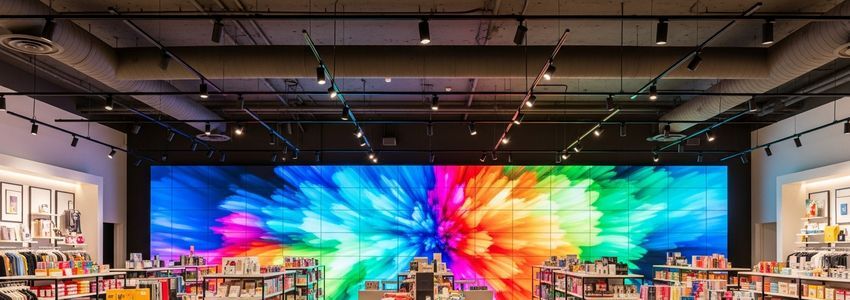
In today's competitive market, dynamic digital signage is a powerful tool for engaging customers, boosting sales, and enhancing brand presence. However, the upfront cost of a comprehensive system-including screens, software, and installation-can be a significant capital expenditure. This is where strategic digital signage financing becomes essential, allowing businesses to acquire cutting-edge technology while preserving precious cash flow for other critical operations.
In This Article
- The Growing Importance of Digital Signage in Modern Business
- Understanding the Full Cost of a Digital Signage System
- Why Financing Your Digital Signage Makes Smart Business Sense
- Exploring Your Digital Signage Financing Options
- How to Qualify for Digital Signage Financing
- The Application Process: A Step-by-Step Guide
- Common Mistakes to Avoid When Financing Digital Signage
- Frequently Asked Questions About Digital Signage Financing
The Growing Importance of Digital Signage in Modern Business
Digital signage has evolved far beyond simple scrolling text on a screen. Today, it represents a dynamic, interactive, and highly effective communication platform for businesses across nearly every sector. From vibrant video walls in retail stores to interactive directories in corporate lobbies and real-time menu boards in restaurants, digital displays are fundamentally changing how companies interact with their customers, employees, and visitors. The ability to update content instantly, target specific audiences, and display eye-catching motion graphics gives it a significant edge over traditional static signage.
The impact of well-executed digital signage is measurable and substantial. It captures attention more effectively than static media; studies have shown that digital displays capture 400% more views than their static counterparts. This increased visibility translates directly into tangible business results. In a retail environment, digital signage has been proven to increase average purchase amounts by nearly 30% by influencing point-of-sale decisions and promoting high-margin items. Beyond sales, it enhances the customer experience by reducing perceived wait times in queues, providing helpful information like wayfinding, and creating a modern, tech-forward ambiance.
For internal communications, digital signage is equally transformative. It can disseminate important company announcements, display real-time performance dashboards, recognize employee achievements, and reinforce safety protocols far more effectively than emails or printed posters. This leads to a more informed, engaged, and aligned workforce. Given these clear benefits-driving revenue, improving customer experience, and boosting internal engagement-investing in a quality digital signage system is no longer a luxury but a strategic imperative for businesses aiming to thrive in a visually-driven world. The challenge, then, becomes not whether to invest, but how to do so in a financially prudent way.
Understanding the Full Cost of a Digital Signage System
When business owners consider implementing a digital signage solution, they often focus solely on the price of the screens. However, the total cost of ownership (TCO) encompasses a much broader range of components and services. A comprehensive budget is crucial for seeking the right amount of financing and ensuring a successful, sustainable deployment. Understanding these costs upfront prevents unexpected expenses and allows for a more accurate ROI calculation.
Let's break down the key cost categories involved in a typical digital signage system:
1. Hardware: The Physical Components
This is often the most significant upfront expense. It includes more than just the displays themselves.
- Commercial Displays: These are not the same as consumer televisions. Commercial-grade screens are built for extended or 24/7 operation, have higher brightness levels for visibility in various lighting conditions, feature more robust construction, and often come with longer warranties. Costs vary based on size, resolution (HD, 4K), and features like touch interactivity.
- Media Players: This is the small computer or device that stores, processes, and delivers content to the screen. Options range from simple plug-and-play devices to powerful PCs, depending on the complexity of the content. Some modern "smart" screens have built-in players, which can simplify installation but may limit flexibility.
- Mounts and Enclosures: Securely mounting screens is critical. This includes wall mounts, ceiling mounts, and free-standing kiosks. For outdoor or public-facing installations, protective enclosures are necessary to guard against weather and vandalism.
- Cabling and Infrastructure: This includes all the necessary HDMI, Ethernet, and power cables to connect the system. In larger deployments, you may also need to factor in the cost of network switches or signal extenders.
2. Software: The Brains of the Operation
The software is what allows you to manage, schedule, and deploy your content.
- Content Management System (CMS): The CMS is the central hub for your digital signage network. It allows you to upload media, create layouts, schedule playlists, and monitor the status of your screens from a web browser. CMS pricing models vary: some are a one-time perpetual license fee, while many are a subscription-based Software-as-a-Service (SaaS) model, which involves recurring monthly or annual fees per player.
- Content Creation Software: While some CMS platforms have basic design tools, you will likely need professional software like Adobe Creative Suite or specialized digital signage content creation tools to produce high-quality, engaging visuals.
3. Installation and Integration
Proper installation is key to the system's performance and safety. This is not a typical DIY project.
- Professional Installation: This includes the physical mounting of screens, running cables through walls or ceilings, and connecting all hardware components. For complex projects like video walls, professional installation is non-negotiable.
- Network Configuration: Ensuring all media players are properly connected to the network (wired or Wi-Fi) and can communicate with the CMS is a critical step.
- System Integration: You may want to integrate your signage with other data sources, such as point-of-sale systems for dynamic pricing, scheduling software for meeting room displays, or emergency alert systems. This custom integration work adds to the cost.
4. Content Creation and Management
The most advanced system is useless without compelling content. This ongoing cost is often underestimated.
- Initial Content Library: Creating the first batch of advertisements, informational slides, and videos to launch your network.
- Ongoing Content Production: Fresh, relevant content is key to keeping audiences engaged. This requires ongoing design work, which can be done in-house if you have the staff and skills, or outsourced to a marketing agency or freelance designers.
5. Maintenance and Support
Like any technology, digital signage requires ongoing maintenance to ensure it runs smoothly.
- Support Contracts: Many software and hardware providers offer support packages that provide technical assistance, troubleshooting, and software updates.
- Potential Repairs: While commercial-grade hardware is reliable, you should budget for potential repairs or replacements outside of the warranty period.
By mapping out all these potential expenses, you can create a realistic budget and seek a comprehensive equipment financing package that covers the entire project scope, not just the screens on the wall.
Ready to Upgrade Your Business?
Finance your complete digital signage system-from screens to software-with Crestmont Capital. Get the technology you need now with flexible, affordable payment options.
Apply for Financing TodayWhy Financing Your Digital Signage Makes Smart Business Sense
While paying cash for a new digital signage system might seem like the most straightforward approach, it's often not the most strategic move for a business. Tying up a large amount of capital in depreciating assets can restrict a company's financial flexibility and hinder its ability to respond to other opportunities or challenges. Opting for a financing solution like an equipment loan or lease offers a host of benefits that support long-term growth and financial health.
1. Preserve Cash Flow and Working Capital
Cash flow is the lifeblood of any business. A large, lump-sum payment for a digital signage system can drain your cash reserves, leaving you vulnerable to unexpected expenses or unable to invest in other critical areas like inventory, marketing campaigns, or hiring new staff. Financing converts that large upfront cost into manageable, predictable monthly payments. This allows you to keep your cash on hand, maintaining a healthy level of working capital to run your day-to-day operations smoothly. For businesses looking to manage cash flow effectively, financing is a powerful tool, similar in principle to utilizing working capital loans for operational needs.
2. Access Better, More Advanced Technology
Your cash budget might only allow for a basic, entry-level digital signage setup. Financing opens the door to acquiring a more robust, higher-quality system than you could otherwise afford. This could mean larger, brighter 4K screens, more powerful media players capable of handling complex interactive content, or a more sophisticated CMS with advanced analytics. Investing in better technology from the outset leads to a more impactful and reliable system, delivering a greater return on investment over its lifespan.
3. Achieve Immediate ROI
Digital signage starts generating value from the moment it's turned on-by increasing sales, improving customer engagement, or streamlining operations. With financing, the system can begin paying for itself immediately. The new revenue or cost savings generated by the signage can often offset, or even exceed, the monthly financing payment. This allows you to benefit from the technology's ROI without the negative impact of a massive initial cash outlay.
4. Simplify Budgeting with Predictable Payments
Financing agreements typically come with fixed monthly payments over a set term. This predictability makes financial planning and budgeting much simpler. You know exactly how much you need to allocate each month for your technology, eliminating the guesswork and volatility associated with large, infrequent capital purchases. This financial stability is crucial for sustainable business management.
5. Potential Tax Advantages
Financing your digital signage can offer significant tax benefits. Under Section 179 of the IRS tax code, businesses may be able to deduct the full purchase price of qualifying equipment in the year it is put into service. This can substantially lower your taxable income. Furthermore, equipment leases can often be structured so that the monthly payments are treated as a fully deductible operating expense. It's crucial to consult with a tax professional to understand how these benefits apply to your specific financial situation, but the potential savings are a major advantage of financing. For more details, business owners can review guidelines on government sites like the IRS Publication 946.
6. Easy Scalability and Upgrades
Business needs change and technology evolves rapidly. Financing, particularly leasing, provides a clear and simple path for upgrading your equipment. At the end of a lease term, you can easily trade in your old displays for the latest models without having to worry about selling or disposing of outdated hardware. This ensures your business always has access to current technology, keeping your brand looking modern and your operations efficient.

Exploring Your Digital Signage Financing Options
When you've decided to finance your digital signage system, the next step is to choose the right financial product for your business's goals and circumstances. Lenders like Crestmont Capital offer several tailored solutions, each with its own structure, benefits, and ideal use case. Understanding the differences between these options is key to making an informed decision that aligns with your financial strategy.
Pro Tip: When getting a quote for your digital signage project, ask your vendor to include all associated costs-hardware, software licenses, installation, and initial training. This consolidated quote can then be submitted to your lender, allowing you to bundle the entire project cost into a single, convenient financing agreement.
Here are the primary financing options for acquiring digital signage:
1. Equipment Financing Agreements (EFA) / Equipment Loans
An equipment loan is a straightforward financing tool where a lender provides the funds to purchase the digital signage system outright. You make regular payments (usually monthly) over a predetermined term, which typically ranges from two to seven years. The signage equipment itself serves as collateral for the loan.
- Ownership: You own the equipment from day one. This is a significant advantage if you plan to use the system for a long time and want to build equity in your business assets.
- Best For: Businesses that want to own their assets long-term and take full advantage of depreciation tax benefits like Section 179. It's ideal for standard, durable equipment that is not expected to become obsolete quickly.
- Crestmont Capital Link: Learn more about our competitive Equipment Financing solutions.
2. Equipment Leasing
Leasing is essentially a long-term rental agreement. You pay a fixed monthly fee to use the digital signage equipment for a specific period. At the end of the lease term, you typically have several options: purchase the equipment (often for a pre-agreed price), return it and upgrade to new technology, or extend the lease.
- Ownership: The leasing company (lessor) retains ownership of the equipment during the lease term. This can be advantageous as it may not appear as a liability on your balance sheet.
- Key Lease Types:
- $1 Buyout Lease (or Capital Lease): This functions very much like a loan. Payments are slightly higher, but at the end of the term, you can purchase the equipment for just $1. It's designed for businesses that intend to keep the equipment.
- Fair Market Value (FMV) Lease (or Operating Lease): This is a true lease. Monthly payments are typically lower because you are only paying for the depreciation of the equipment during the lease term. At the end, you can buy it for its fair market value, return it, or start a new lease with upgraded tech. This is perfect for technology that evolves quickly.
- Best For: Businesses that want lower monthly payments and the flexibility to upgrade their technology every few years to avoid obsolescence. It's also great for preserving capital and keeping debt off the balance sheet.
- Crestmont Capital Link: Explore flexible Equipment Leasing options.
3. Business Line of Credit
A business line of credit provides access to a revolving pool of funds that you can draw from as needed, up to a certain limit. You only pay interest on the amount you use. While not specifically for equipment, it can be a flexible way to finance a digital signage project, especially if the total cost is uncertain or if you anticipate other related expenses.
- Flexibility: You can use the funds for the signage hardware, software subscriptions, content creation, and any other business expense that arises. Once you repay the amount you've used, your credit line is replenished.
- Best For: Businesses that need ongoing access to capital for various needs, not just a single equipment purchase. It's excellent for managing fluctuating costs associated with a phased signage rollout.
- Crestmont Capital Link: Discover the flexibility of a Business Line of Credit.
4. SBA Loans
SBA loans are government-backed loans offered by traditional lenders. They are known for their long repayment terms and competitive interest rates. An SBA 7(a) loan, for example, can be used for a wide range of business purposes, including equipment purchases. However, the application process is typically more rigorous and time-consuming than for other financing types.
- Benefits: Favorable terms and low rates can make them very attractive.
- Best For: Well-established businesses with strong financials that are undertaking a large-scale project and are not in a rush to receive funding. For more information on eligibility, visit the official SBA website.
- Crestmont Capital Link: Learn about the SBA Loans we can help facilitate.
Digital Signage by the Numbers
Comparison of Financing Options
| Feature | Equipment Loan | Equipment Lease (FMV) | Business Line of Credit |
|---|---|---|---|
| Ownership | You own it from the start | Lender owns it; you have an option to buy later | You own whatever you purchase with the funds |
| Monthly Payment | Higher (covers full cost) | Lower (covers depreciation) | Variable (interest-only or principal + interest) |
| Upgradability | Must sell old equipment to upgrade | Easy to upgrade at end of term | Flexible, but requires a new purchase |
| Total Cost | Purchase price + interest | Sum of payments + buyout price (if exercised) | Purchase price + interest on funds used |
| Tax Impact | Depreciation (e.g., Section 179) and interest are deductible | Lease payments are often fully deductible as an operating expense | Interest is deductible |
| Best For | Long-term asset ownership | Access to the latest technology and lower payments | Flexible, ongoing purchasing needs |
How to Qualify for Digital Signage Financing
Securing financing for your digital signage system is a straightforward process when you know what lenders are looking for. While specific requirements can vary between financial institutions, most evaluate a similar set of criteria to assess the risk and determine your eligibility for funding. Preparing your information in advance can significantly speed up the approval process. At Crestmont Capital, we work with businesses of all sizes and stages, but understanding these key factors will help you present the strongest possible application.
1. Credit Score (Business and Personal)
Your credit history is one of the most important factors in any lending decision. Lenders will typically look at both your personal FICO score and your business credit profile (if established). A strong credit score demonstrates a history of responsible borrowing and timely payments, which reduces the lender's risk.
- Good to Excellent Credit (680+): Applicants in this range will generally qualify for the most favorable terms, including lower interest rates, longer repayment periods, and higher funding amounts.
- Fair Credit (600-679): You can still secure financing with fair credit, though the terms may be slightly less competitive. Lenders may look for other strengths, such as strong revenue or time in business, to offset the lower score.
- Poor Credit (Below 600): While more challenging, options still exist, especially with lenders who specialize in working with businesses with less-than-perfect credit. Be prepared for higher rates and potentially a request for a larger down payment.
2. Time in Business
The length of time your company has been operational is a key indicator of its stability. Most lenders prefer to work with businesses that have been established for at least one to two years. This track record provides evidence of a viable business model and consistent operations. However, many lenders, including Crestmont Capital, have specific programs designed for startups and new businesses (less than two years old) who can demonstrate a solid business plan and strong personal credit.
3. Annual Revenue
Your company's revenue is a direct measure of its ability to generate cash flow and handle new debt payments. Lenders will want to see consistent and sufficient revenue to comfortably cover your existing expenses plus the new monthly payment for the digital signage. While there isn't a universal "magic number," many lenders have minimum annual revenue thresholds, often starting around $100,000 to $250,000. Be prepared to provide recent bank statements or tax returns to verify your revenue figures.
4. Industry and Equipment Type
While digital signage is used across all industries, lenders may consider the overall health and stability of your specific sector. Furthermore, the value and longevity of the equipment itself play a role. High-quality, commercial-grade digital signage from reputable manufacturers is considered a strong asset, making it easier to finance than custom or highly specialized equipment with limited resale value.
5. Required Documentation
To streamline the application process, it's wise to gather the necessary documents ahead of time. For most applications, especially for amounts under $250,000, the process can be quite simple.
- Completed Application: A one-page form with basic information about your business and its owners.
- Equipment Quote: A formal quote from your chosen vendor detailing the digital signage hardware, software, and any installation costs.
- Recent Bank Statements: Typically, the last 3-4 months of business bank statements are required to verify revenue.
- For Larger Loans: For financing requests over $250,000, you may be asked to provide additional documentation, such as business tax returns, financial statements (profit and loss, balance sheet), and a detailed business plan.
What Are Your Options?
Don't let uncertainty stop you. Our financing experts can quickly assess your qualifications and walk you through the best funding solutions for your digital signage project. The consultation is free and there's no obligation.
Speak with an AdvisorThe Application Process: A Step-by-Step Guide
Navigating the financing process can seem daunting, but modern lenders like Crestmont Capital have streamlined it to be as fast and efficient as possible. By understanding the steps involved, you can move confidently from initial inquiry to having your new digital signage system funded and installed. Here is a typical roadmap for the application process.
Step 1: Define Your Needs and Get a Quote
Before you can apply for financing, you need to know exactly what you need and how much it will cost. Work with a reputable digital signage vendor to design a system that meets your business goals. This includes selecting the right screens, media players, mounts, and CMS software. Once you have finalized the components, request a detailed, itemized quote. This quote is a critical document for your financing application, as it tells the lender precisely what they are financing.
Step 2: Choose Your Financing Partner
Select a lender that understands technology and equipment financing. Look for a partner with a strong reputation, transparent processes, and excellent customer service. Direct lenders like Crestmont Capital often provide a faster, more personalized experience compared to going through multiple brokers. Review their offerings, such as specialized technology financing, to ensure they are a good fit for your needs.
Step 3: Complete the Application
Most modern lenders offer a simple, one-page online application that can be completed in minutes. You will need to provide basic information about your business, including its legal name, address, tax ID number (EIN), time in business, and annual revenue. You will also need to provide personal information for all owners with 20% or more equity in the company.
Step 4: Submit Your Documentation
Along with your application, you will submit the required supporting documents. As mentioned earlier, for most transactions this is simply the equipment quote and your last few months of business bank statements. You can typically upload these documents securely through an online portal, making the process quick and paperless.
Speed and Efficiency at Crestmont Capital: Our streamlined process is designed for busy business owners. Many applicants can receive a credit decision in just a few hours and secure funding in as little as 24 hours after submitting all necessary documentation.
Step 5: Underwriting and Approval
Once your application package is complete, it moves to the underwriting department. Underwriters will review your credit history, financials, and the equipment details to assess the risk and make a credit decision. They will determine the amount you are approved for, as well as the specific rates and terms of the financing offer.
Step 6: Review and Sign the Agreement
If approved, you will receive a formal financing agreement. It is crucial to review this document carefully. Pay close attention to the interest rate, monthly payment amount, term length, and any fees. A good financing advisor will walk you through the agreement and answer any questions you have. Once you are comfortable with the terms, you can sign the documents electronically.
Step 7: Funding and Equipment Purchase
After the signed agreement is received, the funding process is initiated. In most cases, the lender will pay the digital signage vendor directly. This simplifies the process for you-you don't have to handle the large sum of money yourself. The vendor will then be cleared to release the equipment and schedule the installation. Your monthly payments to the lender will begin shortly after, according to the terms of your agreement.
Common Mistakes to Avoid When Financing Digital Signage
Financing your digital signage system is a strategic move, but navigating the process without careful consideration can lead to costly errors. Being aware of common pitfalls can help you secure the best possible deal and ensure your investment is a long-term success. Here are some critical mistakes to avoid.
1. Focusing Only on the Monthly Payment
It's tempting to choose the financing offer with the lowest monthly payment, but this can be misleading. An extremely long repayment term might result in a low payment, but you could end up paying significantly more in total interest over the life of the loan. Conversely, a very high payment might strain your cash flow. It's essential to look at the complete picture: the monthly payment, the interest rate (APR), the term length, and the total cost of financing. Find a balance that fits your budget without being overly expensive in the long run.
2. Not Considering the Total Cost of Ownership (TCO)
A common error is to seek financing only for the screens themselves, forgetting about the other essential costs. As detailed earlier, the TCO includes software subscriptions, installation, content creation, and potential maintenance. If you don't finance these items, you'll have to pay for them out of pocket, which defeats the purpose of preserving your cash flow. Ensure your financing package is comprehensive enough to cover the entire project scope.
3. Choosing the Wrong Financing Type for Your Goals
Selecting an equipment loan when an FMV lease would be better-or vice versa-is a frequent mistake. If you're in a fast-moving industry like tech retail where screen technology becomes outdated quickly, an FMV lease that allows for easy upgrades every 3 years is likely the superior choice. If you're installing a durable video wall in a corporate lobby that you expect to last a decade, a loan that results in ownership makes more sense. Align your financing product with your long-term technology strategy.
4. Failing to Read the Fine Print
Financing agreements are legal contracts. Before you sign, read every line carefully. What are the penalties for late payments? Is there a prepayment penalty if you want to pay off the loan early? What are the specific terms and conditions at the end of a lease? Understanding these details upfront prevents unwelcome surprises down the road. Never hesitate to ask your financing advisor to clarify any terms you don't understand.
5. Working with an Inexperienced or Non-Specialized Lender
Not all lenders are created equal. A lender who doesn't specialize in business or equipment financing may not understand the value of digital signage as an asset or the nuances of financing software and installation services. This can lead to a more difficult approval process or less favorable terms. Partner with a specialist like Crestmont Capital, which has deep experience in financing technology for businesses. We understand the asset class and can structure a deal that makes sense for your specific needs, as noted by industry publications like Forbes which highlight the importance of specialist lenders.
6. Underestimating Content and Management Needs
The final mistake happens after the financing is secured. Businesses invest in a state-of-the-art system but fail to budget the time or money for creating fresh, engaging content. Stale or poorly designed content will render your expensive hardware ineffective. Plan for the ongoing operational costs of content management as a part of your overall business strategy to maximize the ROI of your newly financed system.
Get the Right Financing for Your Business
Crestmont Capital offers a wide range of small business financing solutions tailored to your unique needs. Let us help you grow with the right capital at the right time.
Explore All Financing OptionsFrequently Asked Questions About Digital Signage Financing
1. What exactly is digital signage financing?
Digital signage financing is a type of business funding that allows you to acquire a complete digital signage system-including hardware, software, and installation-without paying the full cost upfront. Instead, you make regular monthly payments over a set term. The two main types are equipment loans, where you own the equipment from the start, and equipment leases, where you pay to use the equipment for a specific period with an option to buy it later.
2. Can I finance both the hardware and the software for my system?
Yes, absolutely. Most reputable equipment financing providers, including Crestmont Capital, allow you to bundle all project-related costs into a single financing agreement. This includes the physical screens (hardware), the content management system (software), professional installation, and even initial training costs. This "100% financing" approach is highly convenient and helps preserve your working capital.
3. What is the main difference between a loan and a lease for digital signage?
The primary difference is ownership. With an equipment loan, you take title to the digital signage equipment immediately and it becomes an asset on your balance sheet. With a lease, the financing company owns the equipment during the lease term. Leases often offer lower monthly payments and more flexibility to upgrade to new technology at the end of the term, while loans are better for businesses that want to own the asset for its entire useful life.
4. How much can I finance for a digital signage system?
Financing amounts can range widely to accommodate projects of any scale. At Crestmont Capital, we can finance projects starting from $5,000 for a small setup to well over $1,000,000 for large-scale, multi-location deployments. The amount you qualify for will depend on your business's financial health, credit history, and the total cost of the equipment you wish to purchase.
5. What are typical interest rates for digital signage financing?
Interest rates are determined by several factors, including your credit score, time in business, and the amount being financed. Businesses with strong credit and a solid financial history can expect to receive very competitive, single-digit interest rates. Rates can be higher for startups or businesses with challenged credit. We work to find the most competitive rate available for your specific situation.
6. Can a startup business get financing for digital signage?
Yes, startups can qualify for digital signage financing. While many traditional lenders require a minimum of two years in business, Crestmont Capital has specific programs designed for new businesses. For startups, lenders will typically place a stronger emphasis on the owner's personal credit score, a solid business plan, and may sometimes require a slightly larger down payment or a shorter repayment term.
7. How does my credit score affect my financing options?
Your credit score is a key factor in the approval process and in determining your terms. A higher credit score (typically 680+) will give you access to the best options, including lower interest rates, longer terms, and higher approval amounts. A lower score doesn't necessarily mean you won't be approved, but it may result in a higher interest rate or a request for a down payment to mitigate the lender's risk.
8. What is Section 179 and how does it apply to digital signage?
Section 179 of the IRS tax code is a powerful tax deduction for businesses. It allows you to deduct the full purchase price of qualifying new or used equipment in the year it is placed into service, rather than depreciating it over several years. Digital signage hardware and software typically qualify for this deduction. This can provide a significant tax saving, effectively reducing the net cost of your system. Always consult with your tax advisor to confirm eligibility and application for your business.
9. How long are the repayment terms for digital signage loans?
Repayment terms are flexible and can be structured to fit your budget. Typical terms for equipment financing range from 24 to 84 months (2 to 7 years). Shorter terms mean higher monthly payments but less total interest paid, while longer terms offer lower monthly payments to improve cash flow but result in more total interest. We can help you model different scenarios to find the best fit.
10. What happens at the end of a digital signage lease?
At the end of a lease term, you typically have several options depending on the lease structure. For a Fair Market Value (FMV) lease, you can: 1) Return the equipment and walk away. 2) Purchase the equipment for its current fair market value. 3) Renew the lease or start a new lease with brand-new, upgraded technology. For a $1 Buyout lease, you simply pay $1 and take full ownership of the equipment.
11. Can I finance used or refurbished digital signage equipment?
Yes, many lenders, including Crestmont Capital, offer financing for used or refurbished equipment. This can be a cost-effective way to acquire a quality system. The financing terms for used equipment may sometimes be slightly shorter than for new equipment, depending on the age and expected lifespan of the assets.
12. How quickly can I get approved and funded?
The process is designed to be very fast. With a streamlined online application, most businesses can receive a credit decision within a few hours. Once you approve the terms and sign the documents, funding can often be completed in as little as 24-48 hours. This means the lender pays your vendor, and you can get your equipment delivered and installed without delay.
13. Do I need a down payment for digital signage financing?
In many cases, no down payment is required. Well-qualified businesses with strong credit can often secure 100% financing for their entire project. For businesses that are new or have challenged credit, a lender might ask for a down payment (typically 10-20% of the project cost) or the first and last monthly payments upfront to reduce their risk.
14. Can I include installation and training costs in the financing?
Yes. This is a key benefit of working with an experienced equipment lender. We understand that a digital signage system is more than just hardware. You can roll the "soft costs" like professional installation, network configuration, software licenses, and initial staff training directly into your loan or lease. This provides one simple payment for the entire turnkey solution.
15. Why should I choose a specialist lender like Crestmont Capital?
A specialist lender like Crestmont Capital understands the technology and its value to your business. This expertise leads to higher approval rates, more flexible structuring, and a faster, smoother process. Unlike a general bank, we focus on equipment financing and can create custom solutions that align with your business goals, whether that's maximizing tax benefits, achieving the lowest payment, or planning for future technology upgrades.
Disclaimer: The information provided in this article is for general educational purposes only and is not financial, legal, or tax advice. Funding terms, qualifications, and product availability may vary and are subject to change without notice. Crestmont Capital does not guarantee approval, rates, or specific outcomes. For personalized information about your business funding options, contact our team directly.